



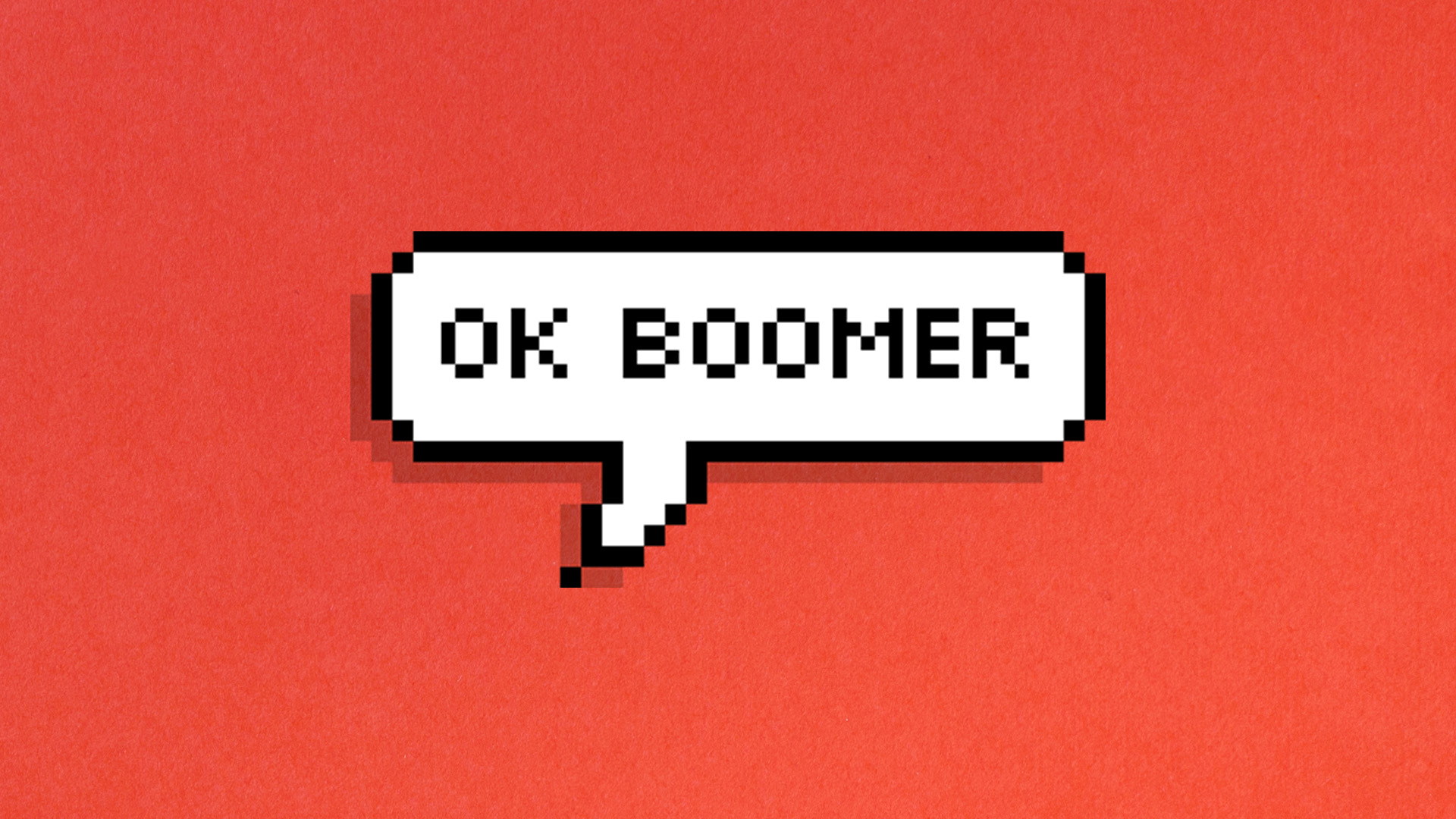





Millennials are not the silent type. After several years of being silenced and dismissed by older generations, it’s no surprise that this kind of phrase would come up and become viral. They are obviously fed up with resistance to change – in technology, ideas, and even gender inclusivity.

How the phrase “OK Boomer” went viral on the Internet
This phenomenon started on TikTok, an app considered as the successor of Vine.
It lets users create videos up to 15 seconds in which they can lip-sync, dance, and make sketches.
The videos show TikTok users lip-syncing to the song, which apparently, has the title “OK Boomer”. The videos were posted last month and with an app that’s already crowded, it’s no wonder that as simple as a phrase would come crashing on everyone’s timeline.
“OK Boomer” As The Younger Generations Ticket To Shutting Down Someone Older Who’s Close-Minded
Lot of boomers are upset that "ok boomer" is disrespectful.
That's the point.
We don't respect you.
— Matty Be Rad ? (@MattyBeRad) November 8, 2019
To clear out any misunderstandings, the term ‘boomer’ does not refer to those who were born after World War II. Although it’s short for ‘baby-boomer’, which was defined back in the ’60s, ‘boomer’ simply touches, not on a particular generation, but on older people in general— their beliefs, trends, values, and concerns.
The phrase ‘OK Boomer’ rather works as an insult or a response to an older person with outdated opinions and views, a sense of entitlement, and patronizing attitude towards younger generations.
Taking Sides On Twitter
After “OK Boomer” went viral, the public took to Twitter to express their thoughts about the phrase.
Some Twitter users think the phrase serves as the calling card for Gen Z, while the latter think otherwise.
I love how boomers getting upset over “ok boomer” is exactly why we say “ok boomer”
— Marguerite Alcazaren de Leon (@margie_deleon) November 8, 2019




