



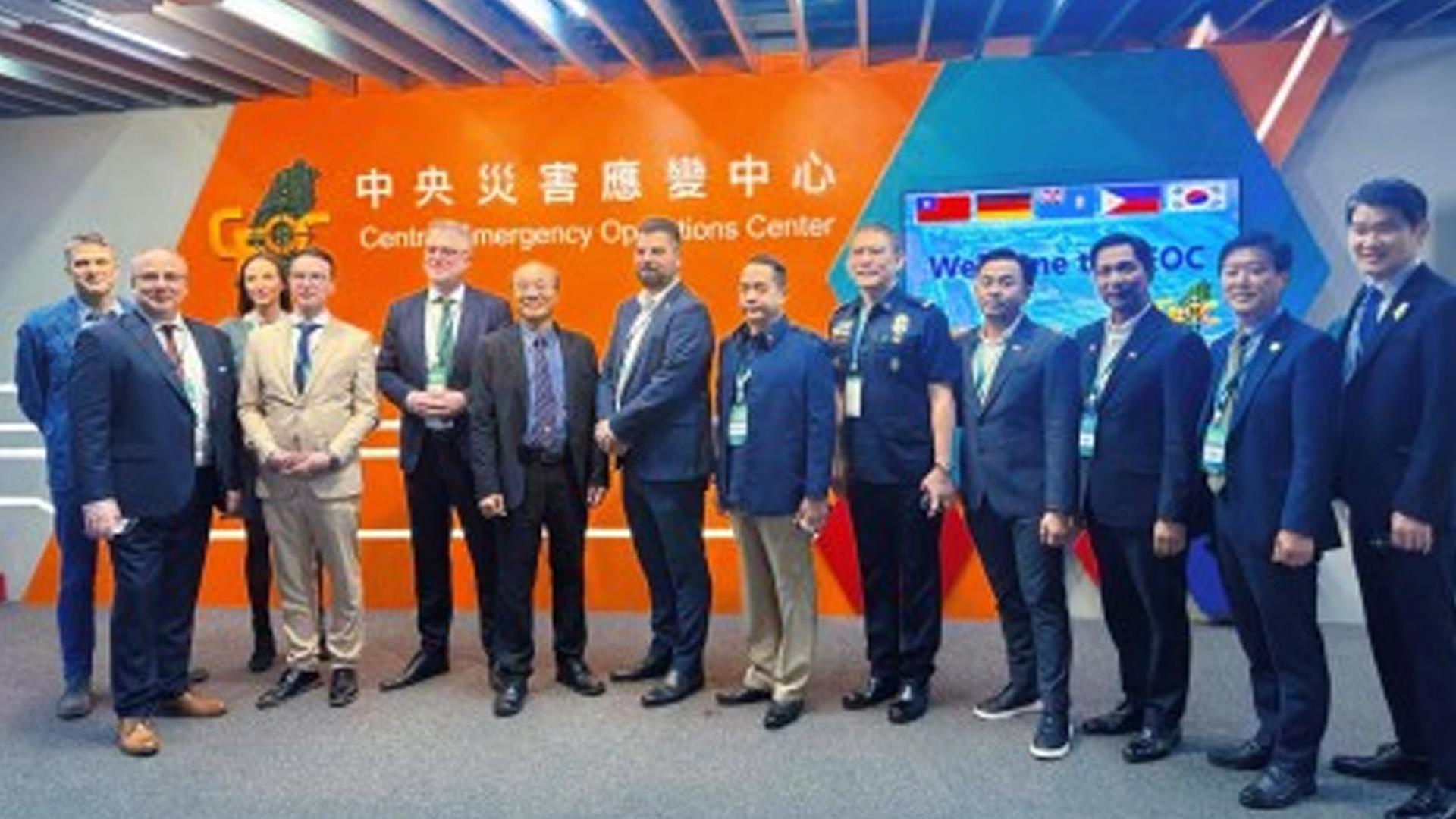






The Office of Civil Defense (OCD) emphasized the importance of strengthening civilian volunteerism to enhance the disaster and emergency response capabilities.
Speaking at the Global Cooperation and Training Framework (GCTF) workshop on Whole-of-Society Resilience Building, Preparation, and Response held in Taipei, Taiwan March 4 to 6, OCD chief Undersecretary Ariel Nepomuceno highlighted the critical role that civilian participation could play in enhancing the country’s disaster resilience.
“The main lesson from this workshop is the necessity of developing a robust civilian volunteer component, which acts as a vital force multiplier for our armed forces,” Nepomuceno said.
He cited successful models from Taiwan, Sweden and Germany, where extensive civilian participation significantly improved emergency response operations.
The workshop focused on a wide range of topics, including societal consensus for resilience, strengthening of civilian defense training and strategic distribution of critical supplies during emergencies.
A total of 264 participants, including 61 foreign delegates from 30 countries, engaged in discussions, according to the event website.
Representatives from multinational corporations likewise shared insights into resilience planning and emergency response strategies.
Nepomuceno stressed the need to fortify the Philippines’ civilian response capabilities, particularly through the National Service Reserve Corps as an alternative to the traditional Reserve Officers’ Training Corps program, saying that “by boosting civilian engagement, we can better prepare for a range of incidents that may arise.”
The workshop concluded with a site visit to the National Fire Agency Training Centre in Nantou, where participants engaged in practical exercises related to firefighting and disaster prevention.
During the visit, Nepomuceno also addressed the need for comprehensive preparedness for both natural and human-induced disasters.
“We must prepare not only for unforeseen events but also for human-induced calamities, such as CBRN — chemical, biological, radiological and nuclear incidents,” he said.
The OCD chief expressed his gratitude to the Taiwanese government and co-organizing countries, including the United States, Japan, Australia and Canada, for their support.
“The insights and experiences shared in this workshop will greatly benefit the Philippines as we strive to enhance our overall resilience,” he said. (PNA)


