



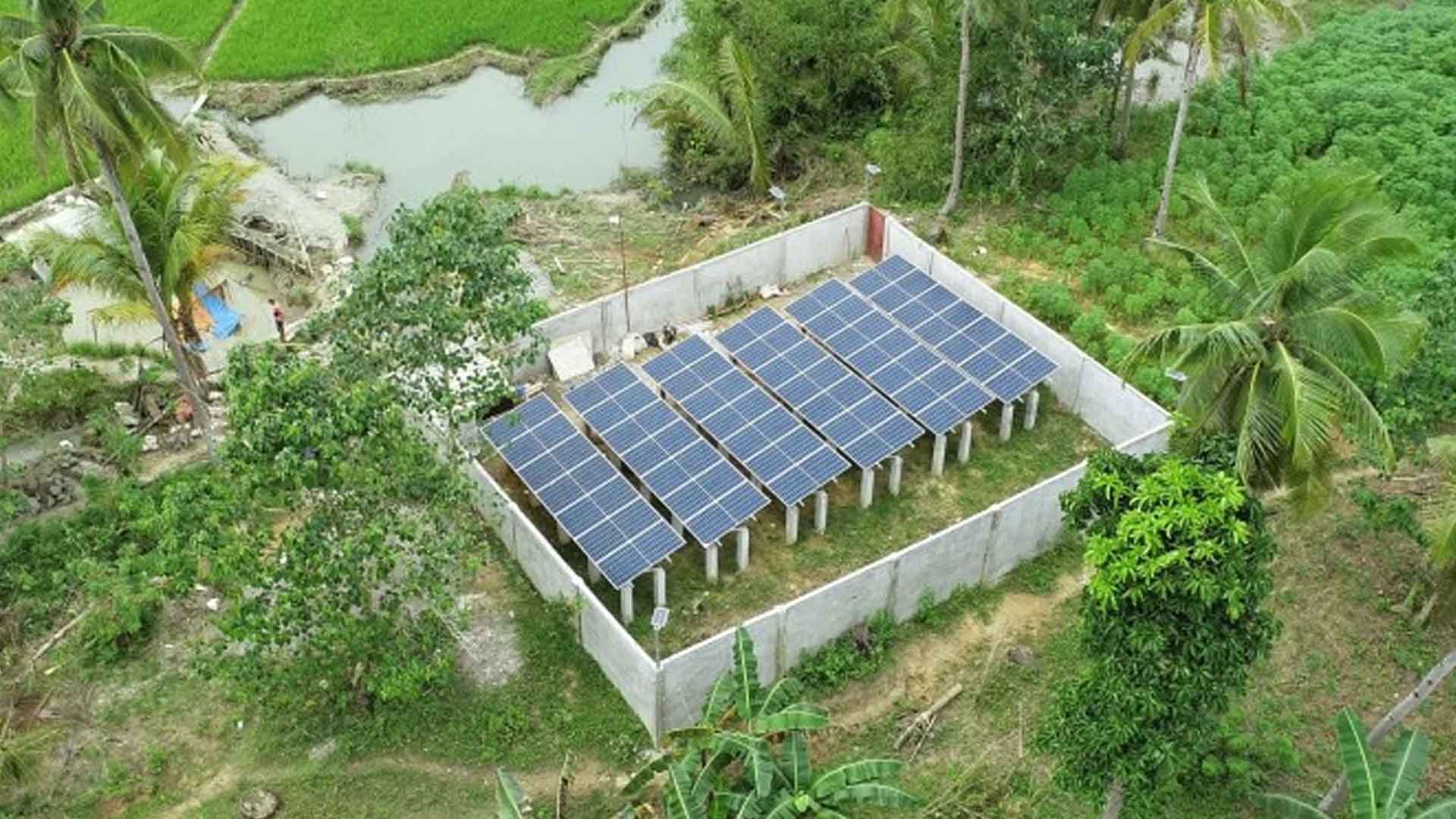






The National Irrigation Administration (NIA) is currently building four solar-powered irrigation systems (SPIS) in Leyte and Samar provinces in the bid to ensure sufficient water supply in rain-fed rice farm areas.
NIA Eastern Visayas Regional Manager Ruby Tuan Jr. said on Tuesday they are optimistic to complete these PHP40.6 million worth of projects within the year to curb the water shortage.
These four solar-powered irrigation projects are the Bahay small irrigation project (SIP) in San Miguel, Leyte; Camire communal irrigation system (CIS) in Tanauan, Leyte; Kan-ipa CIS in Baybay City, Leyte; and May-it Small Irrigation Project in Basey, Samar.
These projects, which started this year, seeks to supply irrigation to 275 hectares of farms in four areas, directly benefitting 177 farmers in the region.
The source is groundwater near rice plantations.
“These SPIS will enable to increase its cropping intensity by continuously providing timely and reliable irrigation water requirement, especially to the once-a-year cropping or rain-fed areas,” Tuan said in a phone interview.
NIA said SPIS is a cost-efficient and climate change adaptive technology with its advantages including the non-use of fuel, not affected by power interruptions, easy to operate, does not emit greenhouse gases, suitable for remote watershed and rain-fed areas, and requires minimal maintenance. (PNA)


