











The key to success in an online interaction is effective communication, and that’s where the term “netiquette” comes in. Netiquette (Internet etiquette) is a set of rules that encourages appropriate and courteous online behavior.
These rules are important as they promote communication skills, prevent miscommunications, and help you understand what is socially acceptable when working and collaborating online.
1. Be cautious with capitalization
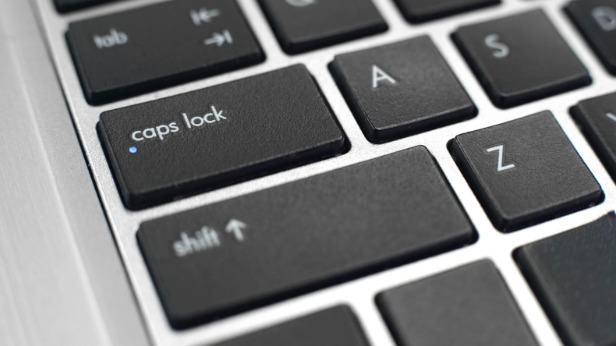
No yelling, please! Writing in all caps can be interpreted as yelling. It is important to take note of our typings. Typing in all uppercase is like shouting at them, so let us make sure that we are using the right capitalization and punctuation.
Striking a balance with capitalization helps convey your message appropriately. Avoid overusing uppercase letters to prevent misunderstandings and maintain a civil tone.
2. Set a respectful tone

Just as you use thank you, sorry, and please every time, make sure to use it online too. Proper netiquette means using proper greetings and signatures when talking to people.
Politeness online helps create a positive and respectful environment. Simple gestures can make your online interactions more pleasant for everyone involved.
3. Think before you type, think before you click
Of course, in every online interaction, it is important to think carefully before we type and click that send button. If you are not a hundred percent sure what you are about to say, think about it first before typing your sentence to avoid misunderstandings.
This ensures that your messages are clear and considerate. Taking a moment to reflect can prevent unintentional conflicts and maintain a positive online atmosphere. So, before you hit send, consider the impact of your words and ensure they align with your intended message.
4. Be kind and professional
Regardless of the setting, whether it’s online communication or face-to-face interactions, the golden rule remains consistent: always prioritize kindness and professionalism.
Exercising kindness and professionalism is important to maintain a healthy relationship with others.
5. Acknowledge and respond to messages
Responding promptly shows that you value the exchange and are attentive to the conversation. Whether it’s an email, message, or comment, acknowledging communication promptly demonstrates respect for others’ time and fosters healthy online relationships.
Timely responses contribute to effective communication and build trust among online peers. Being prompt in acknowledging and responding to messages reflects a commitment to maintaining a positive and responsive online presence.
6. Respect privacy and confidentiality
Online interactions often involve sharing personal information. Respecting the privacy of others and refraining from sharing sensitive details without permission are crucial aspects of netiquette.
Think carefully before disclosing or forwarding private messages.
Behind every message is a person, and our online actions influence the tone of our virtual interactions. So, as we navigate the vast landscape of the internet, let’s carry the torch of good netiquette for meaningful and harmonious online relationships.


