



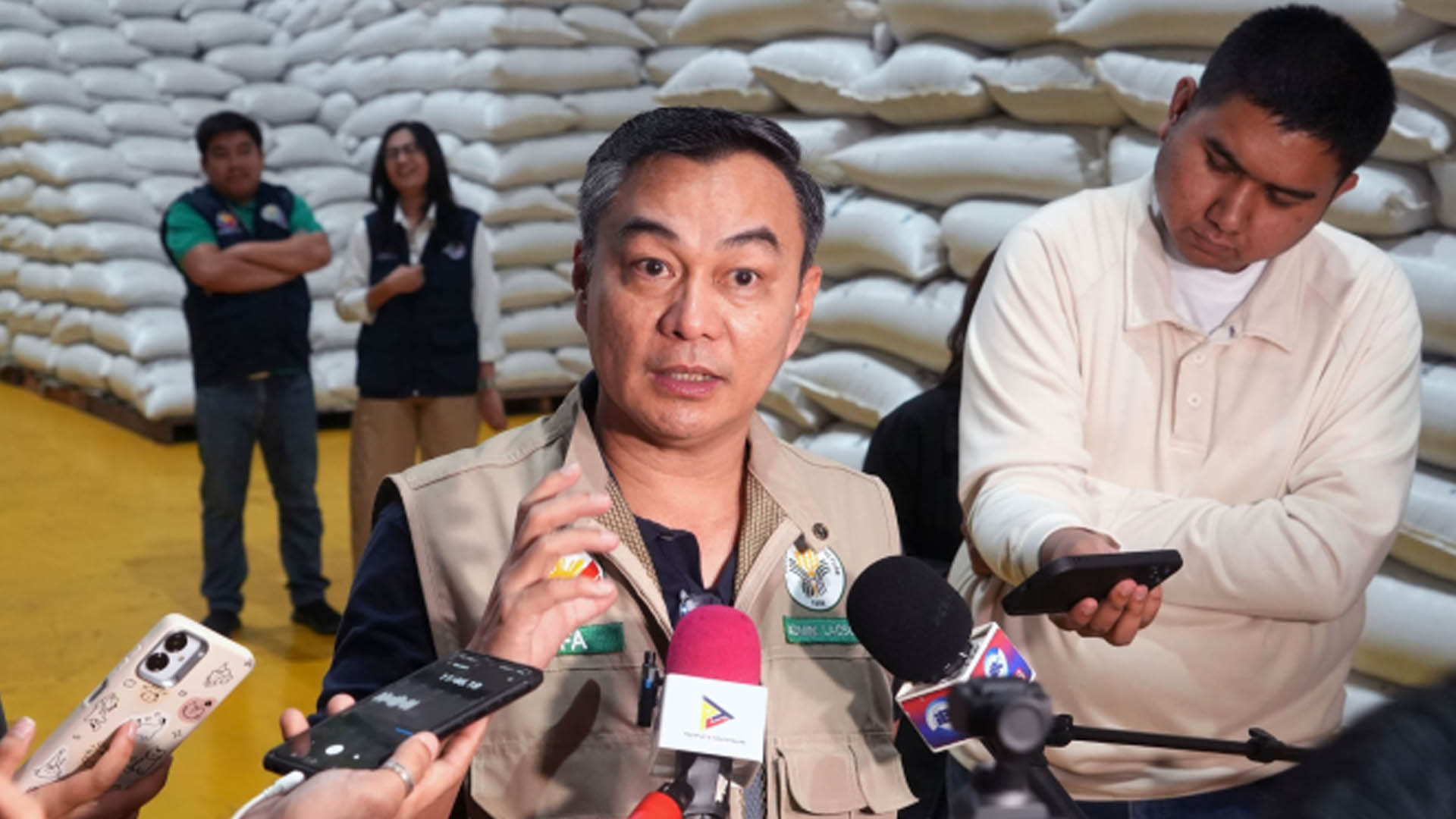






More Filipino rice farmers are expected to benefit as the National Food Authority (NFA) eased its requirements for palay (unhusked rice) procurement following a public consultation with local farmers, millers, field officials, and other stakeholders on Feb. 23.
In a phone interview on Thursday, NFA Administrator Larry Lacson said the eased standards would allow the NFA to procure more palay and provide local farmers with higher income.
Lacson said this is in line with the directive of President Ferdinand R. Marcos Jr. to support local farmers as the country approaches the peak harvest for the dry season next month.
“Sabi nila, ‘Bakit naman ang higpit-higpit ng requirements ni NFA?’ So, ito ‘yung tugon, ginawan natin ng pagbabago para mas maging acceptable yung maraming palay (They asked, ‘Why are NFA’s requirements so rigid?’ This is our response. We made changes to ensure that more palay would be acceptable),” he told the Philippine News Agency.
The NFA recalibrated its acceptable moisture content from the current 12 percent to 14 percent, to a minimum of 11 percent for clean and dry palay.
The acceptable moisture content for fresh and wet palay, meanwhile, is at 22 percent to 29.9 percent.
Lacson said the moisture content refers to the weight of water within the palay grains, and the current benchmark often leads to rejected or delayed palay deliveries from local farmers.
“May corresponding increase ‘yung (presyo) ng ibang category ng palay dahil sa bagong sistema… Lesser ang mare-reject sa mga magsasaka (There will be a corresponding increase in price for the other palay categories because of the new system… There will be less rejected palay from farmers),” he said.
The NFA currently buys clean and dry palay for PHP21 per kg., and PHP17 per kg. for fresh and wet palay.
Lacson, however, explained that the new standard will use a “graduated” table with a corresponding price reduction, depending on the weight of wet palay, particularly in NFA warehouses with dryers.
“Imagine the hassle na babalik pa ang magsasaka, patutuyuin pa tapos ibebenta. So, iyon ‘yung sinolve natin. Ngayon, hindi na siya pauuwin. Kunwari, 14.5 percent, bawasan na lang weight, ‘yung 0.5 percent, ibawas lang. So, hindi siya PHP17 – probably magiging PHP20 or PHP19.50. Mayroon tayong table na susundan (Imagine the hassle if the farmer needs to go back to dry the palay first, and then sell it again. That is what we solved. Now, they don’t need to go home. For instance, the moisture content is 14.5 percent, so just reduce the weight, the 0.5 percent. It will not be PHP17 per kg., probably it will be PHP20 or PHP19.50. We have a table to refer to),” he said.
“Mas magkakaroon sila ng additional na kita kung ikukumpara mo sa current system namin ngayon (they have additional income compared to the current system).”
Besides a more flexible moisture content requirement, the NFA also relaxed its pest standards.
Lacson said they will now allow the purchase of palay that is “visibly-free” from pests.
“Meaning kapag may makita na talagang negligible naman, isa o dalawang piraso e pwede na ring tanggapin, hindi (If it is negligible, one or two pieces, that would be acceptable. It will no longer be an) outright rejection.”
Meanwhile, Agriculture Secretary Francisco Tiu Laurel Jr. said the NFA’s procurement changes align with the food security targets of the Marcos administration.
“President Ferdinand Marcos Jr. has been clear. We want farmers to be profitable, not perpetually vulnerable to price swings. A food-secure Philippines starts with farmers who earn fairly from their harvest,” he said in a statement. (PNA)


