



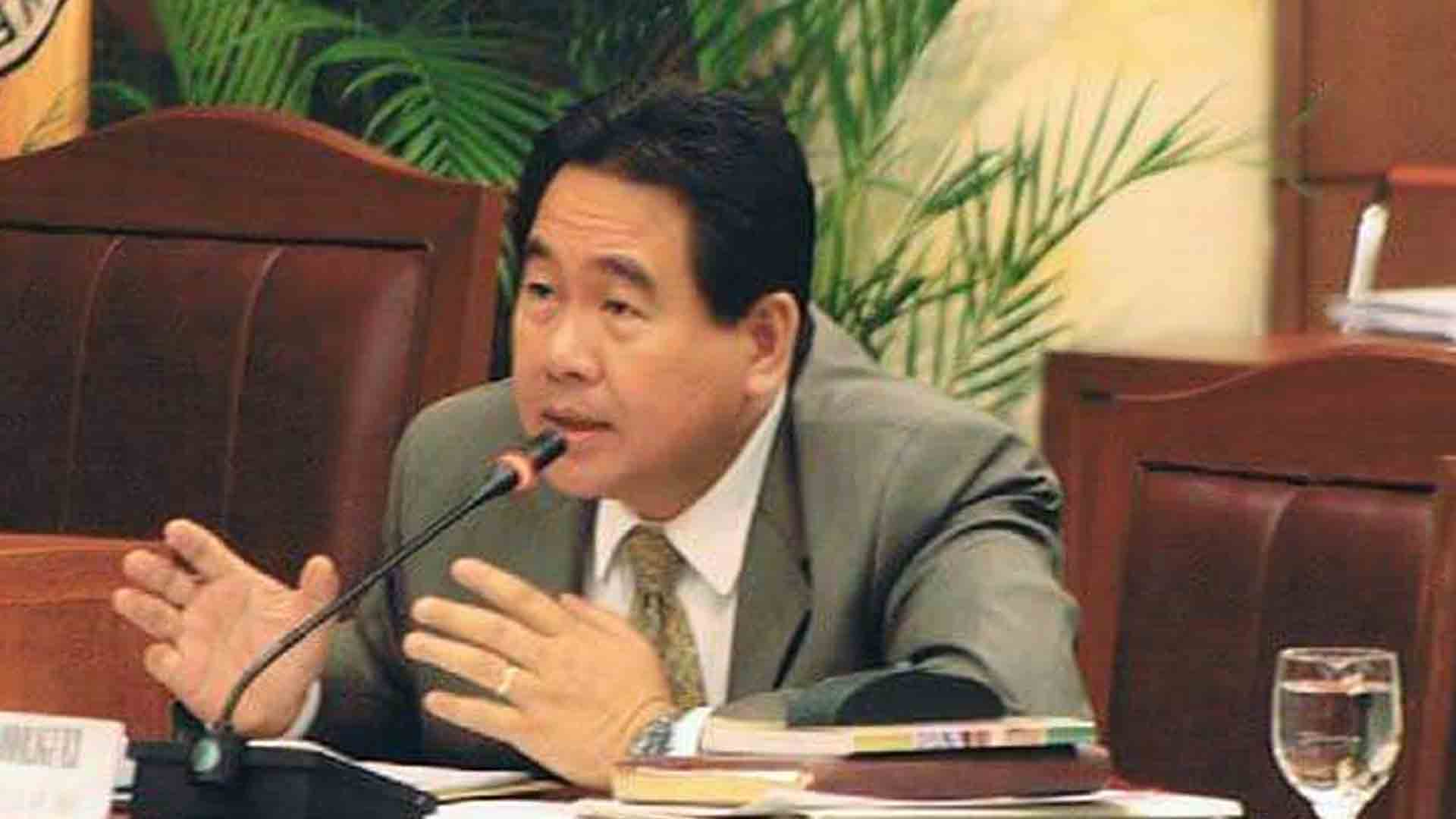






A lawmaker said Wednesday the law mandating a medical scholarship and return service program would result in having doctors in remote towns in the country.
House of Representatives Deputy Speaker Rufus Rodriguez, one of the authors of the law, said the program is the answer to the problem of students from poor families who want to take a doctor of medicine course but cannot afford its high cost.
“We are hoping that Republic Act No. 11509, which President (Rodrigo) Duterte signed last December 23, will entice poor students in the provinces to pursue medical education through the program and eventually serve their community,” Rodriguez said. “It is also the answer to our lack of doctors in remote areas in the provinces, where many of the sick die without being attended to by a physician.”
Under the law, each town in the country should have at least one qualified applicant in the medical scholarship and return service program.
In case there is no qualified student from a particular town, its slot may be given to an applicant from a nearby municipality.
After completing his medical course and passing the licensure examination, the new doctor-program beneficiary is required to render service in his town for one year for every year of his doctor of medicine degree.
He said all towns, however remote, would have at least one doctor through the new law.
The doctors will serve in government hospitals or health facilities and hold positions and receive compensation commensurate to their education, Rodriguez said, adding that program beneficiaries who do not want to comply with the return service requirement would have to reimburse the government twice the amount that it spent for their medical education.
The program offers full financial assistance to qualified students.
Aside from tuition and other school fees, it covers expenses for allowance for prescribed books, supplies and equipment, clothing or uniform, dormitory or boarding house accommodation, transportation, internship fees, medical review fees, licensure fees, other related miscellaneous living or subsistence expenses, and annual medical insurance.
Qualified applicants are to take their course in a state university or college or an accredited private learning institution. (PNA)


