



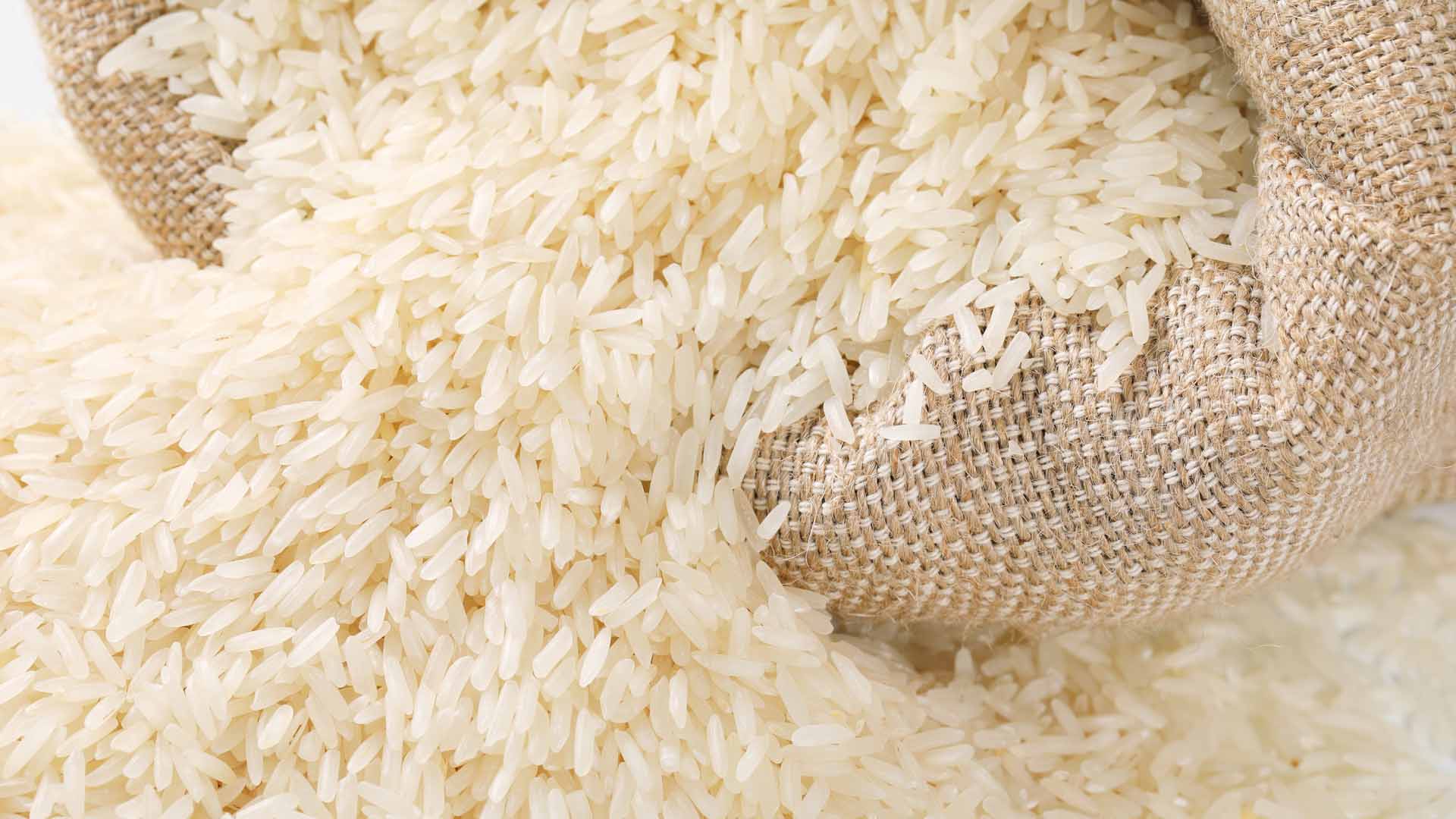






The average price of regular milled rice has slid to its lowest since 2013 after implementation of the Rice Tariffication Law, National Economic and Development Authority (NEDA) Assistant Secretary Mercy Sombilla said on Tuesday.
Sombilla said the average retail price of regular milled rice has gone down to PHP36.33 per kilo in January 2020, which is PHP4.40 lower compared to the same month last year.
“This price level has also been the lowest since 2013,” she said during the weekly economic briefing in Malacañang, noting that average retail price continued to increase over time until January 2020.
She said the NEDA also observed greater market segmentation in rice as more provinces are now selling at a price ranging from PHP24 to PHP36 per kilo which is significantly lower compared to last year’s PHP37 to PHP44 per kilo.
“Clearly, this shows that the law not only made rice cheaper for consumers, but also gave them more options on type of rice they would purchase,” she said.
Sombilla said she was hopeful to see a much lower average retail prices in the near future ranging from PHP34 to PHP35 per kilo.
With the decline in prices of rice, Sombilla said rice inflation rate has also gone down.
“The low inflation rate is not only beneficial to the consumers but also to the economy as a whole as it encourages people to invest or spend which would then fuel overall growth of the economy,” she said.
On the other hand, Trade Secretary Ramon Lopez said prices of National Food Authority (NFA) rice have dropped to as low as PHP27 per kilo.
Lopez said a year after the law’s implementation, rice inflation rate dropped to negative 9.7 percent.
Farmers’ gains
As the rice prices have gone down to its lowest in six years, palay (rice grain) prices have also slipped, putting farmers at the disadvantage.
However, Agriculture Secretary William Dar said the law, which created the Rice Competitive Enhancement Fund (RCEF), has helped enhance farmers’ productivity and competitiveness through mechanization, seed distribution and credit extension services.
Dar explained that the law is designed to help the farmers’ lower production but at the same time increase their farm income.
As of February 21, Dar said a total of 156,033 rice farmers have received PHP15,000 worth of loan assistance per farmer with zero interest and payable in eight years.
Dar also denied the Federation of Free Farmers’ claims that farmers incurred losses amounting PHP68 billion due to lower prices of the grain during the law’s first year of implementation in 2019.
He said there were several government efforts in place to assist farmers such as PHP2.5-billion Survival and Recovery Assistance (SURE) aid, the PHP3-billion unconditional cash assistance, and the PHP10-billion RCEF which should also be taken into consideration.
Last year, around PHP12.3 billion worth of tariffs were collected from the implementation of the law. From January to February 14 this year, he said PHP1.7 billion tariff has been collected.
Enacted in 2019, the Rice Tariffication Law (Republic Act 11203) lifted existing quantitative import restrictions on rice to make the domestic rice industry more competitive. (PNA)


