



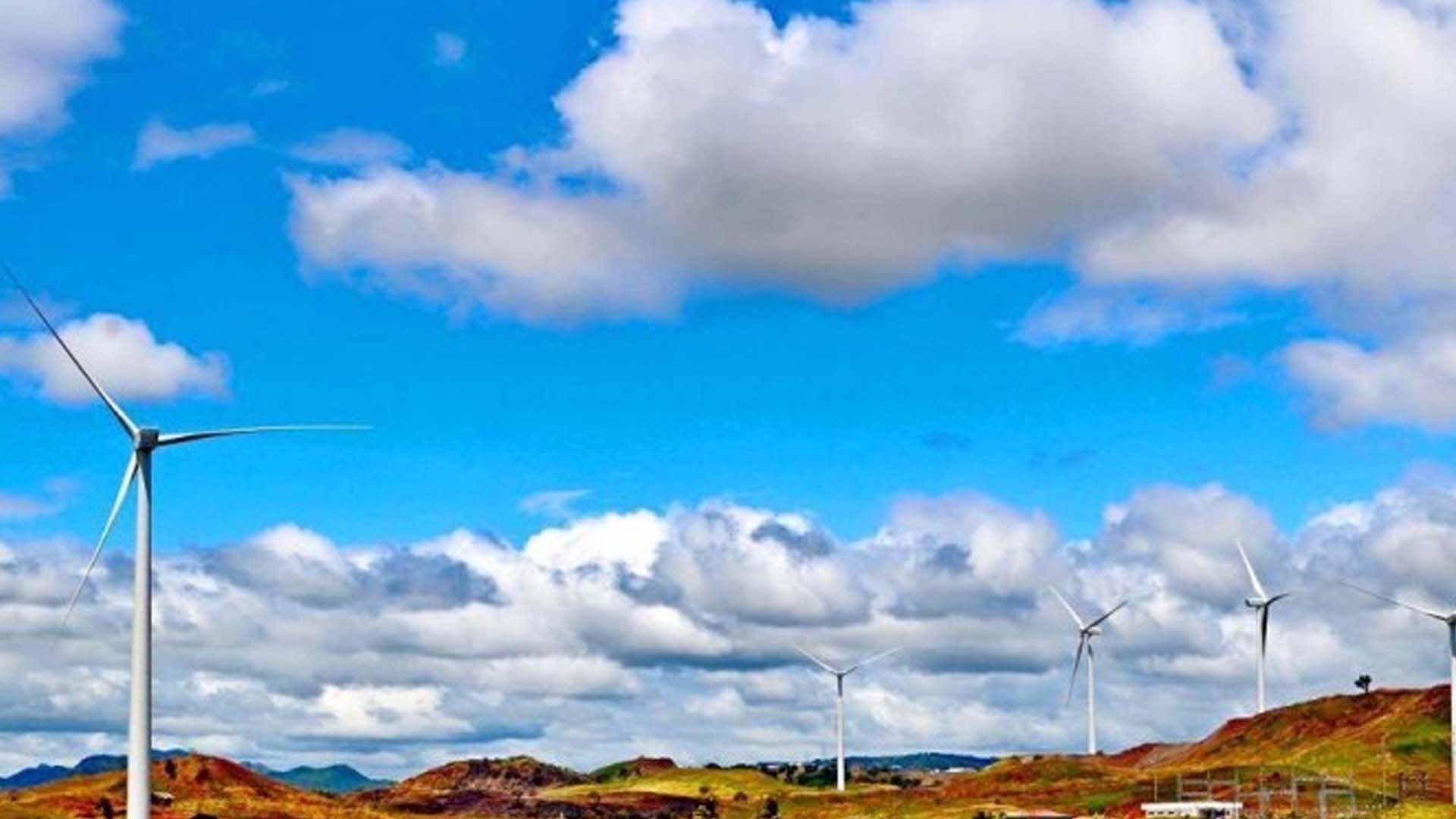






Presidential aspirant Francisco ‘Isko Moreno’ Domagoso said he will push for the use of safer and cheaper renewable energy, and other sources of energy such as gas or coal, in the country.
During his campaign trail in Pilar, Bataan on Wednesday, Domagoso said the country could draw inspiration from The Netherlands that generates its power mostly from renewable sources.
“They are resorting to renewable energy through open space via potable type pero ang ginawa nila agri-potable type source of energy. So, nakaimbento na sila ng way na patuloy pa rin silang magtatanim ng mga pagkain at kung saan tinatanim yung pagkain meron din source na pwede pagkunan ng (but what they did was agri-potable type source of energy. They have invented a way wherein they can continue to grow crops which can also be a source of) clean, renewable energy,” he explained.
He added that he is not convinced about reopening the Bataan Nuclear Powel Plant (BNPP) located in Morong, Bataan due to safety and environmental risks concern.
“Sa ngayon maraming other sources of energy — renewable, gas, or coal. Hangga’t mayrong teknolohiya at etong mga teknolohiyang eto na available and cost much less. I’m not saying it’s not harmful, but less ang masamang epekto sa kapaligiran. Yun muna ang ipaprayoridad ko (Right now there are many other sources of energy, renewable, gas, or coal. Until we have the technology, and these technologies are available and will cost less. I’m not saying it’s not harmful, but it will have lesser bad effects on the environment, I will prioritize that) especially if there is an opportunity to copy what the Netherlands did,” he said.
According to the website trade.gov, the current energy mix in the Netherlands is natural gas accounting for 38 percent, oil at 35 percent, coal at 11 percent, biofuels and waste at 5 percent, and 11 percent from nuclear, wind, solar, hydropower and geothermal.
“The Netherlands was until recently, ranked 27th out of 27 EU countries in the production of energy from renewable sources. However, according to Statistics Netherlands, renewable energy consumption accounted for 11.1 percent of total Dutch energy consumption in 2020. This was up from 8.8 percent in 2019. The increase was largely due to rising solar and wind power capacity. Consumption of biomass was up as well, particularly co-firing at coal-fired power plants,” the website published.
Domagoso said these are the things that can be duplicated in the country based on the available technologies.
He added that until there are other options, the use of nuclear energy should be considered by the government.
“For the meantime itong Bataan Nuclear Power Plant ay hindi naman na ‘to safe para sa ating mga kababayan dito sa Bataan (this BNPP is no longer safe for our people living here in Bataan),” he said.
The BNPP, the country’s first and only nuclear power plant project, began its construction in 1976 on a 3.57-square kilometer government reservation at Napot Point in Morong, Bataan.
It was completed in 1984.
However, safety concerns in the wake of the Chernobyl disaster in Ukraine in 1986 and corruption allegations led to its mothballing. (PNA)


