





It’s not new that people encounter the term “cancel culture.” Over the years, it has become one of the most talked-about and controversial practices in today’s digital landscape.
In an era where technology continues to evolve and social media dominates daily life, a single tweet, video, or post can go viral in seconds. The internet has given people the power to voice their opinions instantly—whether constructive or harmful. And in this environment, cancel culture has found fertile ground.
Today, many people—particularly younger individuals—are quick to call out behaviors they find offensive, insensitive, or unjust. Cancel culture has emerged as a tool to demand accountability, especially from public figures, influencers, celebrities, and even brands. Whether in mainstream media or online platforms, no one seems immune from public scrutiny.
But while cancel culture may have started with the intention of holding people accountable, it raises an important question: Is it still serving that purpose? Or has it begun to do more harm than good—especially to the emotional and mental well-being of those involved?
Cancel culture originally aimed to address injustice, giving ordinary individuals a voice to speak out against wrongdoing. It brought attention to long-ignored issues and helped call out behaviors that needed to be challenged. Without this kind of cultural shift, some harmful acts might have remained unaddressed.
However, canceling someone can sometimes go beyond accountability. A person can be “canceled” for a single mistake, an old comment taken out of context, or a misunderstood post—leaving little room for learning, dialogue, or growth. In many instances, what starts as a valid callout ends in public shaming.
This atmosphere has created a culture of fear. People are becoming more hesitant to speak or post freely—not just out of respect, but out of anxiety about being misunderstood and publicly criticized.
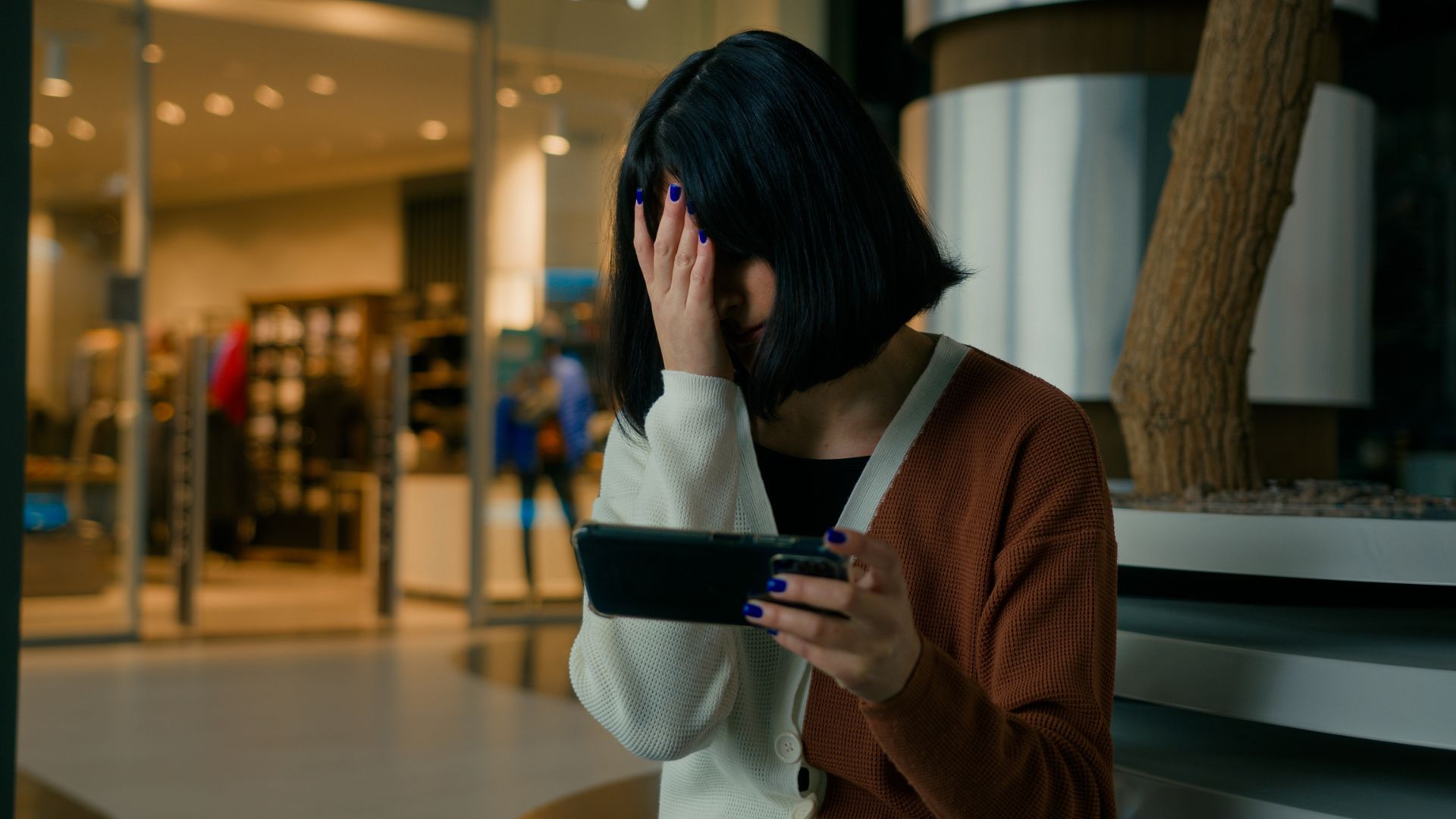
Behind every screen is a real person. When someone is “canceled,” especially in a public and relentless way, the emotional impact can be devastating. Some experience anxiety, depression, and loss of opportunities. Others are left with a digital reputation that’s difficult to rebuild.
Even among young people, the pressure to always be politically correct or morally flawless can become overwhelming. One wrong move—intentional or not—can lead to serious backlash. Instead of encouraging healthy conversations and growth, cancel culture sometimes silences people altogether.
This isn’t to say that people should get a free pass when they hurt others. Accountability is still important. But maybe it’s time to reflect on how cancel culture is being used.
Can we shift from canceling to educating? From shame to empathy? People learn from their mistakes when they’re given the chance to understand and grow—not when they are immediately cast aside.
As cancel culture continues to evolve, we all have a role to play in how it shapes our communities—online and off. Let’s make sure it becomes a space for meaningful change, not just for punishment.


