

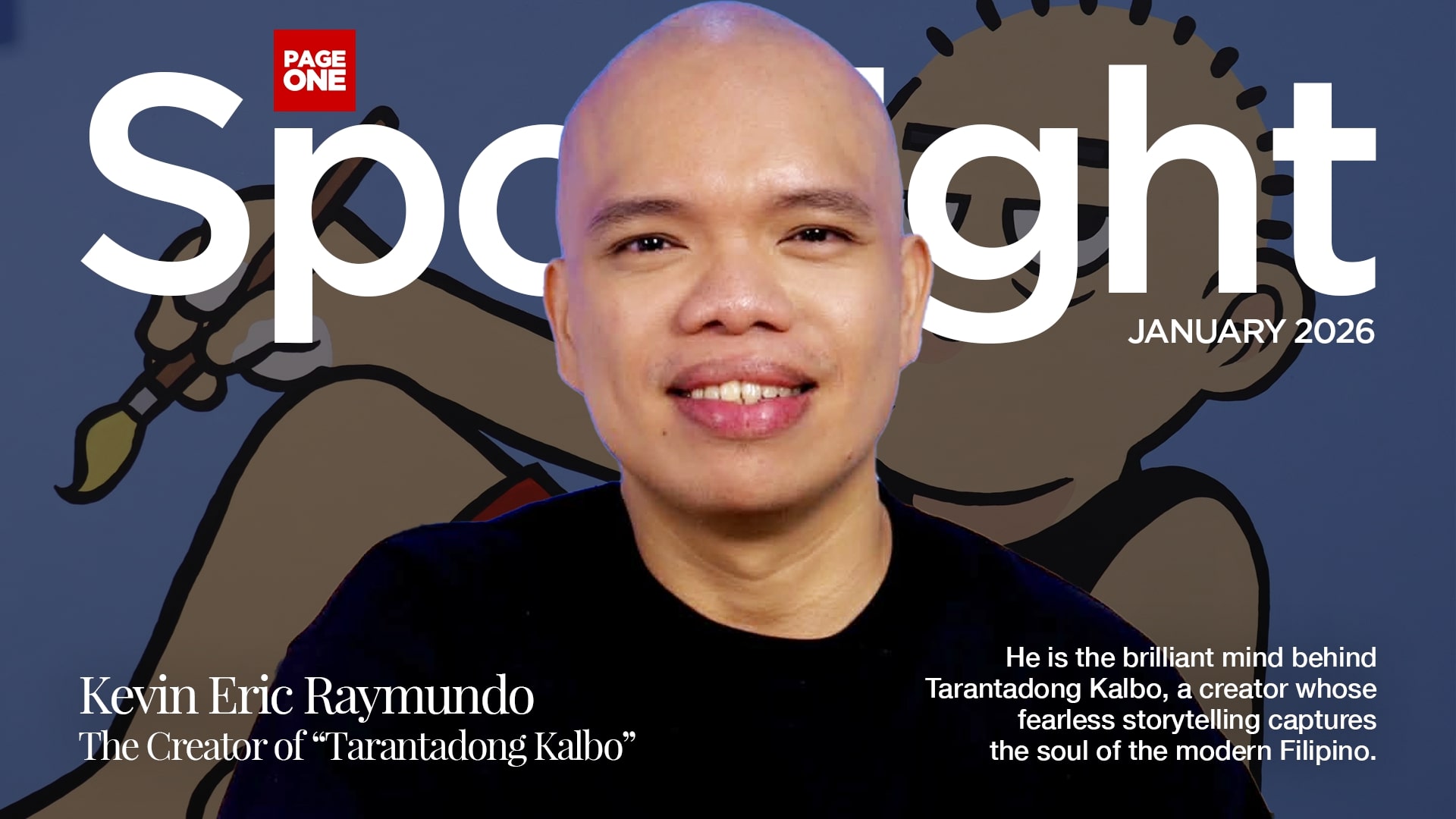






Before Tarantadong Kalbo became a rallying cry, before its bald avatar cut through timelines with a few stark lines and unflinching truths, it was, by its creator’s own admission, a joke.
Kevin Eric Raymundo never set out to build a brand, much less an influential platform that would help shape conversations on politics, culture, and collective action. The name “Tarantadong Kalbo” emerged organically from his inner circle, a teasing moniker that blended affection with audacity. It sounded abrasive to outsiders, but to those who knew him, it captured something essential: a brash honesty, a refusal to soften edges for comfort, and a willingness to be a little ridiculous if it meant being real.
“When I started this page, I wasn’t looking for a brand strategy,” Raymundo shares. “I just wanted a name that was funny and easy to remember.” The challenge was almost mischievous in nature. Could people take a name this absurd seriously? The answer, time would prove, was a resounding yes.
From the beginning, Tarantadong Kalbo carried an intentional tension between humor and critique, simplicity and weight. It was a persona that disarmed audiences before confronting them, lowering defenses with wit before delivering something far more pointed. That balance would later become one of the page’s defining strengths.
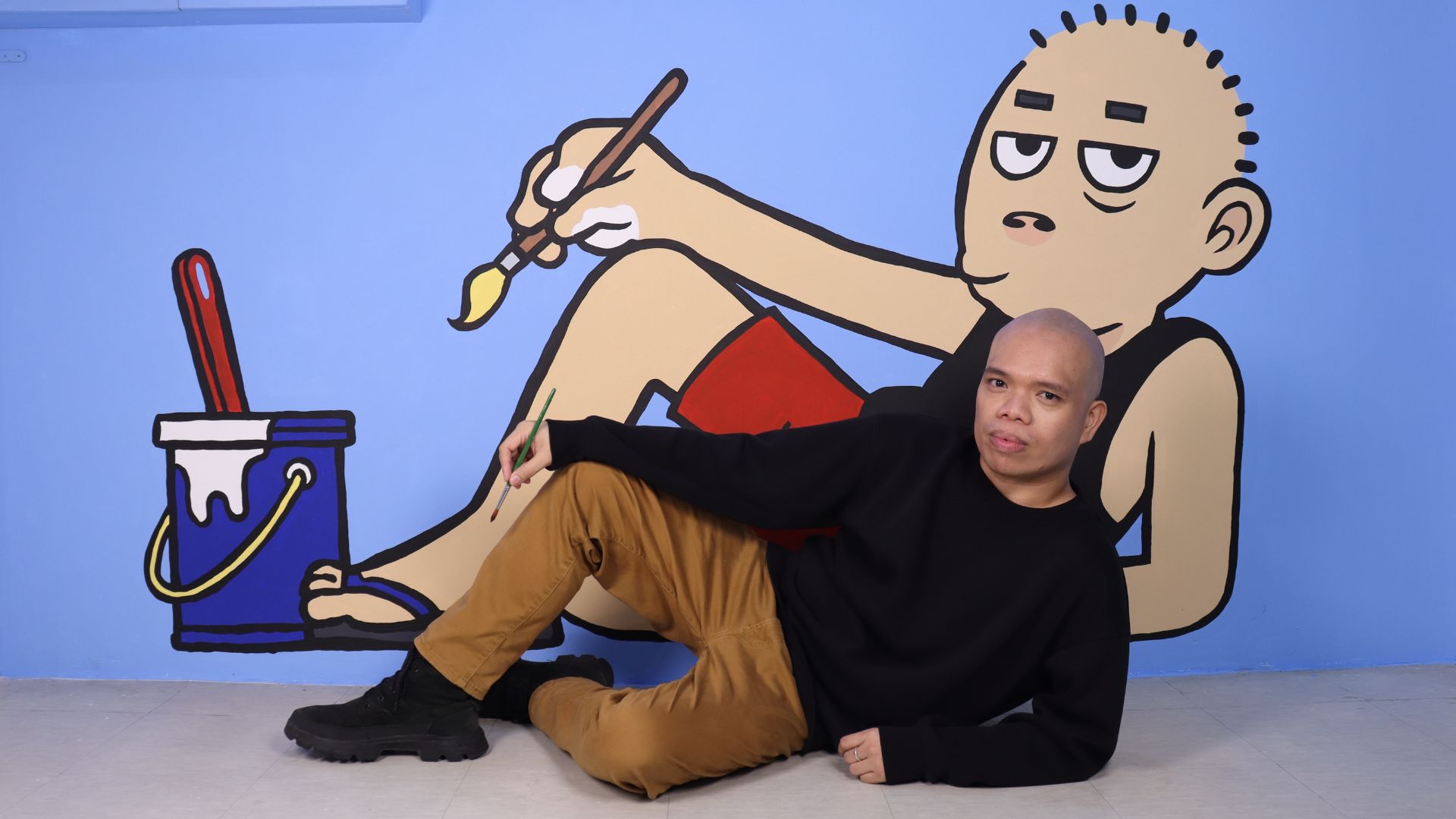
In its early days, however, Tarantadong Kalbo was not just about expression. It was also about protection.
As an introvert, Raymundo valued privacy deeply. Anonymity offered a sense of control, a way to create freely without surrendering his personal sanctuary. But the internet has a way of punishing distance. As his work gained traction, anonymity did not shield him. It made him a target. Trolls and threats of doxxing turned the act of hiding into a constant source of anxiety.
“The stress of hiding became heavier than the fear of being seen,” he recalls.
Choosing to step into the light was not an act of vanity, but one of self-preservation. By revealing himself on his own terms, Raymundo reclaimed the agency. Visibility became a form of resistance, stripping others of the power to weaponize his identity. It was a sacrifice, but one he made for peace of mind, a recurring theme in both his personal journey and his work.
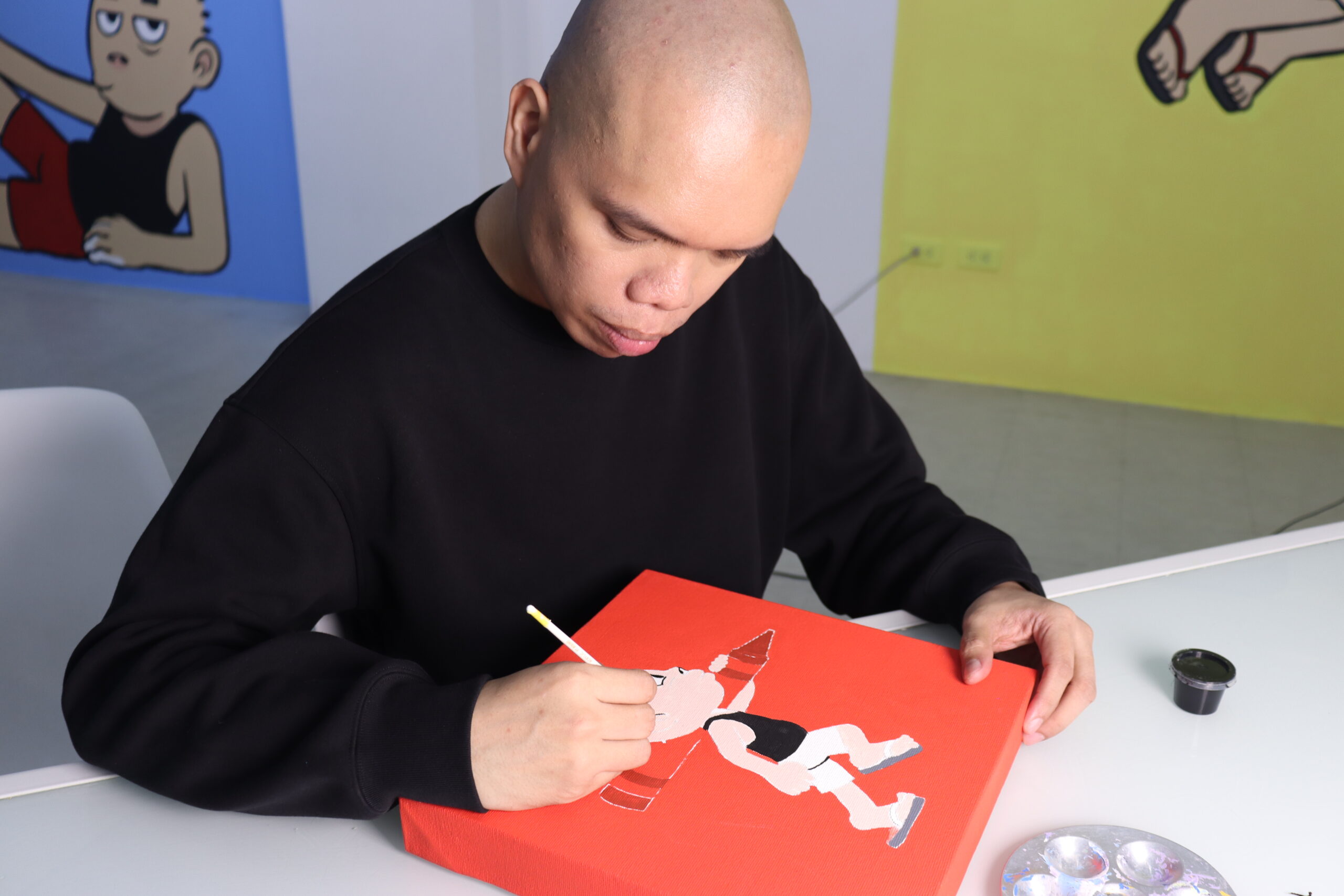
Long before Tarantadong Kalbo found its visual language, Raymundo had already spent over a decade mastering the mechanics of storytelling. His 16-year career as a freelance animator trained him to think with precision. Every frame had to be intentional. Every pause had to matter. Animation taught him that storytelling is not about excess. It is about control.
“I’ve learned that visual storytelling is a science of its own,” he explains. In animation, the eye must be guided deliberately. The same discipline applies to his comics, even within the constraints of a static image. Each panel is composed with purpose, each detail chosen or omitted to heighten emotional impact.
Perhaps most crucially, Raymundo carried over animation’s respect for silence. In motion, a pause can make a character feel human. In his comics, that same pause exists in white space, in stillness, and in what is left unsaid. The result is work that breathes, minimalist in form, but expansive in meaning.
For a time, Tarantadong Kalbo lived comfortably in humor and nostalgia, reflecting daily life with a knowing wink. But the world changed, and so did the work. The shift was gradual, until it was not.
The turning point came with Tumindig.
What began as a single illustration evolved into a phenomenon. Without instructions or orchestration, artists across the country responded, creating their own avatars and transforming one image into a collective statement almost instantaneously. It was a moment that startled even its creator.
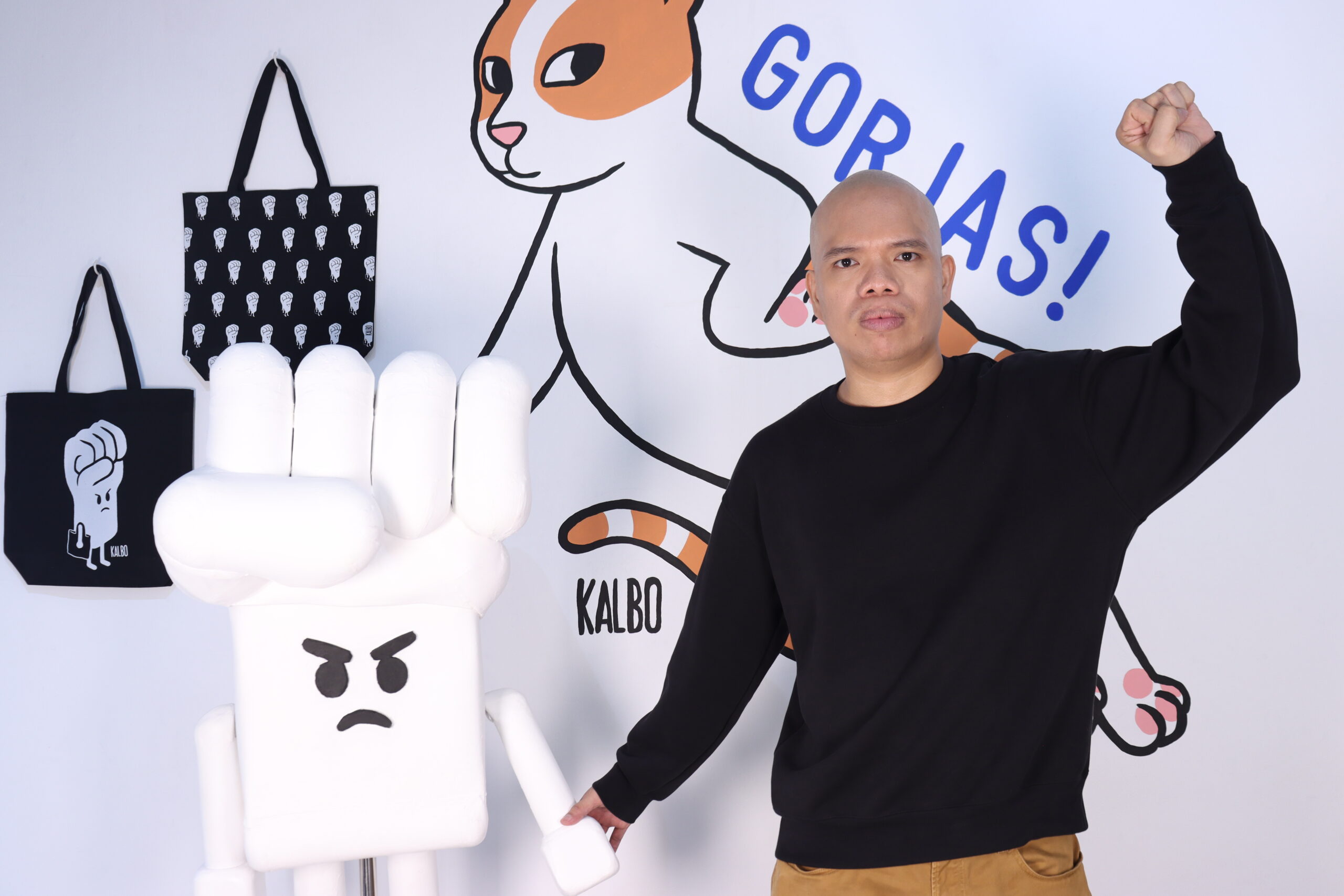
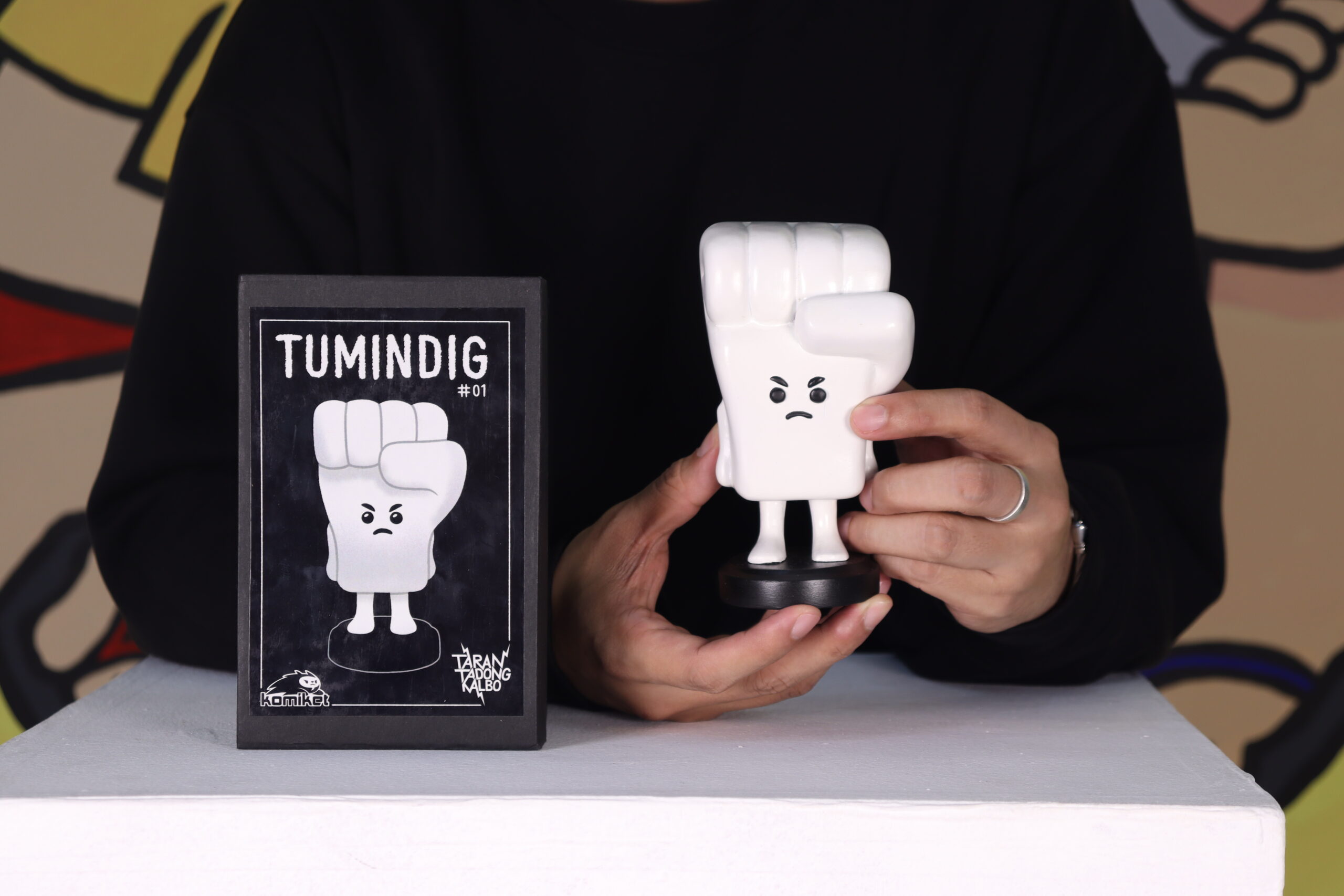
“I realized my work had moved beyond mere humor or entertainment,” Raymundo says. The response was deeply moving and deeply sobering. To encounter people who spoke of the piece through tears was to confront the true weight of influence. What once felt like personal expression had become shared language.
Influence, he learned, is not light. It demands care, restraint, and responsibility. A few lines and a clear message, when placed at the right moment, can ripple outward in ways impossible to predict.
As Tarantadong Kalbo grew into a vehicle for social critique, the line between creator and creation all but disappeared. Raymundo does not separate his personal life from his work. He treats his art as a diary. The jokes, the anger, the nostalgia, and the outrage are all rooted in lived experience.
The pandemic sharpened this instinct. Faced with widespread injustice and government failure, he felt compelled to use his platform not just to observe, but to speak. Vulnerability became a choice, one he embraced despite warnings that openness could be mistaken for weakness.
“Raw honesty is exactly what resonates,” he insists. Audiences, he believes, can tell when art is manufactured for engagement and when it comes from genuine care.
Tarantadong Kalbo, then, is not a mask. It is not a carefully curated persona. It is Kevin Eric Raymundo, distilled, stripped of ornamentation, and reduced to essentials.
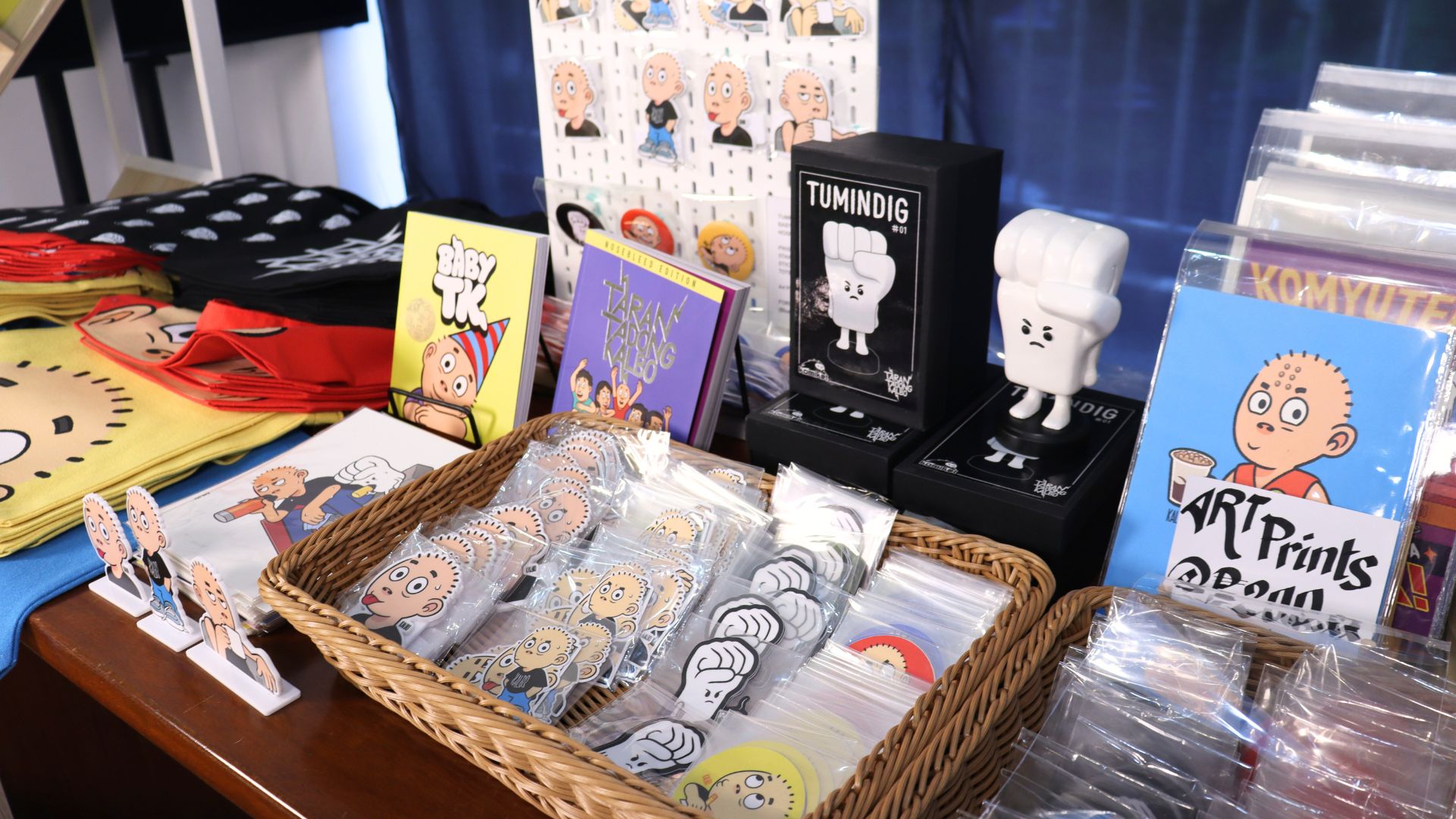
In a digital world often crowded by noise, Tarantadong Kalbo proves that simplicity, when paired with clarity and conviction, can carry extraordinary power. And in its origins, we see not just the birth of a name, but the formation of a voice that chose honesty over comfort, meaning over spectacle, and responsibility over retreat.


