



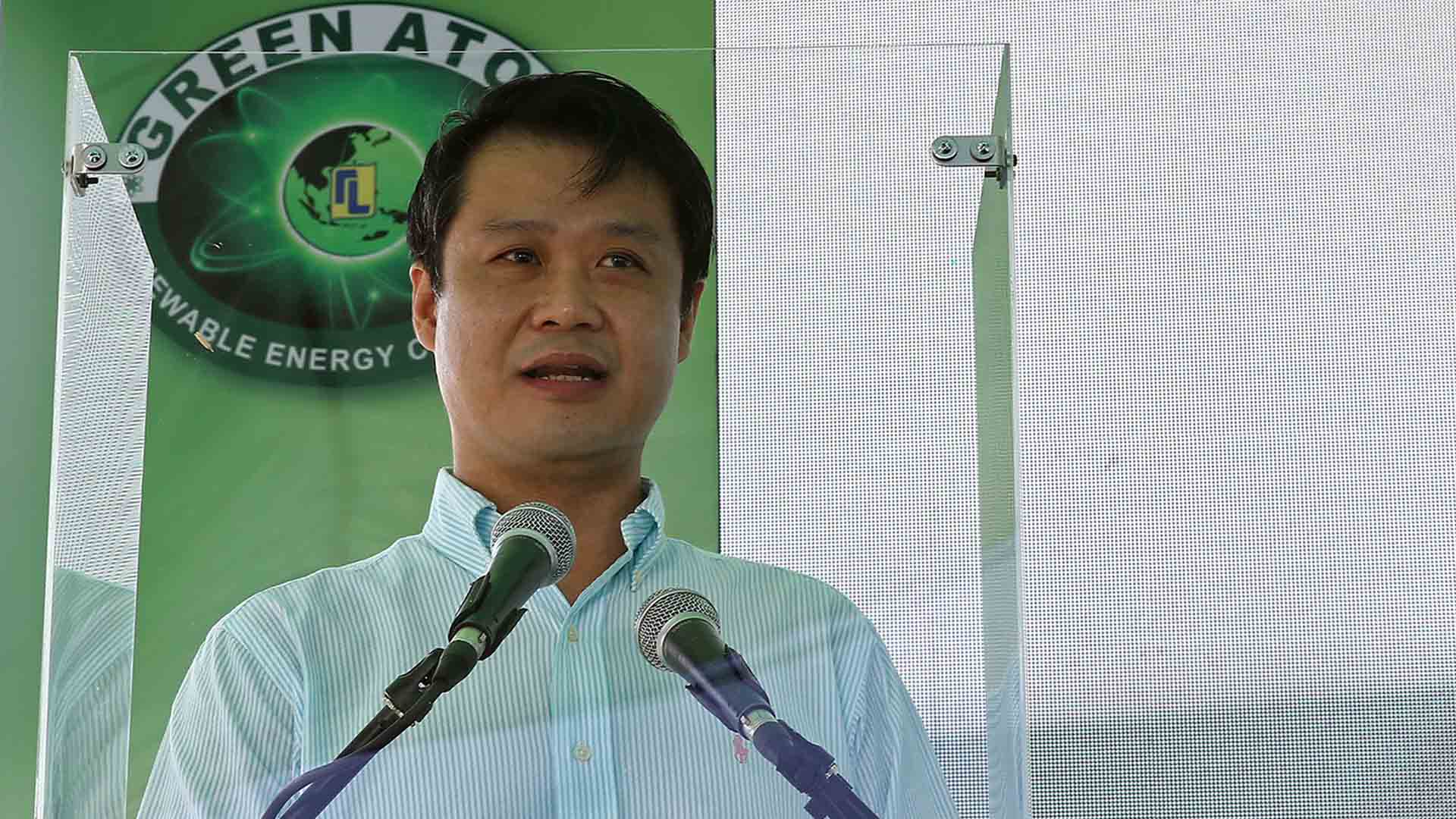






The accumulation of household wastes as a result of the lockdowns, including medical wastes, has given rise to the need for proper waste management and other solid waste management treatment facilities to include waste-to-energy (WTE) facilities as an appropriate waste management strategy, said Senator Win Gatchalian, adding that the Department of Health (DOH) requires medical wastes to undergo waste treatment before being hauled to disposal facilities.
“Contrary to arguments that the operation of a WTE plant poses a threat to public health and the environment, such facility will require air pollution control systems to ensure emissions are within the standards of the Philippine Clean Air Act. The bill establishing the framework for WTE facilities specifies this,” Gatchalian said.
Gatchalian was referring to Section 5 of Senate Bill 1789 or the proposed WTE Act, which he principally authored, stating that only waste treatment technologies that do not emit toxic and poisonous fumes into the environment and complies with relevant laws, rules, and regulations shall be allowed. If a WTE facility is found to be non-compliant, it will be penalized and can be closed by the DENR Secretary. The bill provides environmental and health safeguards with the DENR and the DOH both playing a key role in the regulation of these facilities. WTE is the process of generating energy from treatment of waste through various technologies.
The Senate Energy Committee Chairperson said that in the last two decades, the WTE industries in Europe, North America, and Asia have developed technologies that are currently among the cleanest sources of thermoelectric energy, the conversion of heat directly into electricity.
Gatchalian further pointed out that WTE plants in Italy, Spain, Japan, and Germany have shown that emissions are highly controlled and have passed their stringent regulations.
“WTE can even be a leading contributor to the planned reduction of greenhouse gas emissions as it will reduce fossil fuel usage and increase energy production through the use of renewable sources,” he said.
The lawmaker also allayed concerns over WTE being costly and will not contribute to post COVID-19 recovery stressing that under the proposed measure, it is the project proponent that will shoulder the expense in the construction and operation of the facility and not the local government units (LGUs). He said the processing fee paid by LGUs to these facilities will be subject to a fair, reasonable, and equitable standard, criteria, and guideline.
The senator also debunked the idea that the country may resort to importation of trash, emphasizing that section 14 of the bill clearly prohibits WTE facilities from using imported municipal solid waste as WTE feedstock for a WTE facility. Otherwise, these facilities will be penalized.


