



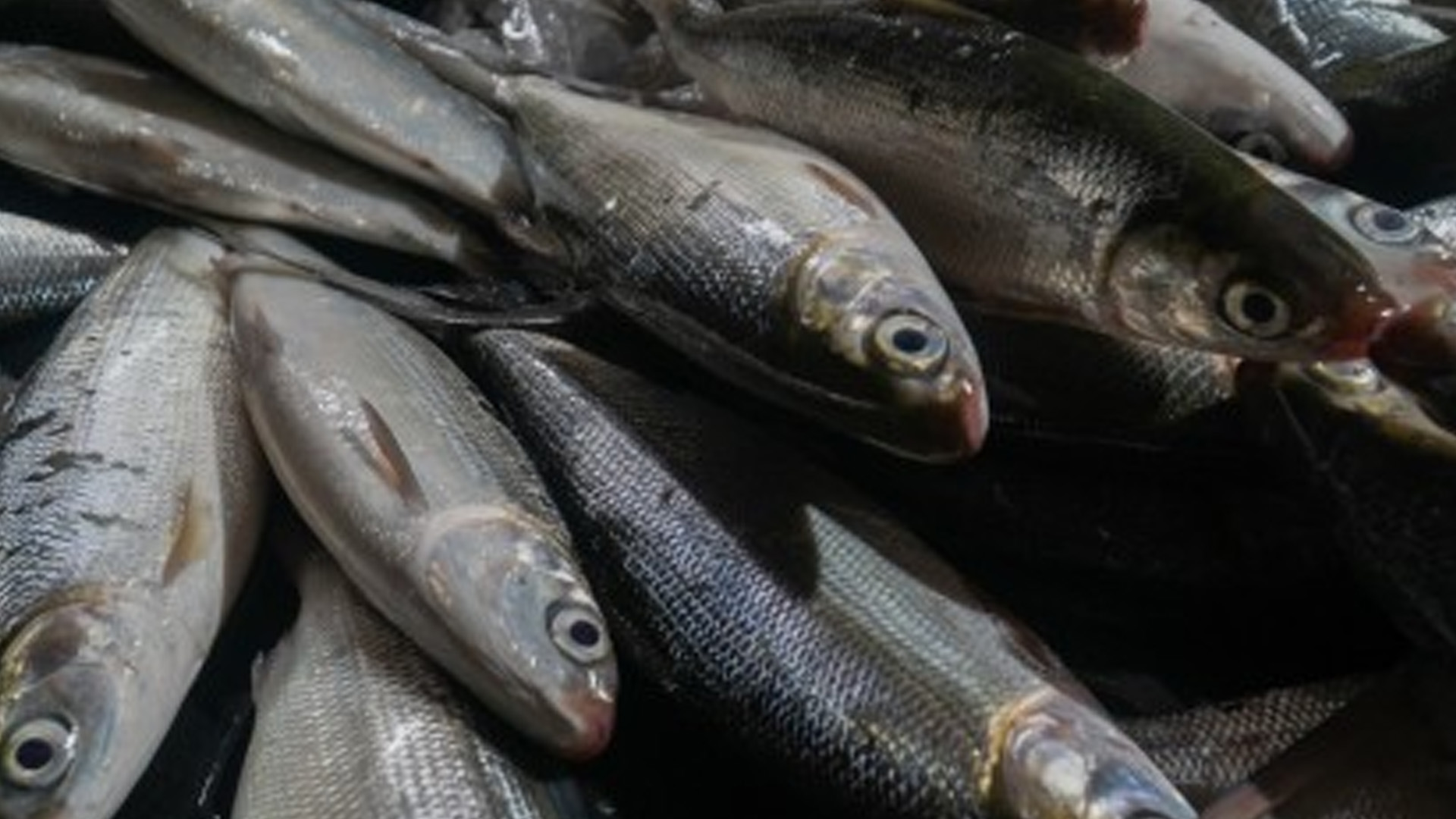






Fish farmers, especially those growing brackish and marine species, should seize the opportunity to grow milkfish production amid the ongoing effects of the El Niño phenomenon.
“The heat exacerbated by the phenomenon provides an advantage for breeders, as the relatively high water temperatures stimulate milkfish metabolism, leading to spawning and ample egg and larvae production,” Dan Baliao, chief of the Southeast Asian Fisheries Development Center/Aquaculture Department (SEAFDEC/AQD), said in a press statement on Wednesday.
During the cold months between November and February, they have to invest in industrial water heaters to keep the breeders active at a water temperature between 29°C and 30°C and ensure a continuous supply of eggs for hatcheries, he added.
Further, the lack of rain also encourages better pond preparation for the growth of natural food sources, such as “lab-lab,” a naturally occurring mat of benthic algae that thrives in brackish water fishponds but dissipates when exposed to rain.
“Fishpond operators can save on supplemental feeding if they take advantage of good ‘lab-lab’ growth during dry spells because ‘lab-lab’ itself is a robust source of fish nutrition,” he added.
The SEAFDEC/AQD, however, has recommended good water management during the tidal cycle and maintaining desirable pond water levels and stocking densities because extreme heat followed by a sudden rainfall can cause fish kills.
“Farmers ought to stock only the recommended density of 2,500 to 3,000 milkfish fingerlings per hectare. Stocking beyond what is recommended would necessitate additional investment in artificial feeds and life support systems,” he added.
He also urged farmers to prepare their ponds, including applying organic fertilizers and liming for the rainy season.
Meanwhile, the SEAFDEC has in its facility in Tigbauan 17 juvenile wild mackerel tuna, also known as “kawakawa” or “tulingan,” taken from a fish trap in the municipality of Barbaza in Antique last month.
“The kawakawa juveniles will be kept in our hatchery where we hope they reach maturity and lay eggs. It will be another breakthrough for us if the eggs hatch into the first captive-bred tuna in the Philippines,” Baliao said.
The research center has been studying their reproductive biology since 2020 as part of a project funded by the Japanese government. (PNA)


