



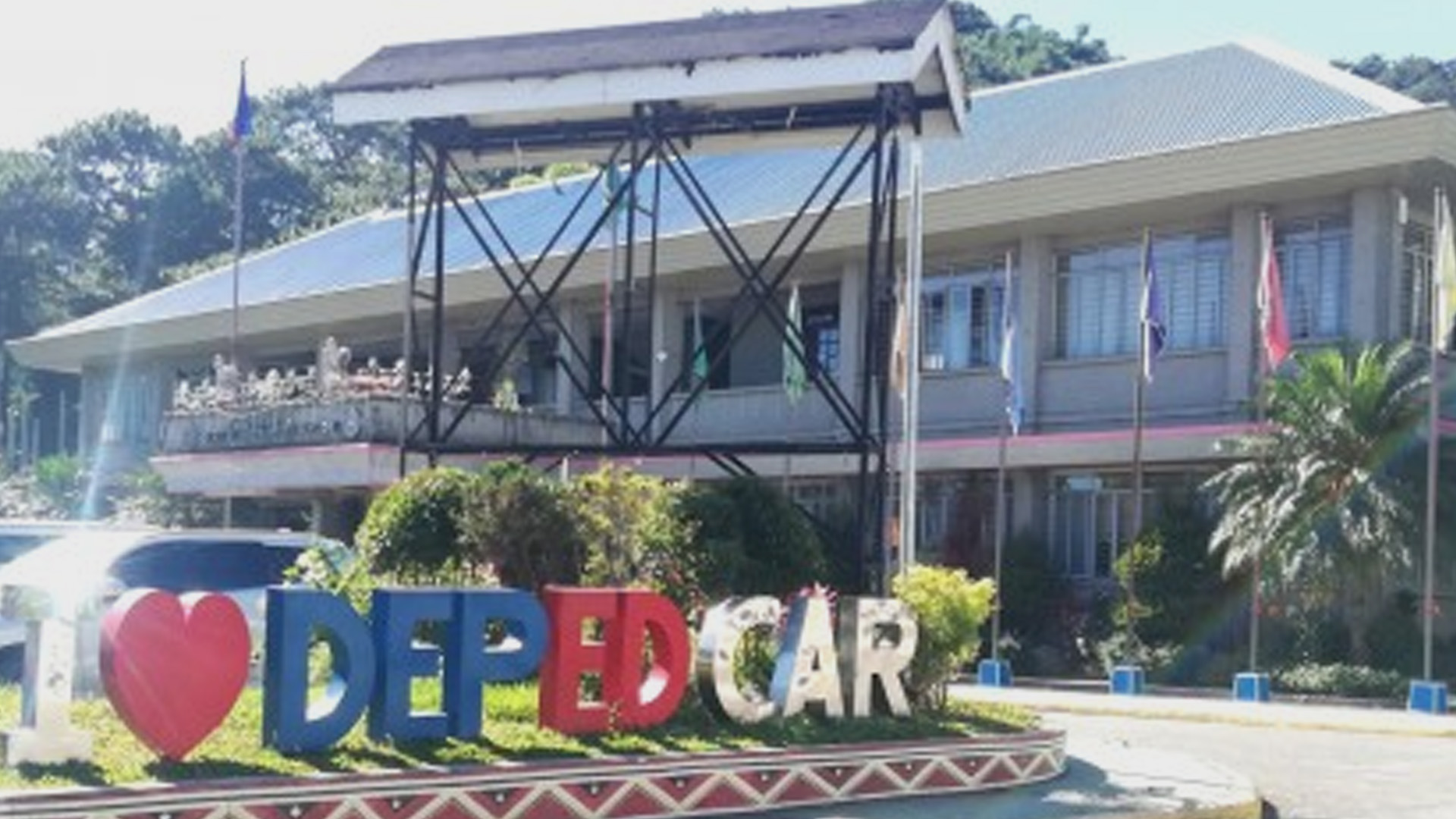






The Department of Education (DepEd) in the Cordillera Administrative Region (CAR) has started gathering feedback from local education stakeholders for the proposed Senior High School (SHS) curriculum, which is expected to roll out in the 2025-2026 school year.
In a consultation workshop held at the National Educators Academy of the Philippines in La Trinidad on Friday, Ronald Castillo, DepEd-CAR’s assistant regional director, said the Philippine Institute of Development Studies (PIDS) had developed the proposed curriculum.
It is now being validated following orders from DepEd’s central office in Manila.
Castillo said the department is consolidating regional inputs before finalizing the curriculum for pilot implementation in schools nationwide.
The proposed revisions followed after findings indicating that the current K-12 curriculum inadequately prepares Senior High students for either employment or higher education.
Thus, the reason President Ferdinand R. Marcos Jr. ordered the review of the curriculum and to make it responsive both to the industry and to the stakeholders, he said.
“We are obtaining the region’s inputs for inclusion in the final output of the department at the national level then the pilot implementation of the enhanced SHS curriculum will start by the school year 2025-2026. The curriculum will introduce several changes, including reducing the number of subjects from 31 to 9-12, streamlining technical-vocational electives from 173 to 43, and eliminating the strand structure, allowing students more flexibility to gain both academic and technical skills,” Castillo said.
Another key update is the increase in work immersion hours, from 80 to 620, aimed at giving students greater practical experience.
Dr. Jennifer Ande, chief education supervisor for the curriculum and learning management division under the DepEd-CAR, in a separate interview, said longer immersion must be backed by high-quality partners.
This, she added, ensures students do not just meet the required hours but gain substantial, hands-on experience to enhance their employability.
Jhona Saldo, a Grade 12 student at the Tublay School of Home Industries, agreed to increase the immersion hours but stressed the importance of meaningful placements.
“We get to have the theories but we are lacking in practice. We agree to an increase in the hours of immersion but we hope that where we are assigned for the immersion will allow us to experience the job,” Saldo said.
The consultation was attended by a diverse group of stakeholders, including parents, students, local government units, school representatives, industry partners, and educators. (PNA)


