



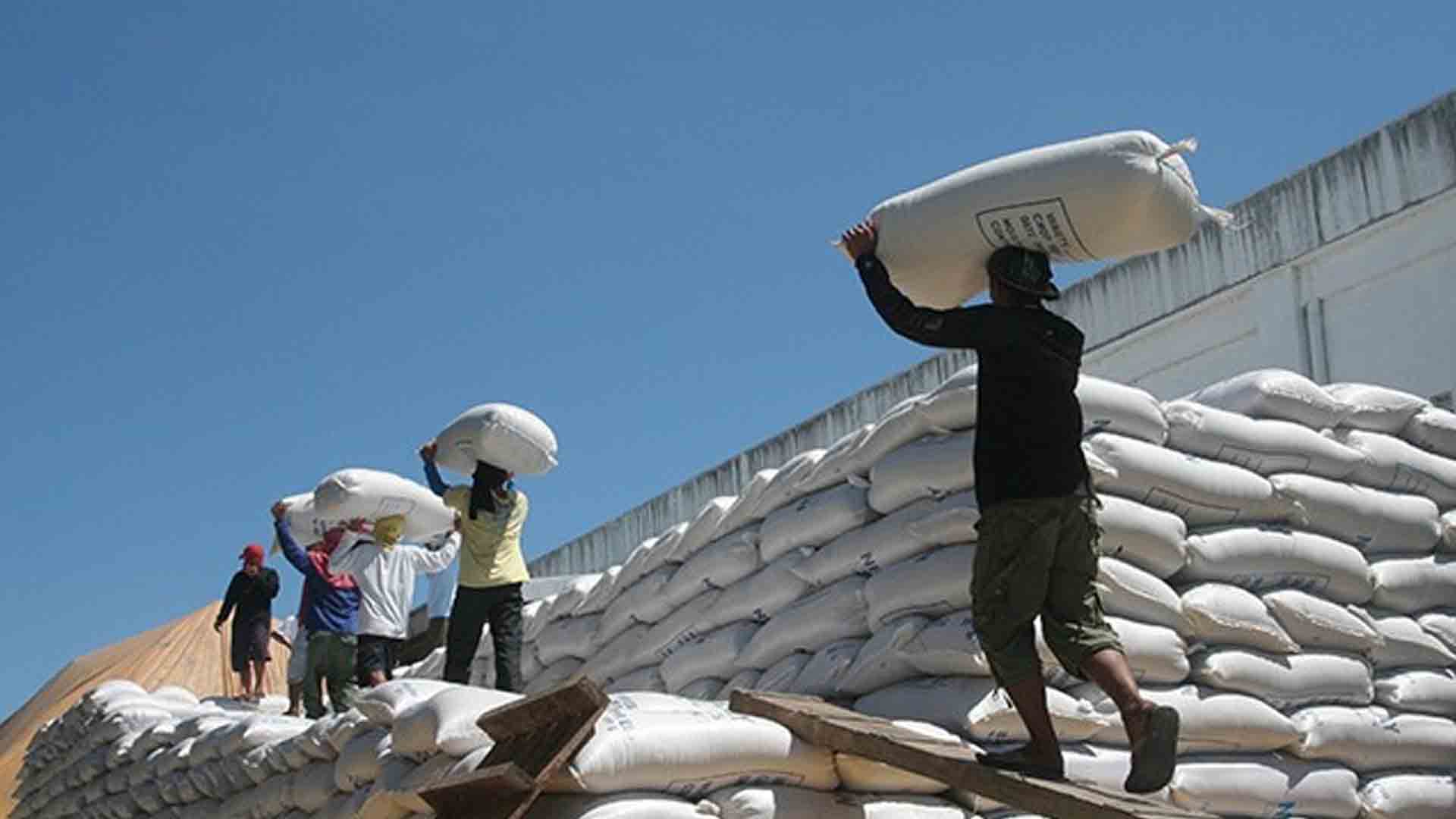






An economist said the Rice Tariffication Law (RTL) has effectively boosted domestic rice supply and brought down prices but cited possible adjustments on the law to further protect local farmers.
RTL was signed into law in February 2019 and took into effect the following month. It removed the quota system on rice importation and instead imposed a levy on imported rice.
In a reply to e-mailed questions from the Philippine News Agency, Rizal Commercial Banking Corporation (RCBC) chief economist Michael Ricafort said RTL resulted in almost PHP10 a kilo drop in local rice prices relative to its level in September to October last year when supply issues caused rice prices to surge.
“Inevitably, this could have also reduced the prices of palay (rice that is still not milled) bought from farmers by palay traders,” he said.
Ricafort said the local agriculture sector is “vulnerable or even at a disadvantage” without the importation quota because their counterparts overseas receive subsidies from their governments to help them sell their products at a cheaper price to the Philippines.
He, however, said RTL is important “to also ensure food security/sufficiency as a national policy priority, especially if there are disruptions in the importation of rice as seen at the start of Covid-19 (coronavirus disease 2019).”
He said there is a need for “greater safeguards/support for the local agricultural sector, including rice farmers, in view of cheaper agricultural/rice imports.”
The government has already put in place safeguard measures like prioritizing local farmers before allowing more rice importation to prevent a further drop in the farmgate price of rice.
Ricafort said the additional measure “include flexibility on the volumes of rice to be imported and the variability of the import tariff rates on rice imports”, with the latter aimed at “preventing losses for rice farmers that could hurt the long-term viability and adversely affect national food security especially in view of various contingencies/emergencies that could emerge, such as the Covid-19 pandemic.”
Other possible support measures are the distribution of higher yielding seeds or rice varieties to increase productivity and competitiveness of local farmers, increased mechanization of processes, construction of more irrigation facilities to increase harvests and reduce cost, and improvement of the supply chain linkages between farmers and the buyers. (PNA)


