



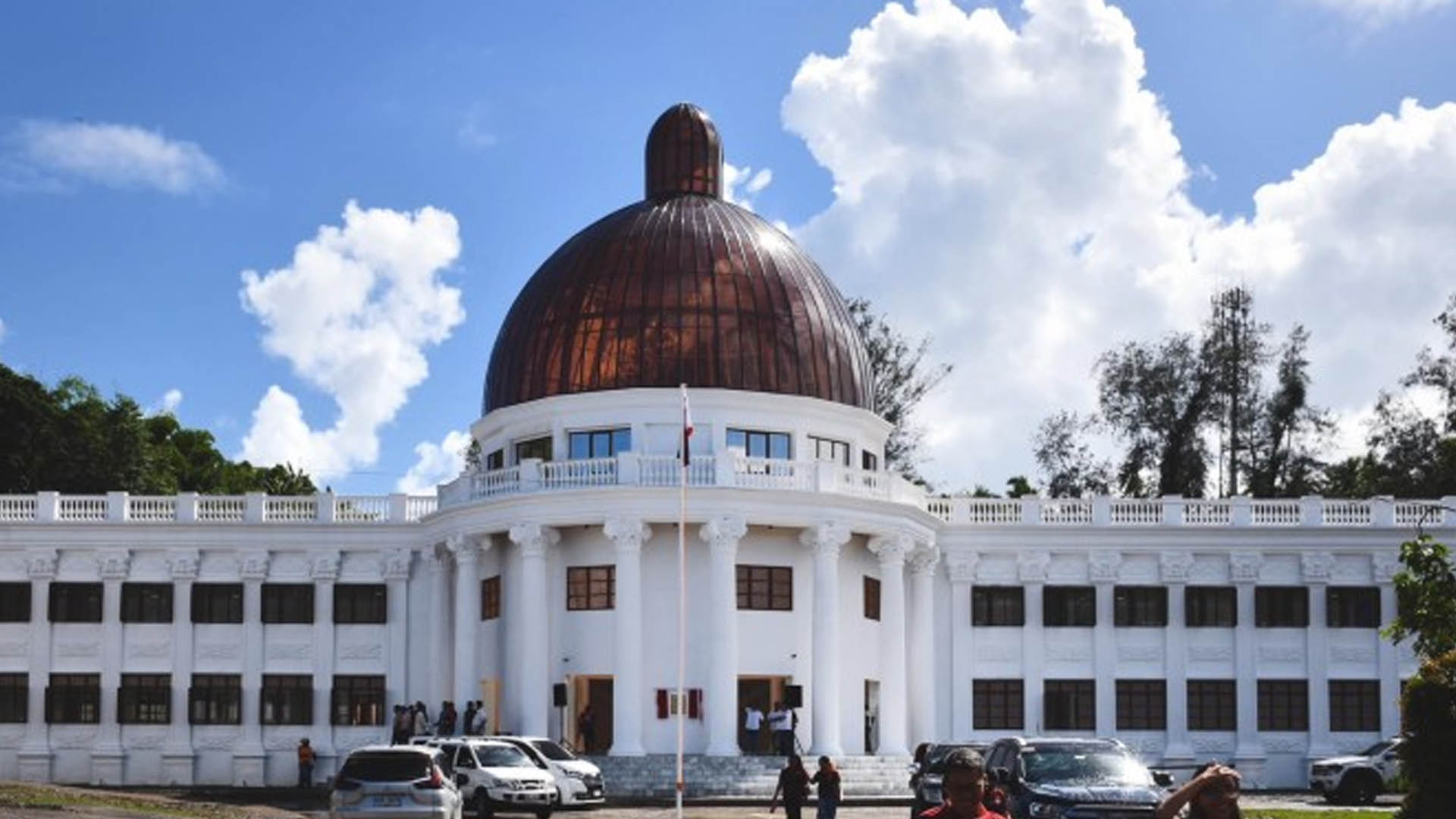






Eastern Samar emerged as the fastest-growing economy in Eastern Visayas in 2024, posting an impressive 10.2 percent growth rate, the only double-digit expansion recorded among the region’s six provinces and one highly urbanized city.
In the 2024 Provincial Product Accounts report for Eastern Visayas released on Tuesday, the Philippine Statistics Authority (PSA) regional office here said all economies in the region grew in 2024 compared with their 2023 performance.
Following Eastern Samar is Tacloban City, which grew by 8.2 percent, and Southern Leyte, which expanded by 7.1 percent. These three economies outpaced the regional average growth of 6.2 percent.
The 2024 Provincial Product Accounts unveils the strong economic showing of Eastern Samar, attributing the growth to continued improvements in infrastructure, public services, and local investment activity across key sectors such as construction, trade, and services.
PSA data showed that services accounted for 54.2 percent of Eastern Samar’s Gross Domestic Product (GDP), making it the backbone of the province’s economic structure. The services sector includes activities such as trade, transportation, accommodation, food services, education, and public administration.
In a statement, Joselito Abrugar, Eastern Samar provincial planning and development officer, said last year’s gains are the result of huge investments.
“A significant portion of our investments goes to construction and agriculture. If you travel around the province, you will see several farm-to-market roads — both improved and newly concreted,” Abrugar said.
One example, Abrugar said, is the land travel from Maslog to Dolores town that is now possible, “something that was not feasible before when boats were the only option.”
Across the region, only Leyte has an industry-based economy, with the sector contributing 53.9 percent of its GDP. Meanwhile, the rest of the provinces and Tacloban City were services-based economies.
Services accounted for 49 percent of Biliran’s GDP, 59.9 percent in Northern Samar, 51.1 percent in Samar, 53.6 percent in Southern Leyte, and 77.1 percent in Tacloban City.
The industry sector covers mining and quarrying, manufacturing, electricity, steam, water and waste management, and construction.
The services sector, meanwhile, encompasses wholesale and retail trade, transportation and storage, accommodation and food services, information and communication, finance, real estate, education, health and public administration, among others. (PNA)


