



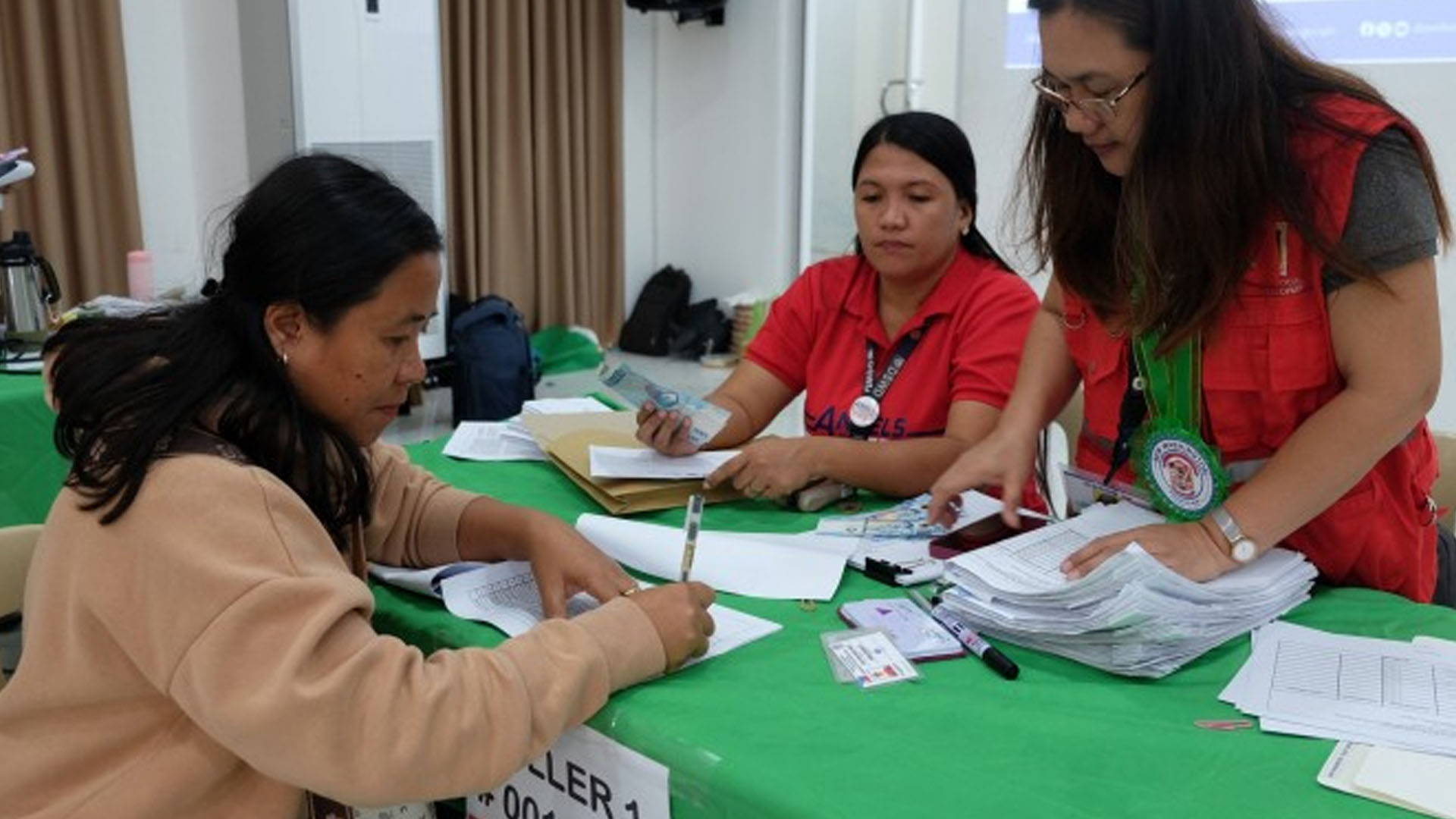






The Department of Social Welfare and Development (DSWD) has released PHP11.31 million under its Therapy for Fee (TheraFee) project, benefiting 1,953 care workers and their families through the Kapit-Bisig Laban sa Kahirapan–Comprehensive and Integrated Delivery of Social Services (KALAHI-CIDSS) program.
KALAHI-CIDSS national program manager Bernadette Mapue-Joaquin said Wednesday the figures were based on records as of June 24, 2026. The project was first piloted in 2025 in Sibunag, Guimaras; Bingawan, Iloilo; Madalag and New Washington in Aklan; and Valenzuela City.
Mapue-Joaquin said TheraFee is part of government efforts to support family caregivers and persons with disabilities (PWDs) with high support needs. It is implemented under the KALAHI-CIDSS cash-for-work program for PWDs.
The program seeks to recognize and compensate caregiving work, provide essential services to persons with permanent total disability, equip care workers through training and promote gender equality, social inclusion and stronger family and community support systems.
“Tinutugunan ng TheraFee ang kritikal na kakulangan sa social protection sa pamamagitan ng direktang pagsuporta sa dalawang natatanging grupo ng mga benepisyaryo. Kabilang dito ang care worker o tagapag-alaga na kadalasan ay miyembro ng pamilya na naglalaan ng kanilang oras upang magbigay ng araw-araw na pag-aalaga at kinakailangang suporta (TheraFee addresses the critical need for social protection through direct support to these two special groups of beneficiaries. Included here are the care workers or caregivers who most of the time are members of the family that allot their time to provide daily care and needed support),” Mapue-Joaquin said in a statement.
“Ang pangalawang benepisyaryo ay ang mga persons with disabilities with high support needs, na tumatanggap ng tuloy-tuloy at nakatuong pag-aalaga upang mapanatili ang kanilang dignidad, kalusugan, at kalidad ng pamumuhay (The second beneficiaries are the persons with disabilities with high support needs, who continuously receive intensive care to let keep their dignity, health and quality of life),” she added.
Mapue-Joaquin said care workers are paid for up to eight hours of daily caregiving. Tasks include assistance with feeding, bathing, dressing, mobility, medication management, meal preparation and companionship. The program prioritizes home-based care, group homes and kinship arrangements.
DSWD spokesperson Assistant Secretary Irene Dumlao said qualified care workers receive pay equivalent to the regional daily minimum wage.
She added that TheraFee also provides psychosocial support, basic rehabilitation training, assistance in PhilHealth and Philippine Statistics Authority registration, access to Solo Parent Corners and referrals under the Assistance to Individuals in Crisis Situations (AICS) program.
“Bukod sa (Aside from) CFW, beneficiaries also receive psychosocial support sessions, basic rehabilitation training for care workers, PhilHealth and Philippine Statistics Authority registration assistance through on-site service booths, pati na rin (including) access to immediate crisis support mula sa (from the) Solo Parent Corners, at (and) Assistance to Individuals in Crisis Situations (AICS) referrals,” Dumlao said.
The DSWD said the nationwide expansion of TheraFee, in partnership with the National Council on Disability Affairs, aims to strengthen inclusive social protection by recognizing unpaid care work and improving the quality of life of PWDs with high support needs. (PNA)