










The Department of Science and Technology (DOST) urged those in the agriculture sector to adopt smart technologies aimed at revitalizing the industry, improving productivity and ensuring the government’s goal of food security.
Nancy Bantog, Regional Director of DOST–Cordillera Administrative Region (CAR), said on Friday that the agency is actively implementing SARAI (Smart Approaches to Reinvigorate Agriculture as an Industry in the Philippines), a four-year program promoting science-based tools and technologies.
Each year, SARAI targets at least three priority commodities and three local government units (LGUs) for technology adoption, she said in an interview.
For the Cordillera region, Bantog said SARAI will focus on rice, corn, coffee and cacao.
“The program is designed to address various challenges in agriculture through smart, data-driven approaches that ensure better yields and resilience against climate and environmental factors,” she said.
SARAI incorporates several cutting-edge technologies developed to assist farmers in planning, monitoring and improving crop production.
This includes SPIDTECH (Smarter Pest Identification Technology), which would help early detection and management of crop pests and diseases.
DOST also introduced CAPCHE (Coffee Application Harvest Estimator), a mobile tool that gives crop-specific advisories throughout the growth cycle and helps predict the best harvest time based on growing-degree days and other indicators.
Also included are BanaTech, a mobile app that estimates banana harvest data, helping farmers determine the optimal harvest time; CL-SEAMS (Community-Level SARAI Enhanced Agricultural Monitoring System) that provides near real-time, site-specific crop monitoring and damage assessment using a geographical information system (GIS), remote sensing; and NDVI (Normalized Difference Vegetation Index).
“These tools serve as decision-support systems that empower farmers to make better and more informed choices,” Bantog said.
“We are also coordinating with SARAI program leaders for the development of systems tailored to highland crops specific to the Cordillera region.”
Bantog said that even before SARAI’s official rollout, DOST-CAR had already implemented smart agriculture technologies, such as automated irrigation systems that use soil moisture sensors.
She also highlighted the use of aquaponics, noting that the Cordillera’s unique topography demands localized innovations to support its role as the country’s leading producer of highland vegetables.
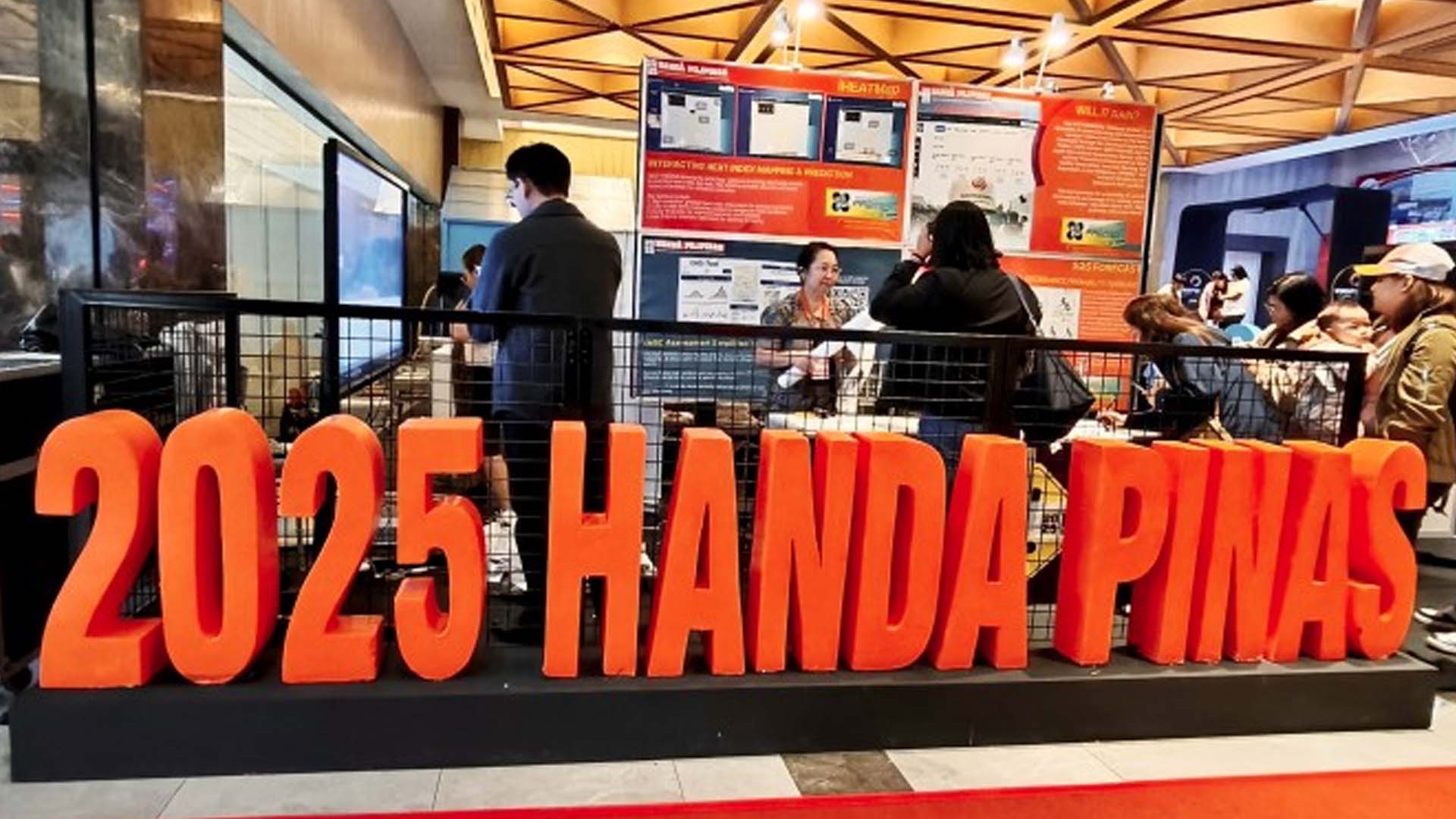
In a press conference during the opening of the “Handa Pilipinas sa Bagong Pilipinas” Luzon leg on Thursday, DOST Secretary Renato Solidum Jr. emphasized the importance of integrating smart agriculture into local governance.
“True resiliency in Disaster Risk Reduction and Management isn’t just about survival. The economy must also thrive. Resilience must be part of economic development,” Solidum said.
“We want the local government units (LGUs) to adopt the smart agriculture technologies, and one of them would be the various apps under project SARAI,” he added.
He cited the potential of drone technology, mapping systems and logistics tracking to support agriculture, improve market access, and protect farmers from climate-related risks, pests and volatile pricing.
“As the technology hub for SARAI, we aim to promote and implement these innovations nationwide. But for that, we need interested LGUs and farmers’ cooperatives to come on board,” he stressed. (PNA)


