



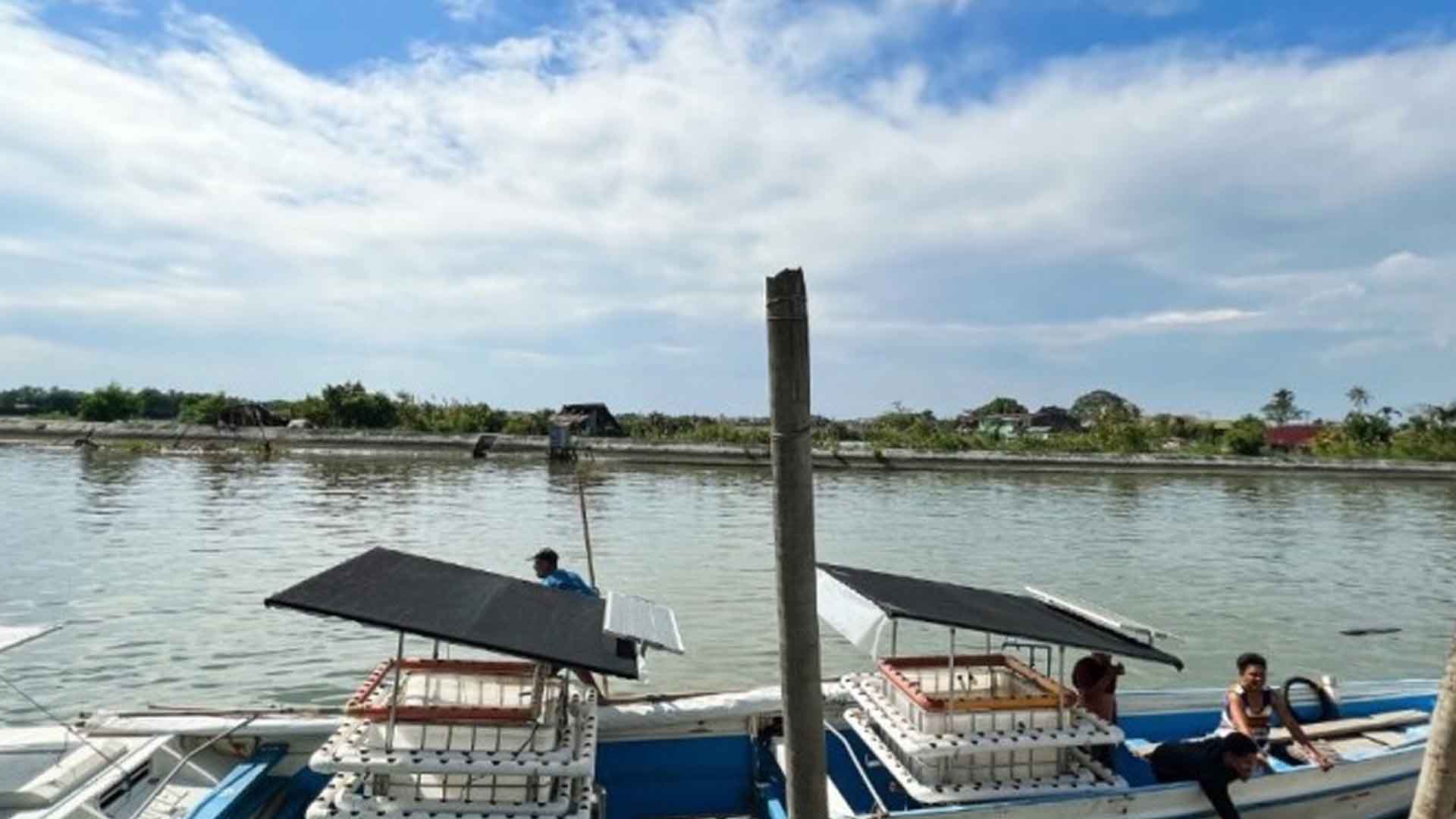






The Department of Science and Technology (DOST) has promoted soilless agriculture in the coastal villages of Hagonoy, Bulacan in a bid to help sustain food supply.
The DOST, through the Provincial Science and Technology Office of Bulacan (PSTO-Bulacan) and in collaboration with non-government and non-profit organization Good Neighbors International Philippines and the local government unit of Hagonoy, has deployed one unit each of aquaponics technology system at Pugad Elementary School and Tibaguin Elementary School.
PSTO-Bulacan provincial director Angelita Parungao said on Friday that crops are difficult to cultivate in coastal villages like Tibaguin and Pugad, which have non-arable soil areas due to high salinity.
To address this challenge, Parungao said the DOST has introduced an aquaponics system as an alternative way to produce high-value crops.
The system uses 90 percent less water compared with conventional farming since the water is just recycled in a tank.
Besides water use efficiency, she said there is no need for agricultural land through aquaponics technology, unlike traditional planting.
“Through aquaponics, we can have a sustainable supply of food even without extensive agricultural lands,” Parungao said in an interview.
She also said they decided to introduce aquaponics technology in schools to enhance the interest of the students in planting and modern agricultural technologies.
“Through this, we are building up the students’ awareness of the relevance of agriculture in providing sustainable food security in communities,” she added.
Last Feb. 10, the PSTO-Bulacan provided technology training and an actual demonstration on the operation of aquaponics technology to the teachers of Pugad Elementary School and Tibaguin Elementary School.
“Ang pamunuan ng Paaralang Elementarya ng Pugad ay taos pusong nagpapasalamat sa DOST sa pakikipagtulungan ng Good Neighbors International Philippines sa pagbibigay ng seminar sa angkop na pagtatanim gamit ang aquaponics. Makatitiyak po kayo na ito ay aming mapapayabong at magiging kapakipakinabang sa paaralan at komunidad (The leadership of the Pugad Elementary School is thankful to the DOST and the Good Neighbors International Philippines in providing seminar on appropriate planting using aquaponics. Rest assured that we will enrich it to become beneficial to the school and the communities),” said Rosario A. Goleña, officer-in-charge of Pugad Elementary School.
The project was funded under the Community Empowerment Thru Science and Technology (CEST) program of DOST 3, which is continuously receiving support from Sen. Joel Villanueva. (PNA)


