









The Department of Human Settlements and Urban Development (DHSUD) will focus on expanded housing options, faster project approvals, and stronger urban development and disaster-resilient initiatives in 2026 under the recalibrated Pambansang Pabahay Para sa Pilipino (4PH) Program.
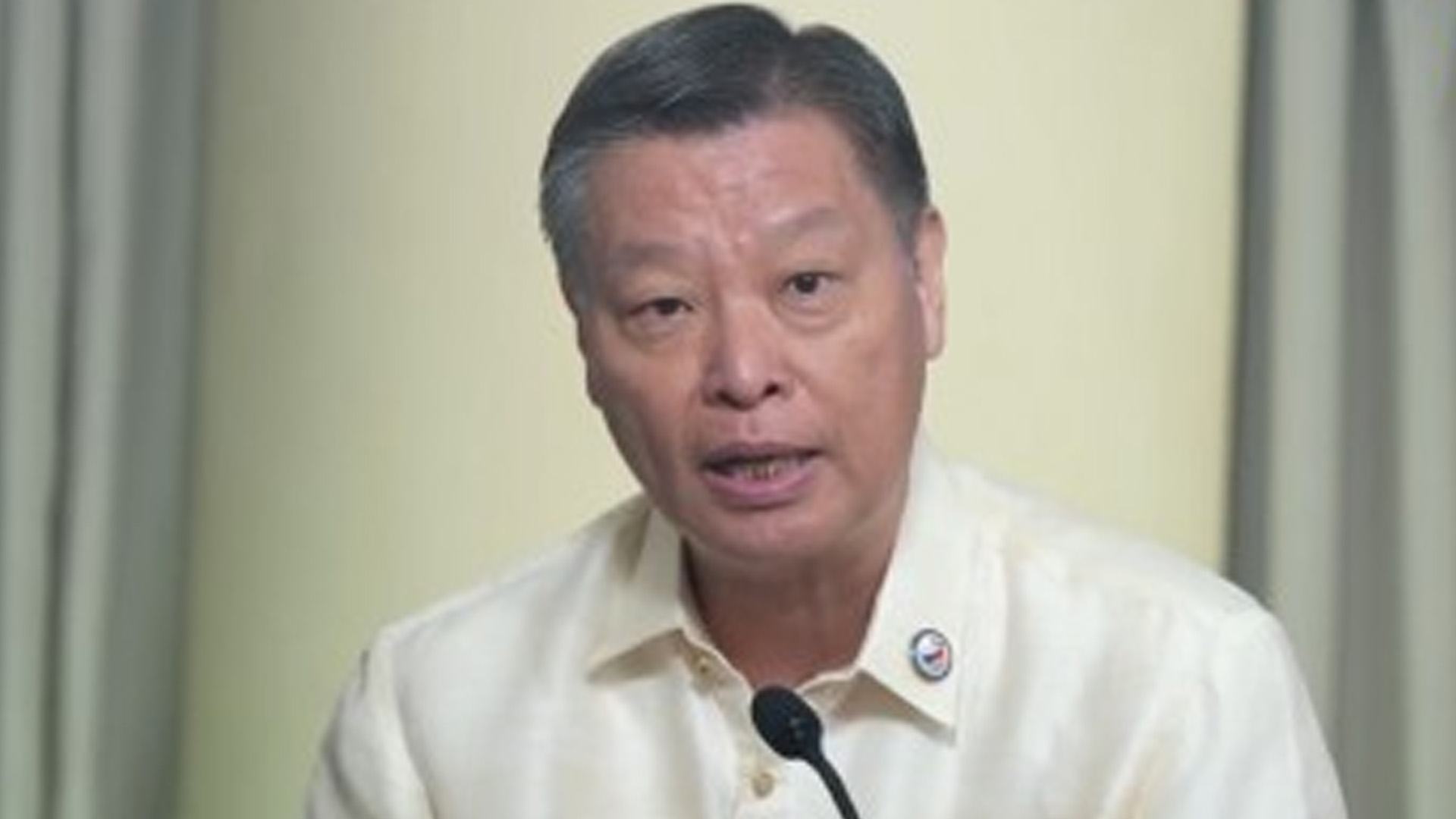
In a Palace briefing on Monday, DHSUD Senior Undersecretary Henry Yap said the department expanded the 4PH program starting in mid-2025 to make it more responsive to beneficiaries’ needs.
“Instead na maging production-centric kami, naging beneficiary-centric (Instead of being production-centric, we became beneficiary-centric),” Yap said.
He said beneficiaries are now allowed to choose among vertical housing, horizontal house-and-lot units, or even lot-only options. Previously, only condominium-type housing was eligible for government subsidy.
Yap said DHSUD is maintaining its revised target of 1.133 million housing units for the entire Marcos administration, with 90,000 units targeted for 2026.
As of end-2025, the department has already delivered more than 400,000 units through a combination of direct government housing and indirect interventions such as Pag-IBIG Fund loans.
Addressing questions on the gap between the original 6.5-million housing target and the revised figures, Yap said the earlier number covered both actual housing backlog and projected needs, including houses that “may or may not” be damaged over time.
“So, the number that is needed is only about two-thirds, or about three plus, three point something million, and that’s actually what we’re working on now,” he said.
He added past administrations delivered about 700,000 to 800,000 housing units over their respective terms.
Yap underscored the role of the Pag-IBIG Fund in meeting housing targets, citing the reduction in interest rates for socialized housing from 6.25 percent to 3 percent.
He said the department is hoping to reduce the rate to 1 percent, as lower rates encourage more Filipinos to avail of housing loans.
On private sector participation, Yap said around 250,000 housing units committed by private developers are expected to be constructed starting this year after the issuance of the Joint Memorandum Circular on price ceiling adjustments by DHSUD and the Department of Economy, Planning, and Development (DEPDev) in December 2025.
Yap also highlighted the revival and expansion of the Community Mortgage Program, one of DHSUD’s most successful initiatives, which allows informal settler families to eventually own the land they occupy.
“We have already approved 36 projects with over 6,000 potential beneficiaries,” he said.
For families unable to immediately purchase homes, the DHSUD is expanding its rental housing program, which was piloted at the University of the Philippines.
In response to questions on construction delays and rising costs, Yap said the department adjusted socialized housing price ceilings to reflect higher construction costs and diversify housing modalities.
“You can buy or you can produce a house and lot at between, not more than PHP950,000 compared to PHP1.8 million before,” he said, noting this has reduced amortization costs and widened access to housing.
For urban development in 2026, the DHSUD will continue implementing PlanSmart, in partnership with the Department of Science and Technology and the Department of Environment and Natural Resources, to fast-track comprehensive land use plans and ensure climate-resilient development.
Yap also said DHSUD will sustain its disaster response initiatives, including the deployment of modular shelter units, establishment of nearly 20 bayanihan villages in disaster-hit areas such as Cebu and Davao Oriental, and continued financial aid under the Integrated Disaster Shelter Assistance Program (IDSAP).
On land availability, Yap said the DHSUD has inventoried more than 30,000 hectares, although only about 30 percent may be suitable for housing due to legal and land-use restrictions.
He said inventory does not automatically mean usable, and evaluation and coordination with local government units and other agencies are still needed to move projects forward.
Despite challenges, Yap said the DHSUD remains confident of meeting its targets. (PNA)


