



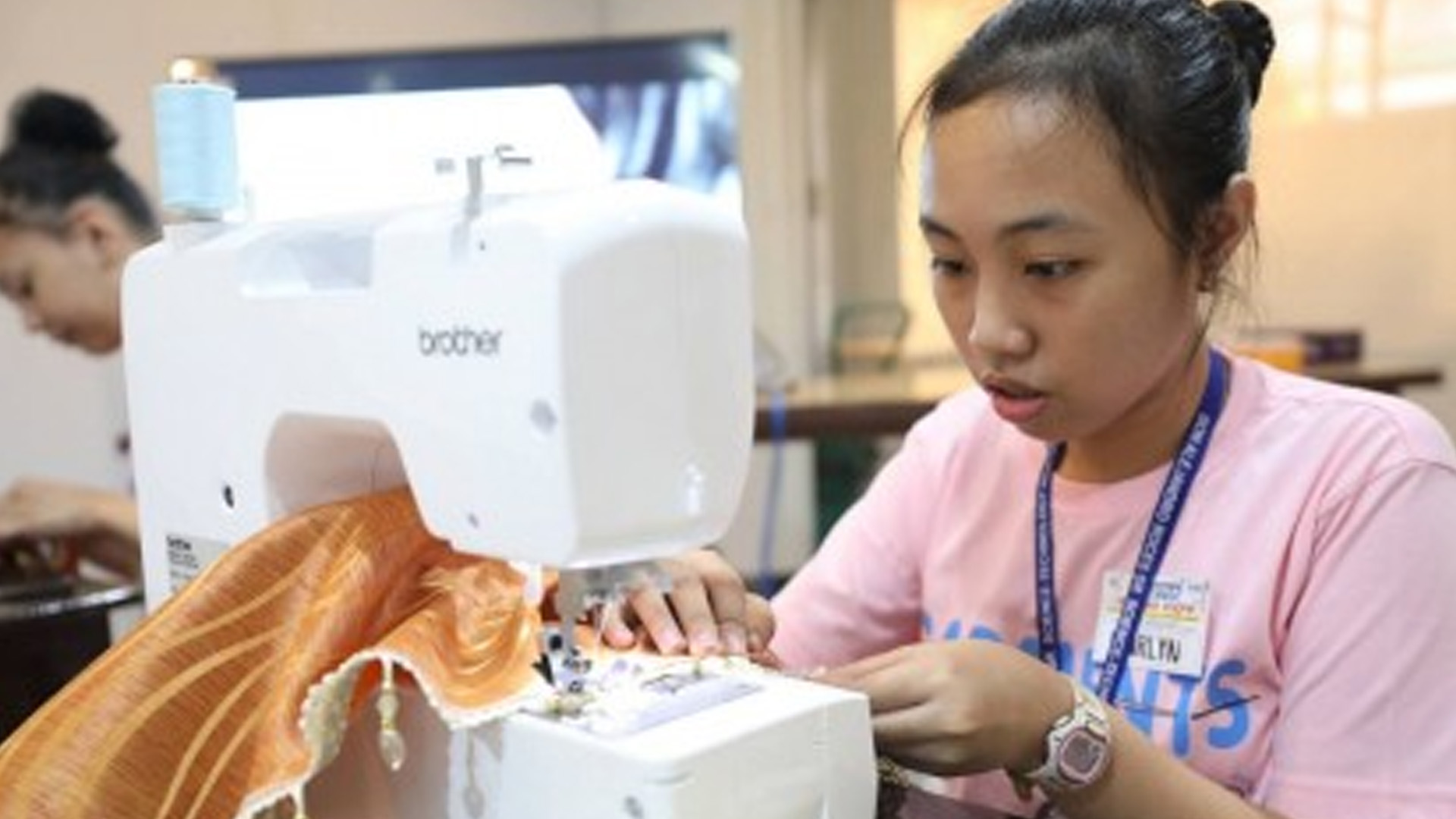






The Department of Education (DepEd) on Friday pushed for stronger alignment among educational institutions, training providers, industry partners, and government agencies as it represented the Philippines at the 16th ASEAN (Association of Southeast Asian Nations) Qualifications Reference Framework Committee (AQRFC) Meeting.
In a news release, the DepEd noted that building a future-ready workforce requires a common framework that connects basic education, technical-vocational training, higher education, and employment, ensuring learners can transition more smoothly from school to work.
Education Secretary Sonny Angara said strengthening alignment across sectors remains central to preparing Filipino learners for evolving workforce demands.
“Our biggest asset is our people. Under President Ferdinand R. Marcos Jr.’s leadership, we are envisioning a more creative and innovative Filipino learner, which will be a significant boost to the industry,” he said.
This shared direction is reflected in ongoing updates to the Philippine Qualifications Framework (PQF), which helps define clearer pathways for learners and ensures that skills gained in school and training are recognized and valued across sectors.
The updated PQF now features eight levels aligned with the ASEAN Qualifications Reference Framework, with clear vertical, horizontal, and diagonal pathways between technical-vocational and higher education.
To date, Senior High School is mapped to Level 3, while micro-credentials have been formally integrated to support lifelong learning and give learners more flexible opportunities to build skills over time.
Angara also stressed the importance of inter-agency collaboration to address employment mismatch and curriculum gaps, as well as the need to provide a unified labor market information system.
These include government agencies, such as the Technical Education and Skills Development Authority (TESDA), the Commission on Higher Education (CHED), and the Department of Labor and Employment (DOLE).
The DepEd reaffirmed its support for a unified labor market information system and the expansion of enterprise-based training and industry-led upskilling programs.
These efforts, Angara said, aim to ensure that learners are better supported throughout their education and training, and are more prepared as they transition into technical-vocational programs and, ultimately, into the workforce.
“We already see alignment under President Marcos’ leadership. The challenge now is execution – staying the course, aligning budgets and incentives, and holding ourselves jointly accountable for learning outcomes,” he said. (PNA)


