



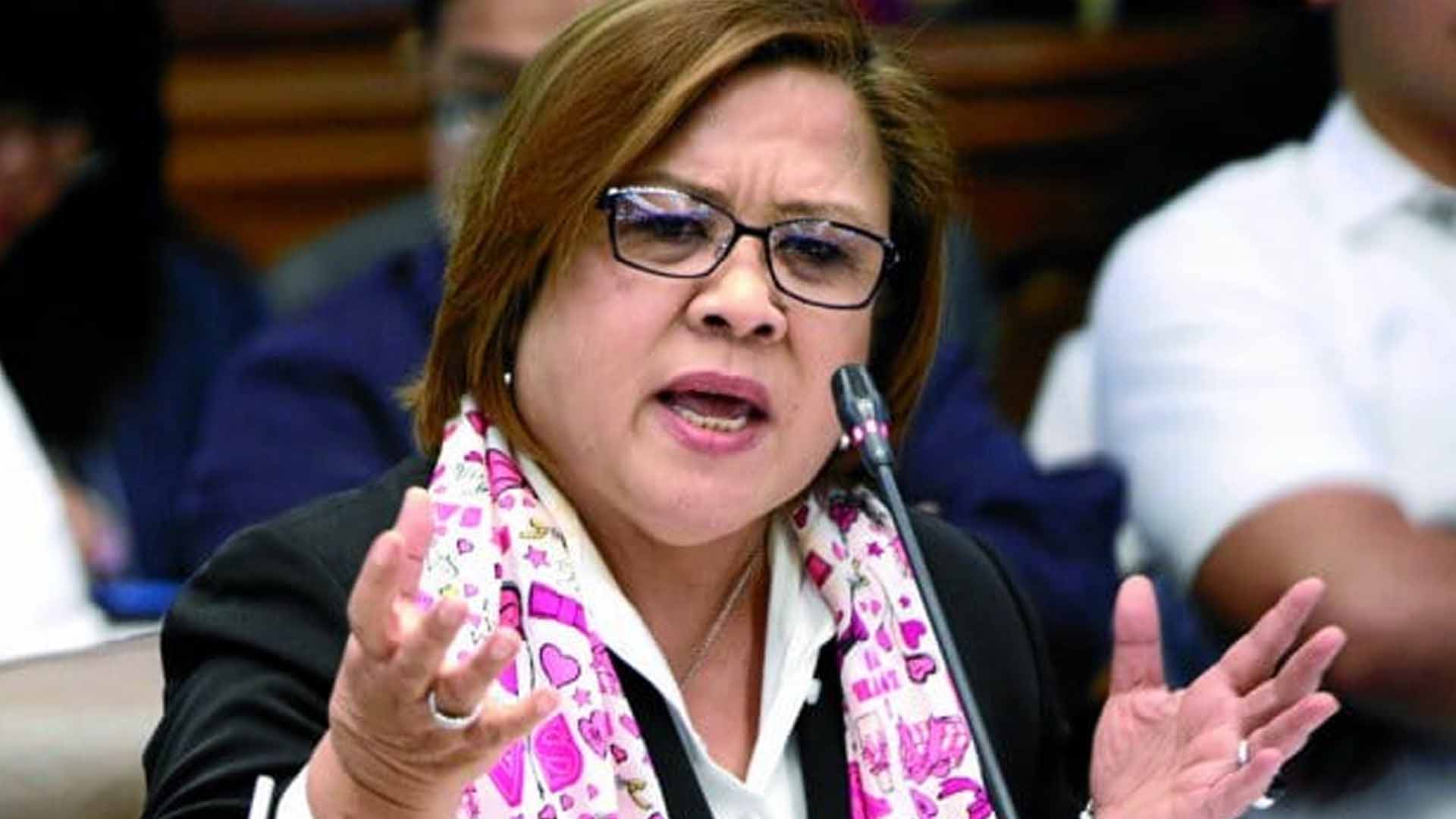






To prevent the spread of diseases and ensure quality living among Filipinos, especially those in far-flung areas, Senator Leila M. de Lima has urged national agencies and local officials to expand access to personal and hygienic toilets or sanitation facilities.
De Lima, who chairs the Senate Committee on Social Justice, Welfare and Rural Development, said poor sanitation facilities, or the lack thereof, especially in some rural areas, pose serious risks to the health and nutrition of the Filipino people.
“There is no doubt: To ensure toilet access, clean water and sanitation is to uphold a basic human right to health and dignified living,” she said in international commemoration of World Toilet Day.
“Clearly, much remains to be done. There are still parts in our country, especially in rural areas that remain lacking in public infrastructures, including proper sewage treatment facilities, even in some schools,” she added.
Celebrated every Nov. 19 of every year, World Toilet Day aims to inspire action to tackle the global sanitation crisis and help achieve Sustainable Development Goal 6 (SDG 6), which promises sanitation for all by 2030.
More than half of the global population still live without adequate sanitation, while 673 million people worldwide still practice open defecation, according to the World Health Organization (WHO)
A joint report by the WHO and the United Nations Children’s Fund (UNICEF) Joint Monitoring Programme for Water Supply, Sanitation and Hygiene revealed that three out of 10 healthcare facilities lack access to clean toilets, with four percent having no toilets.
In the Philippines alone, about 4.5 percent – or 4.7 million – Filipinos are still defecating in the open, while about 24 percent still use unimproved sanitation facilities, especially rural communities and far-flung schools in the country.
“This lack of sanitation facilities and of access to clean water is not only a public health and human rights issue, but also a rural development issue that has been ignored, neglected, or forgotten,” De Lima, a social justice and human rights champion, stressed.
To address the issues on sanitation facilities, De Lima called on national agencies and local officials to revisit and fully uphold the provisions under Republic Act No. 11315 or the Community-Based Monitoring System (CBMS) Act which she co-authored. Senators Nancy Binay, Juan Miguel Zubiri, Sonny Angara, Loren Legarda and Sherwin Gatchalian are the principal authors.
“It mandates the gathering of field-based data at the barangay level for suitable designing and effective monitoring of anti-poverty government programs, and to identify and address the needs of our less fortunate countrymen,” said De Lima, who believes that such method could help identify the areas lacking hygienic toilets in the country.
In addition, the lady Senator from Bicol said the authorities, non-governmental organizations and humanitarian groups should also do their fair share in strengthening Filipinos’ solidarity to investing in the development of poor communities in the Philippines.
“With ‘leaving no one behind’ as this year’s theme, let us all do our part in expanding the access of Filipinos to personal and hygienic toilets that serve as ‘life-saver, dignity-protector and opportunity-maker’ for a healthy and quality way of living,” she said.
In the 17th Congress, De Lima filed Senate Resolution 950 to inquire into the hygiene and sanitation issues in public schools and into the status of the implementation of Presidential Decree No. 856, also known as “Code on Sanitation of the Philippines.”


