



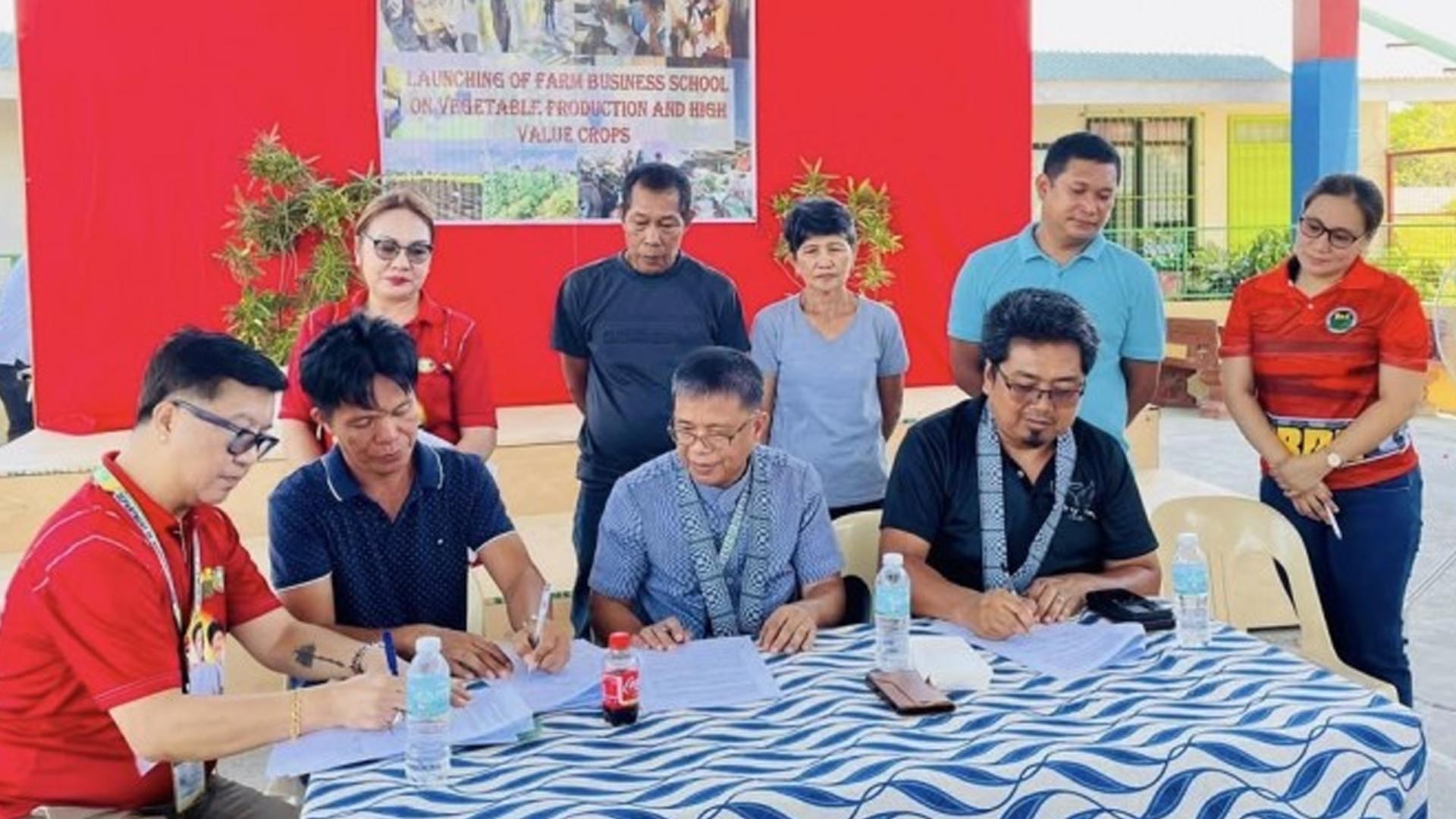






The Department of Agrarian Reform (DAR) is developing more farmer entrepreneurs through an enhanced farm business school (FBS) using mixed participatory adult learning methodologies to make learning more fun and exciting for selected beneficiaries.
For this year, at least 30 farmers from the Upon Multi-Purpose Cooperative in Pinili, Ilocos Norte were enrolled in the farm business course that formally began on Monday.
In an interview on Tuesday, chief agrarian reform officer Rommel Aquino told the Philippine News Agency that the course, which runs from April to August, is expected to enhance the participants’ skills and unleash their potential for agri-business.
With a budget of PHP200,000, the five-month session course will cover the participants’ training venue, kits, food, transportation, and field day expenses.
“Generally, the enhanced FBS aims to transform our agrarian reform beneficiaries into farmer-entrepreneurs and strengthen their organizations as conduits of support services to their members,” Aquino said, noting that this approach has proven its effectiveness to other batches of participants.
At the end of the project, selected participants are expected to conduct buy-in sessions with the DAR and the partner local government unit to ensure the project’s sustainability.
They are also expected to complete the seven learning events composed of at least 12 sessions and prepare the required agro-enterprise development outputs per learning session through post-training field applications, including at least one test group marketing of their focus crop.
The FBS is an annual activity of the DAR to help empower rural communities through education.
“Through the FBS, we help our farmers to think and act like entrepreneurs,” said Vic Ines, assistant regional director of DAR.
“This is part of our efforts to help transform the lives of our farmers, which contribute to nation building and in support of our President’s food sufficiency program.” (PNA)