



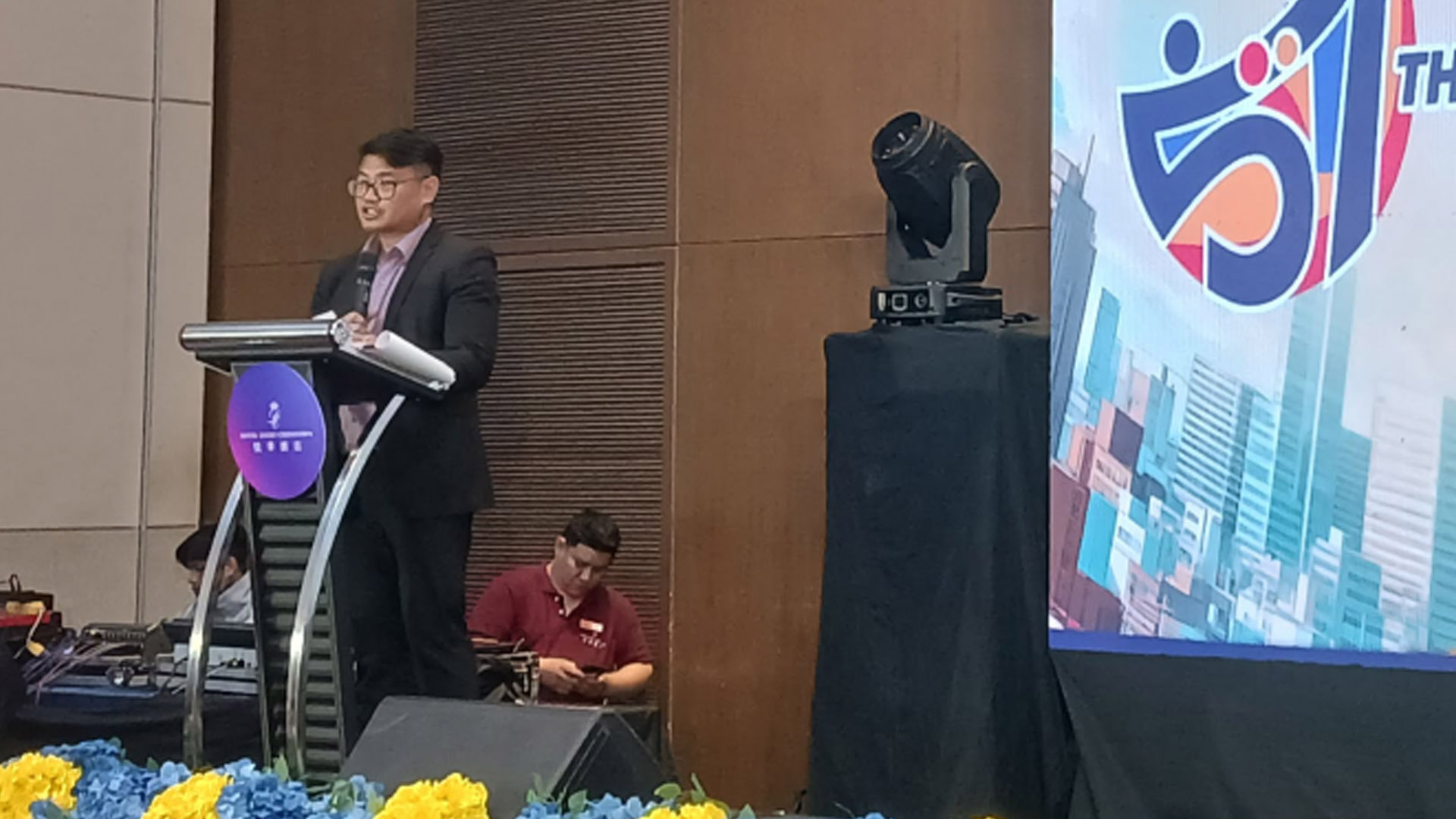






The Commission on Population and Development (CPD) on Thursday marked its 57th anniversary with a renewed call to revise the country’s national population policy, citing major demographic shifts that require updated and integrated strategies.
In an interview with CPD Deputy Executive Director Lolito Tacardon, he said the Philippines has transitioned from the high fertility and rapid population growth of the 1970s.
“This 57th anniversary, we are highlighting the need to strengthen our population and development initiatives because of the changing demographic landscape in our country,” Tacardon said.
“During the time that the national population policy was enacted, we were dealing with high fertility. During the 1970s, actually, we had 6 children as a total fertility rate, and our population growth rate was really that rapid, but now we’re experiencing a drastic change,” he added.
He said the country’s current total fertility rate is at 1.9 children, or two children per woman of reproductive age, citing changes in the fertility preferences of Filipino women.
Tacardon said that while growth has slowed, the country’s population, which reached about 112 million in 2020, continues to increase.
He said the agency is now addressing a more complex demographic landscape that includes population aging, rapid urbanization, rural depopulation, migration and adolescent pregnancy.
A positive trend which Tacardon cited is that 63 percent of Filipinos are now in the working-age group, or between 15 and 64 years old.
With this, he said the country has a demographic dividend that must be maximized through employment, education and human capital development.
He said the declining fertility is contributing to a steady rise in the aging population, requiring long-term planning anchored on a life-course approach.
Tacardon, in his speech, said these demographic shifts compel the CPD to strengthen its population and development initiatives.
“The path ahead calls for stronger data systems, program convergence, sustained financing, institutional resilience, and foresighted governance,” he said.
“The strategies we design today will shape the life chances of future Filipinos. The programs we implement now will influence how our demographic transition unfolds in the decades to come,” he added. (PNA)


