

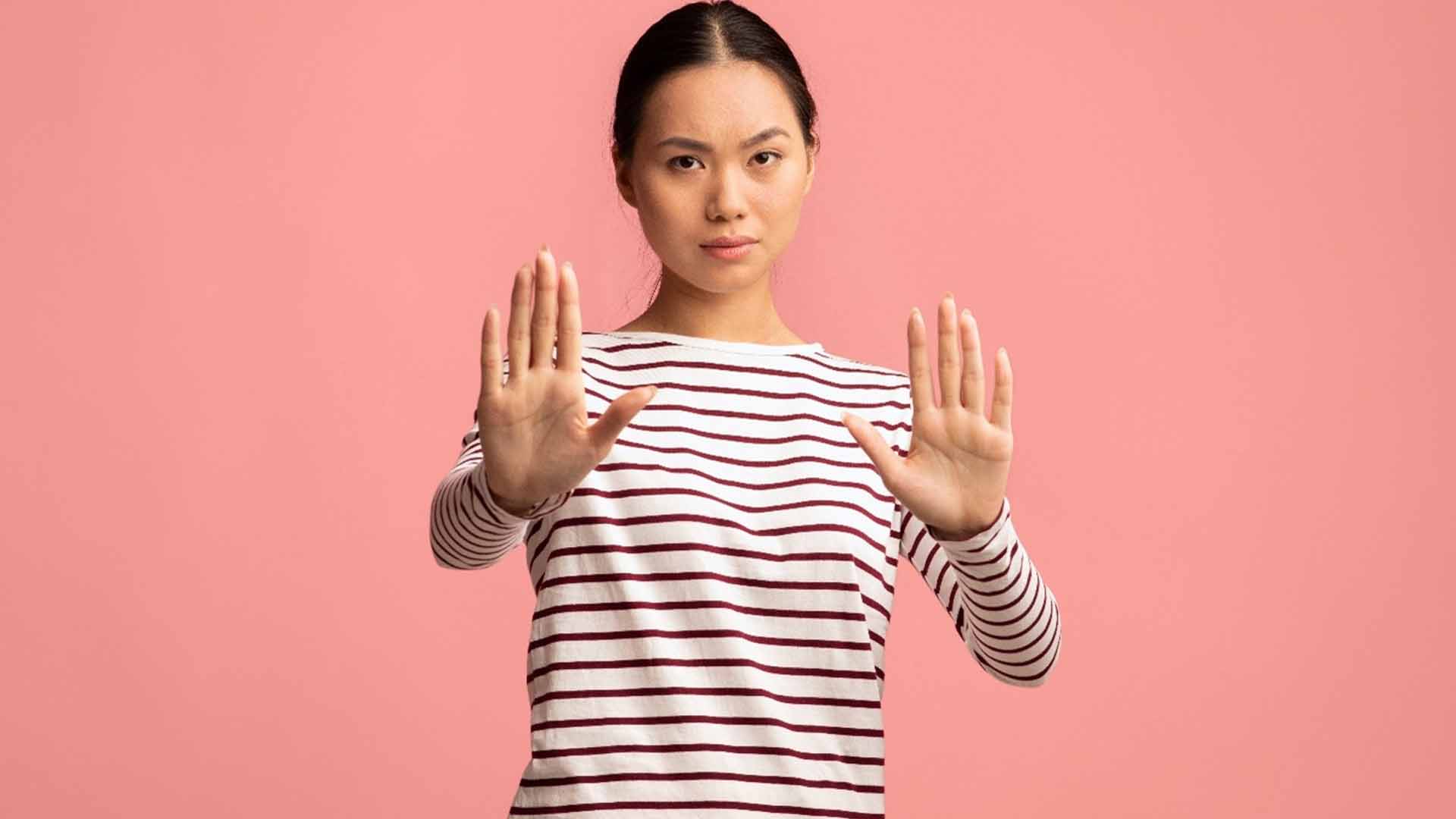







The phenomenon of “cancel culture” under the trendy new environment has gained momentum in various social media platforms and created an environment of hostility—placing personalities, brands, companies, and media to what some consider as a “trend” of creating a sense of accountability for those who said or did things outside the perceived social norms.
Over the years, from a relatively obscure slang term “cancel”, there is plenty of discourse on what it really means between holding people accountable, a method to unjustly punish others, or a mix of both— a contested idea to what it holds in the society.
Today, as people have been immersed in taking strong stands and challenging each other’s views, the social media trend of ‘canceling’ is taking its toll in embracing bullying and jeopardizing the safety of those who were called as the ‘problematic’ in society.
According to Dr. Jill McCorkel, a professor of sociology and criminology, the roots of cancel culture have been present throughout human history.
“Cancel Culture is an extension of or a contemporary evolution of a much bolder set of social processes that we can see in the form of banishment,” she said.
But why does this rampant trolling of calling people that are meant to promote long-lasting social change is instead promoting further division and toxicity?
As cancel culture’s main goal is to create a more “woke” and cohesive society, it often has the opposite effect that seeks to reveal someone’s wrongful actions and opposing views that became a new form of boycott in this digital age. People fail to engage in a more meaningful way of hashing out their disagreement towards a statement or an action.
Nowadays, as the trend culture of outcasting, people continue to be toxic, people are pressured to filter out themselves and to project what the society only perceived as acceptable. It all felt like holding an unpopular belief increases fear of vulnerability and will only make someone misunderstood or overwhelmed with anxiety of being canceled.
On the list of a brief rundown of who and what’s been canceled lately, local and international artists and politicians top the list. Brand and media outlets were also called to be accountable regarding some of the controversies thrown at them. And as political activism is at high now with the election looming, the toxic trend of throwing hateful.
There are too many instances of why someone or something is getting called out and canceled. For some, “canceling” is like amplifying the voices who are pushing for changes, or simply free speech for themselves, or creating a space for people who they think can do better. Whatever it may be, there is always a major difference between holding someone accountable for his actions and canceling a type of behavior that is collectively labeled as “bad”, and the toxic culture of canceling a person because of an unmet standard.


