









The Department of Agriculture (DA) on Wednesday urged farmers and local government units (LGUs) to invest more in local livestock and crops to reduce the country’s heavy reliance on food imports.
The agency made the call as the country’s agricultural trade deficit remained high at around USD11 billion, or more than PHP650 billion.
In a statement, Agriculture Undersecretary for Operations Roger Navarro said the figure underscores structural gaps in domestic supply, even as demand continues to grow alongside population and income gains.
“The local market is enormous. That is exactly why importation is also large,” he said.
Navarro urged municipalities to spread investments across key commodities, including bananas, vegetables, coffee, coconut, livestock, poultry and fisheries.
For livestock, he highlighted how the country is gaining improvement in the management of the African swine fever (ASF).
He lauded the containment measures of the Bureau of Animal Industry, resulting in a sharp decline in the number of ASF-affected barangays in the country.
As of mid-January, the number of ASF-affected barangays was down to eight from the 98 affected barangays on Dec. 31, 2025.
He said the government also has ongoing programs to boost the cattle population – both for milk and meat products.
Moreover, Navarro said bananas, vegetables, coffee and coconut are good crops for investments.
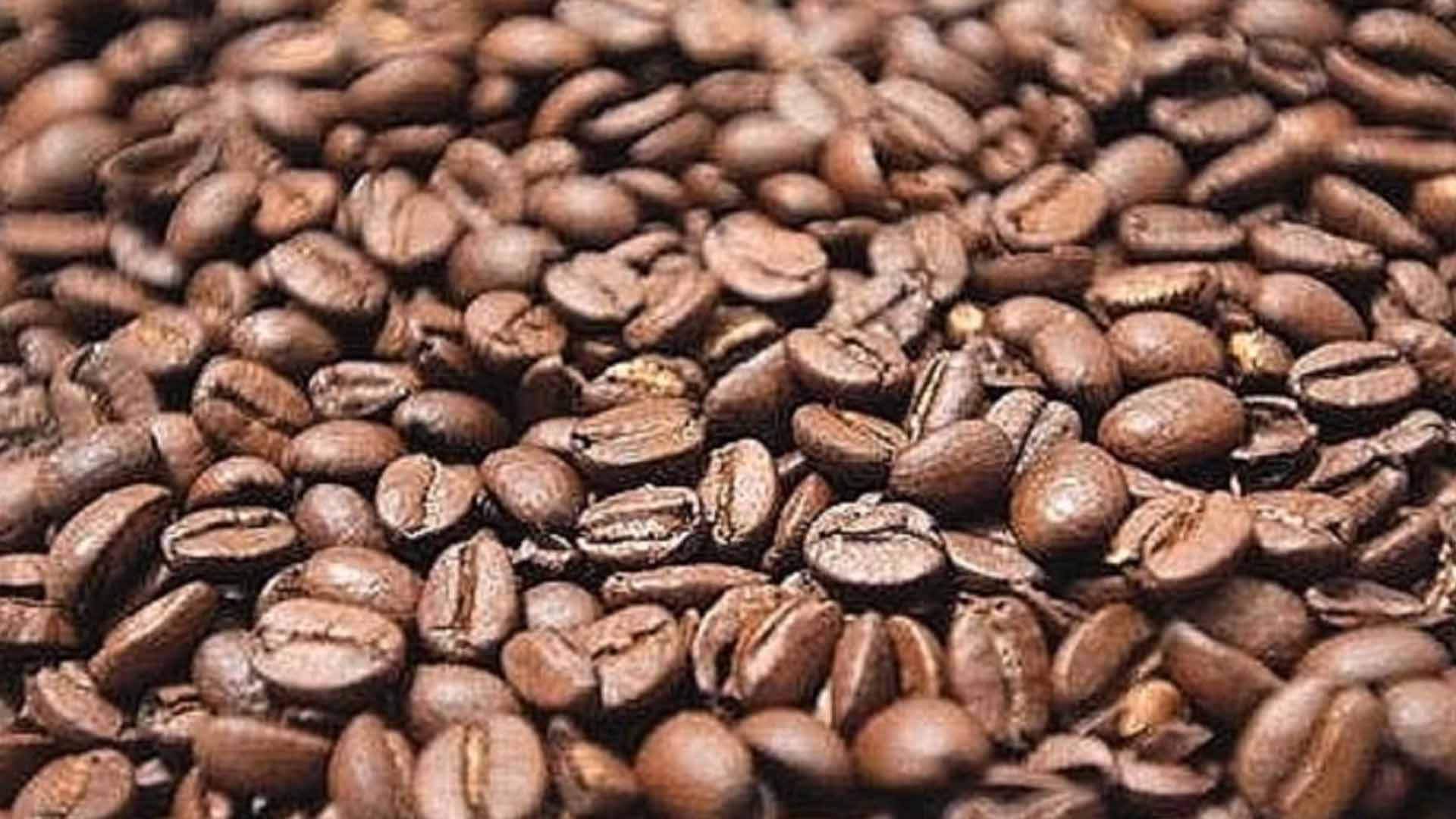
The DA identified coffee as a priority crop, with new production areas developed in Cotabato and Agusan del Sur, in Mindanao.
Supporting production alone, however, will not “materially” drop import reliance if post-harvest facilities remain weak in preventing unnecessary losses, especially during times of natural calamities, he said.
“We invest too much in milling and not enough in drying,” Navarro noted.
To address this, the DA seeks to build about 300 drying facilities with warehouses alongside mega and modular cold storage facilities within the year.
These will help extend the shelf life of rice, corn, and vegetables, which will eventually help ensure reasonable farmers’ income and maintain stable supply and market prices.
Meanwhile, Navarro said fisheries and aquaculture continue to anchor the government’s food security strategy, with policymakers viewing aquaculture expansion as one of the fastest ways to narrow protein supply gaps. (PNA)


