









The Department of Trade and Industry (DTI) emphasized on Tuesday the benefits that the proposed Blue Economy Act and the establishment of the Philippine Ecosystem and Natural Capital Accounting System (PENCAS) can bring to the economy.
During a public hearing conducted by the Senate Subcommittee on PENCAS Law and Blue Economy, DTI Undersecretary Bles Lantayona said the Blue Economy and the PENCAS can actually complement the Micro, Small and Medium Enterprises (MSME) Act and the One Town One Product (OTOP), bill which is about to become a law.
Lantayona told the panel that the proposed measures will promote sustainable economic activities and support informed decision-making for the benefit of the communities and the environment.
“The Blue Economy approach can benefit the MSMEs in the fisheries, aquaculture tourism, and maritime sector by providing opportunities for sustainable economic activities. It can support the development and growth of the MSMEs engaged in marine-related industries such as seafood processing, boat building, eco-tourism, and sustainable fishing practices,” Lantayona said, noting that PENCAS can help assess the economic value of marine resources.
Seaweed farming will also be a major beneficiary of the proposals.
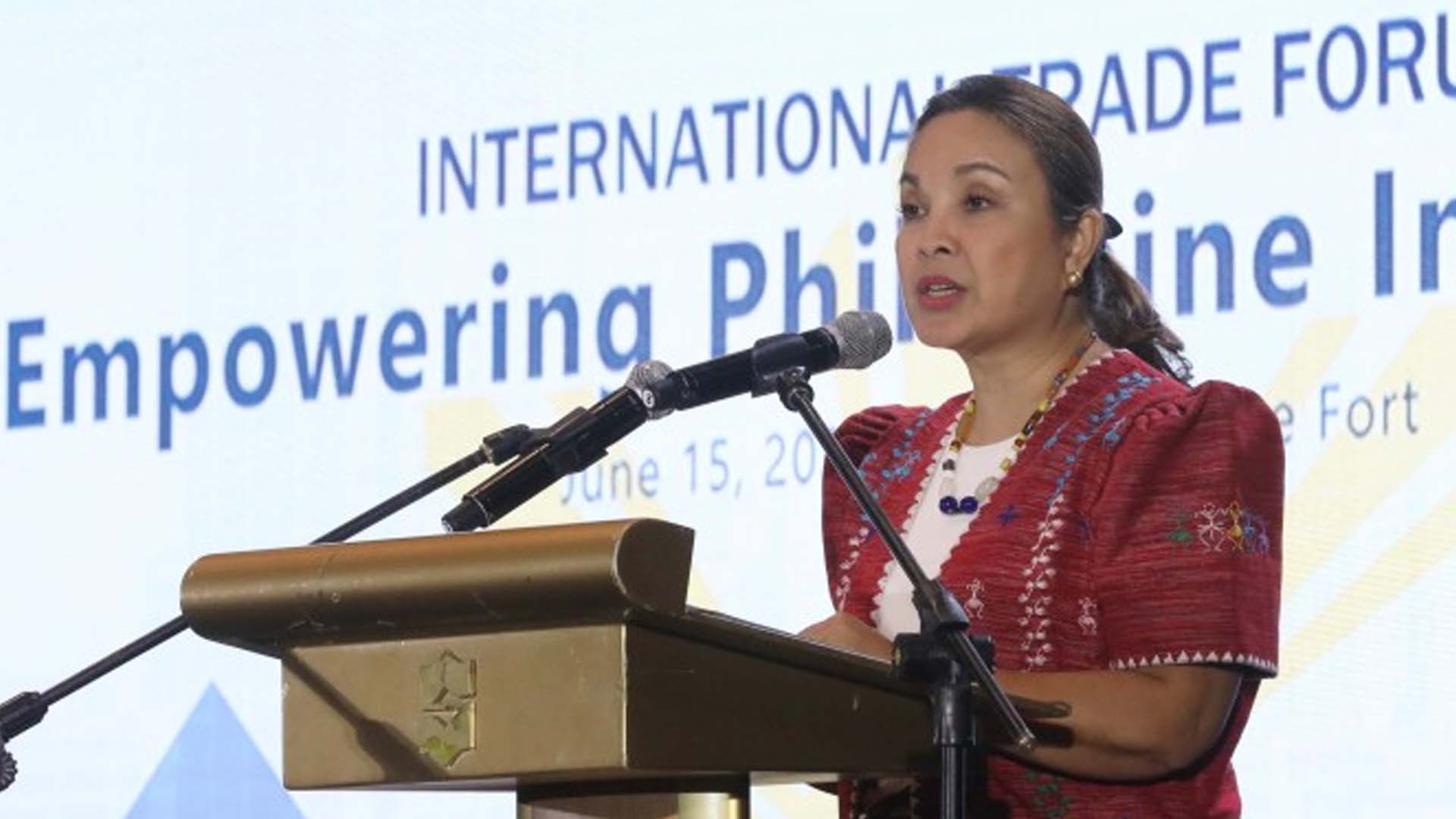
“So again, we see the connection — the livelihood of our fisherfolk who rely on seaweed farming. ‘Yun lang ang magdadala ng pagkain at trabaho sa kanila. Pero kung ang plastic na nanggaling sa lupa — sa highland, mainland, kapatagan ay itatapon sa coastlines na makakawasak, dumi, at sira sa karagatan, ano na ang maiuuwing kabuhayan ng seaweed farmers (That’s the only thing that will bring food and jobs for them. But if the plastic coming from the highland, mainland, plains will be thrown to the coastlines and destroy, pollute the ocean, what will happen to the livelihood of the seaweed farmers)?” Legarda said.
During her opening statement, the lawmaker emphasized that the current state of the country’s ecosystems as a result of climate change, habitat loss, and pollution demands decisive action.
“The PENCAS Act introduces an innovative approach that allows us to account for the value of our natural resources and ecosystems by integrating their worth into our national accounts. By doing so, we can make more informed decisions that balance economic growth with environmental protection, ensuring the long-term sustainability of our ecosystems,” Legarda explained.
“Moreover, the Blue Economy bill seeks to bolster our efforts in achieving a vibrant and sustainable blue economy. With one of the longest coastlines in the world and an abundance of marine resources, the Philippines has the potential to become a leader in blue economy development,” she added noting that this can only be realized if there will be a holistic approach in addressing the needs of the coastal communities, promotes sustainable practices, and protects the marine biodiversity.
Among others, the Blue Economy bill proposes a framework for sustainable, safe use, and development of marine wealth within maritime zones; stewardship of seas and coasts; protection and conservation of the health and resilience of marine and coastal ecosystems and habitats; preservation of maritime heritage; and enriching scientific understanding of marine and coastal ecosystems. (PNA)


