



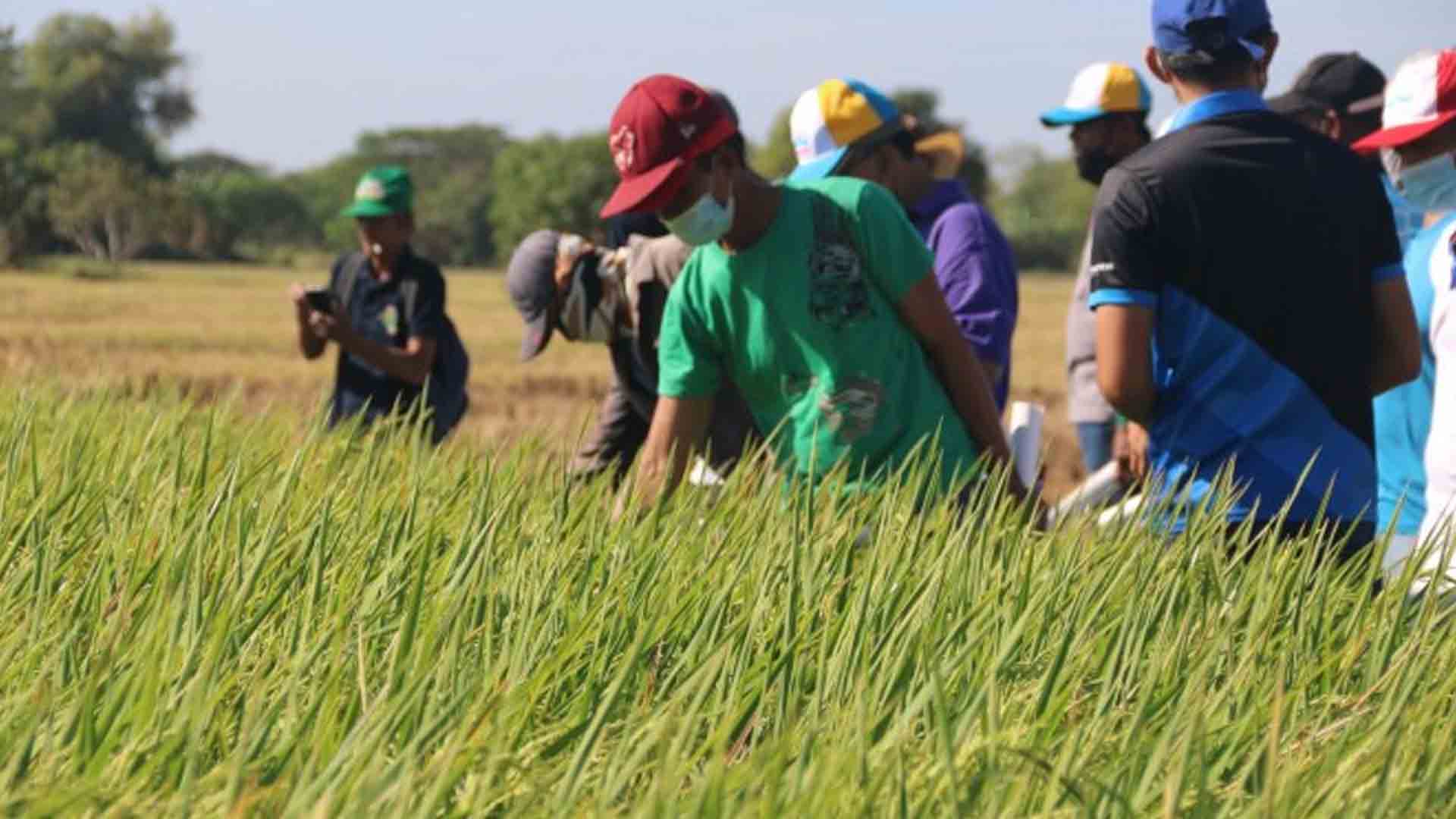






A bio-intensive farming system to be developed by the Department of Agrarian Reform (DAR) will benefit agrarian reform beneficiary organizations (ARBOs) and other farmers in Batangas.
The system will be developed through the completed solar-powered irrigation system (SPIS) in four pilot areas in the province – Barangay Jaybanga in Lobo; Barangay Bagong Silang and Escribano in San Juan; and Barangay Banilad in Nasugbu, according to a DAR news release on Friday.
It will have five project components – SPIS enhancement; land and farm development; preparation of farm production plan and budget; crop production; and institutional and capability building and development of ARBO members.
A project site validation will be conducted in January next year to determine the appropriate projects that may be appropriately implemented in the pilot areas.
DAR 4-A (Calabarzon) Director Cupido Gerry Asuncion said a pledge of commitment to support the project “Design and Development of a Sustainable Integrated Bio-Intensive Farming System for Completed SPIS projects” has been signed by other partner government agencies.
“The project aims to intensify the production of local food commodities to increase ARBOs’ income to improve the quality of life of the ARBs and residents in the area,” Asuncion said. “Through the SPIS projects and inputting of appropriate agricultural technologies and enabling mechanisms, we can maximize land utilization in a given crop year and increase the effective area of cultivation to 200 percent or more.”
The project will be jointly implemented with the Department of Agriculture, National Irrigation Administration, Bureau of Fisheries and Aquatic Resources, and local government units.
Asuncion said the project is in line with the goal of President Ferdinand R. Marcos Jr. to help achieve food self-sufficiency and food security and is anchored on the nine-point development agenda of DAR Secretary Conrado Estrella III for the next six years. (PNA)


