



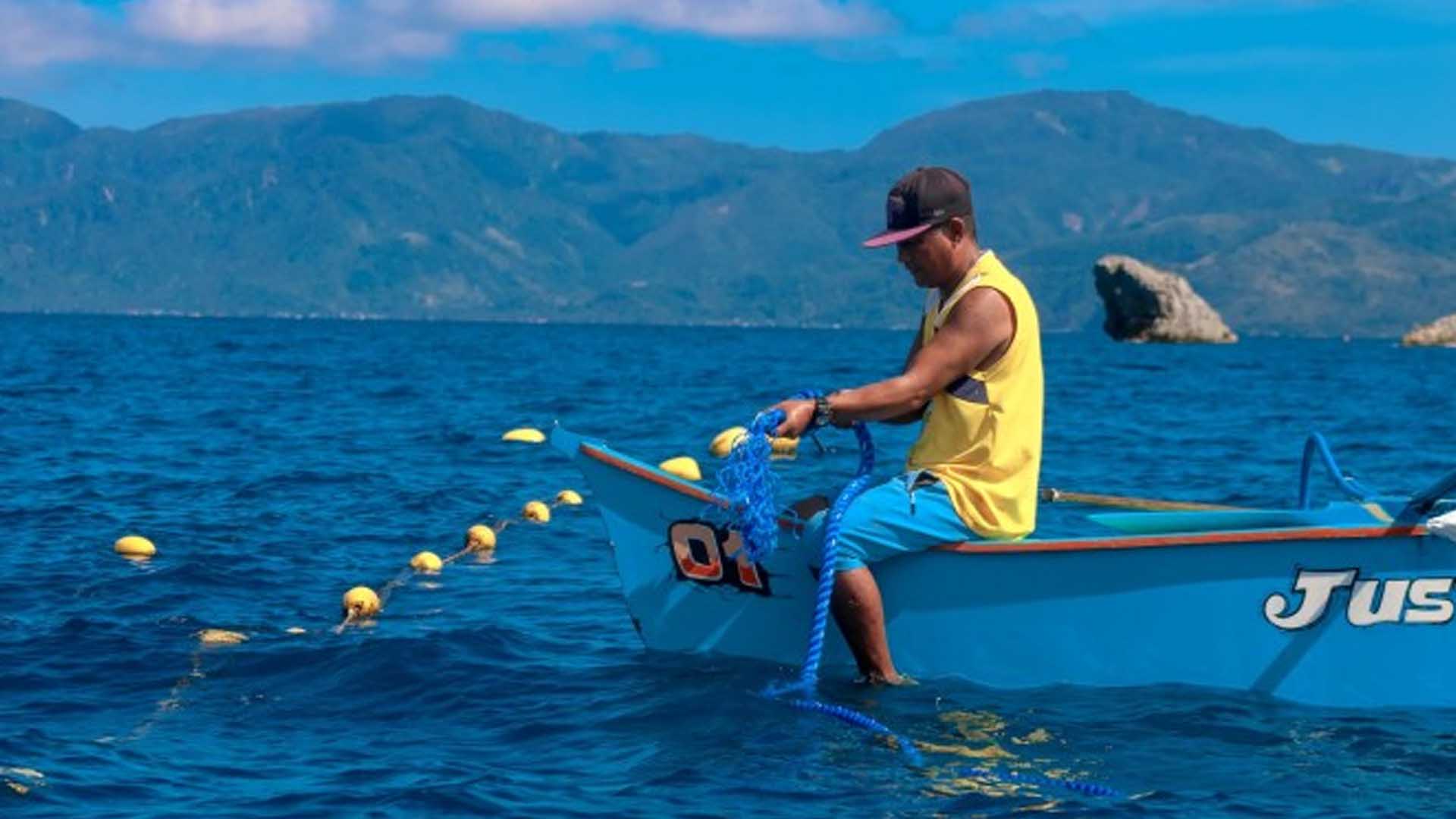






The first-ever collaboration project of the Department of Agriculture – Bureau of Fisheries and Aquatic Resources (DA-BFAR) and the World Bank is set to be implemented in August.
In a statement Tuesday, the bureau reported that the seven-year Philippine Fisheries and Coastal Resiliency (FishCoRe) Project, has a total funding of US$209 million (PHP11.42 billion).
The undertaking is set to provide multiple fisheries interventions to enhance both ecosystem and community resilience and benefit over 1.15 million fisherfolk, small to medium enterprises, other fisheries stakeholders, and residents in coastal communities across 11 regions and 24 provinces in the country.
“We thank the World Bank and all our partner national government agencies for helping us prepare for the eventual implementation of the FishCoRe project,” BFAR director Demosthenes Escoto said.
“This project is a holistic approach which confronts from all sides the various long-standing issues being faced by the fisheries sector; from ensuring the sustainability of our fisheries and coastal resources for food security, to enabling maximized benefits of our fisherfolk towards poverty reduction through improved management on all facets to ensure a robust and resilient fisheries sector,” he added.
The project was approved by the WB’s Board of Executive Directors on May 30.
Despite its importance and the already existing programs and measures implemented by the government, this sector has continuously been at the receiving end of challenges and threats to its sustainability such as illegal, unreported, and unregulated fishing, declining fish catch, high post-harvest losses, and widespread poverty in the fishing communities.
These issues are exacerbated by emerging challenges such as natural calamities and climate change.
The FishCoRe project eyes to address these challenges through the adoption of the ecosystem-based approach to fisheries management (EAFM), therefore enhancing the value of fisheries production and elevating income in coastal communities through science, knowledge and technology.
Specifically, the project will support the development and implementation of appropriate fisheries management policies, improve institutional capacities for strengthened law enforcement, establish support facilities for the rehabilitation of coastal and marine habitats, and other necessary investments to balance increasing productivity while conserving the country’s natural resources.
It also aims to develop aquaculture and fisheries enterprises in aqua-industrial business corridors through subprojects like satellite multi-species hatcheries, offshore mariculture in climate-resilient cages, postharvest handling and fish/shellfish processing, with packaging and labeling intervention, and provision of climate-resilient technologies, and storage house for dried seaweed production, among many others.
The project also seeks to develop and diversify fisherfolk livelihood through various technologies like integrated multi-trophic aquaculture (IMTA), community-based nursery production of sea cucumber, abalone, sea urchin, aquasilviculture, stock enhancement activities and the like.
Also, the development of infrastructure such as fish landing sites, fish ports, cold storage, and mobile laboratory facility and equipment is another priority of the project.
The BFAR noted that the undertaking will be implemented in two Fisheries Management Areas (FMA) — the FMA 6 and 9 or the major fishing grounds on the northwest coast of Luzon, and in archipelagic waters between the Visayas and Mindanao.
These two FMAs were selected after a two-stage selection process where all twelve FMAs were assessed based on a set of criteria drawn and agreed upon by the Department of Agriculture and BFAR and submitted to the World Bank in the early stages of preparation.
Fisheries is a key sector in the economy that contributed 12.81 percent to the country’s total agricultural Gross Value Added in 2022.
Currently, it provides livelihood to about 1.49 million individuals in the country.
Filipinos mostly consume fish and fishery products, constituting 11.68 percent of each person’s total food intake, next only to rice and rice products. (PNA)


