










Australian Prime Minister Anthony Albanese launched its economic strategy to bolster trade and investments with Southeast Asian nations, including the Philippines, by 2040.
Albanese presented the report Wednesday in Jakarta, Indonesia on the sidelines of Association of Southeast Asian Nations (ASEAN) meetings.
A report for the Australian government by Australian Special Envoy to Southeast Asia Nicholas Moore AO, “Invested: Australia’s Southeast Asia Economic Strategy to 2040” outlines required actions to realize commercial potentials between Australia and Southeast Asia, which include raising awareness, removing blockages, building capacity and deepening investment.
“The strategy we outline today reflects an enduring truth: this is where Australia’s economic destiny lies,” Albanese said in his speech at the ASEAN Indo-Pacific Forum.
“In 2022, ASEAN accounted for nearly 15 percent of Australia’s overall trade —greater than our two-way trade with Japan or the US. But Australia’s economic engagement with the region has not kept pace with the growth of Southeast Asian economies. Australia should be a larger trade and investment partner for Southeast Asia,” he added.
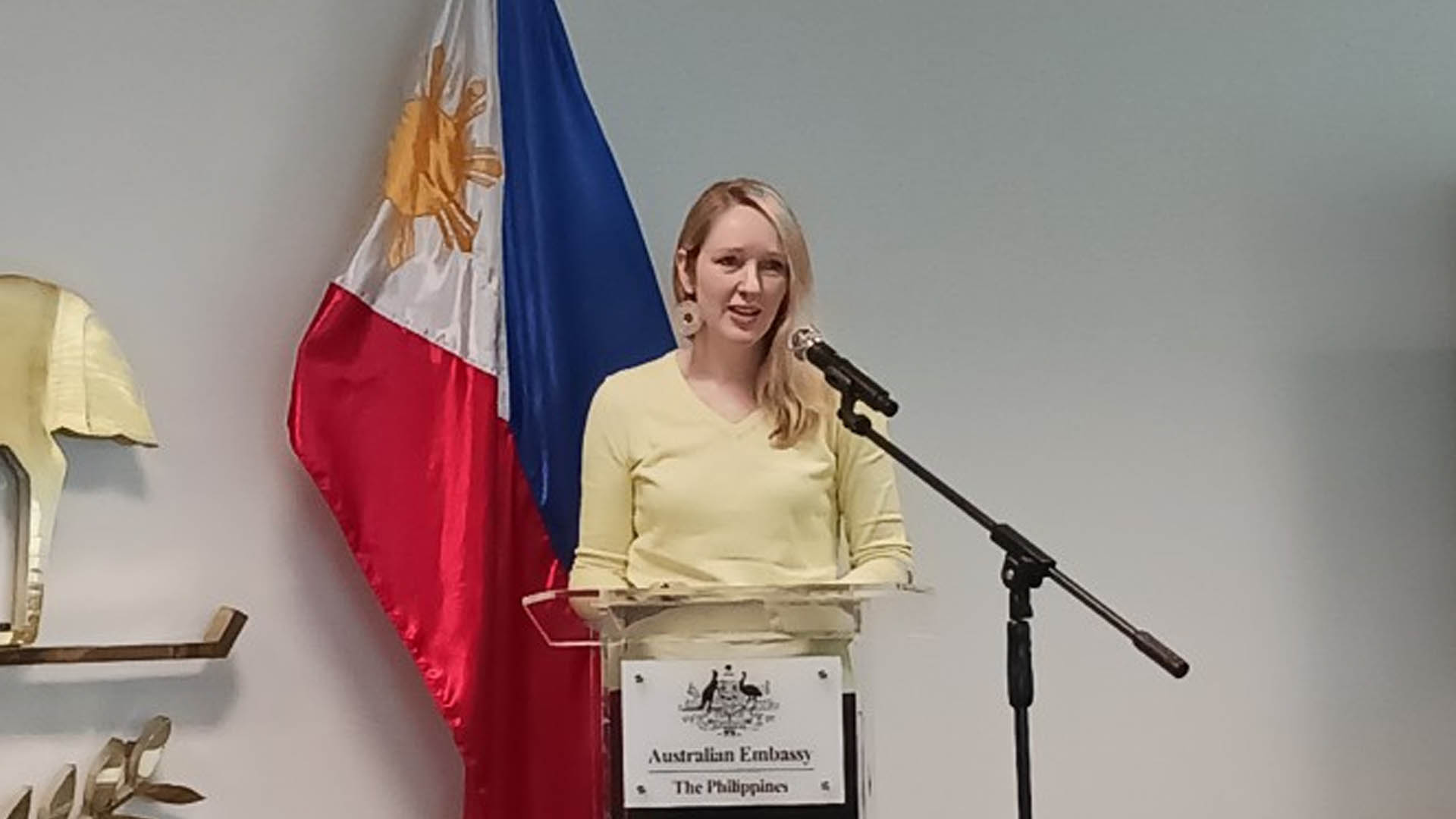
In a press conference at the Australian Embassy here before the launch of the report, Australian Embassy in the Philippines Deputy Head of Mission Moya Collet said Southeast Asia’s share in Australia’s total trade for the past 20 years did not expand.
She said the region only gets 3.4 percent of Australia’s total investments overseas.
To grow Australia’s trade and investment in Southeast Asia, its economic strategy for the region focuses on 10 priority sectors, such as agriculture and food, resources, green energy transition, infrastructure, education and skills, visitor economy, healthcare, digital economy, professional and financial services, and creative industries.
Collet said these 10 priority sectors are all applicable in the Philippines, and the country should realize improving trade and investments with Australia with the launch of the strategy.
“A key finding of the Strategy is that Australia’s trade and investment with Southeast Asia could be more substantial,” Collet said at the Embassy on Tuesday. “And the Philippines, this is definitely the case: we have a huge potential for growth in the two-way trade and investments.”
The economic strategy projected that the region will surge its gross domestic product (GDP) by 383 percent between 2022 and 2040 from USD3.6 trillion to USD13.86 trillion, with Indonesia expected as the largest economy in the region, followed by Thailand and Vietnam.
The report also forecast that the Philippines will have the second largest number of households with disposable income of more than USD15,000 per annum by 2040, jumping from 5.6 million households in 2022 to 30.2 million households in 2040.
“It’s all about harnessing the potential of Southeast Asia’s economic dynamism, as Southeast Asia is one of the world’s fastest-growing regions. According to the analysis we have received, the region has a compound average growth rate of 4 percent through 2040, while other developed economies grow at 1 to 2 percent at most. So we really recognize the deep potential in Southeast Asia, and the Philippines is a big part of this,” Collet added. (PNA)


