



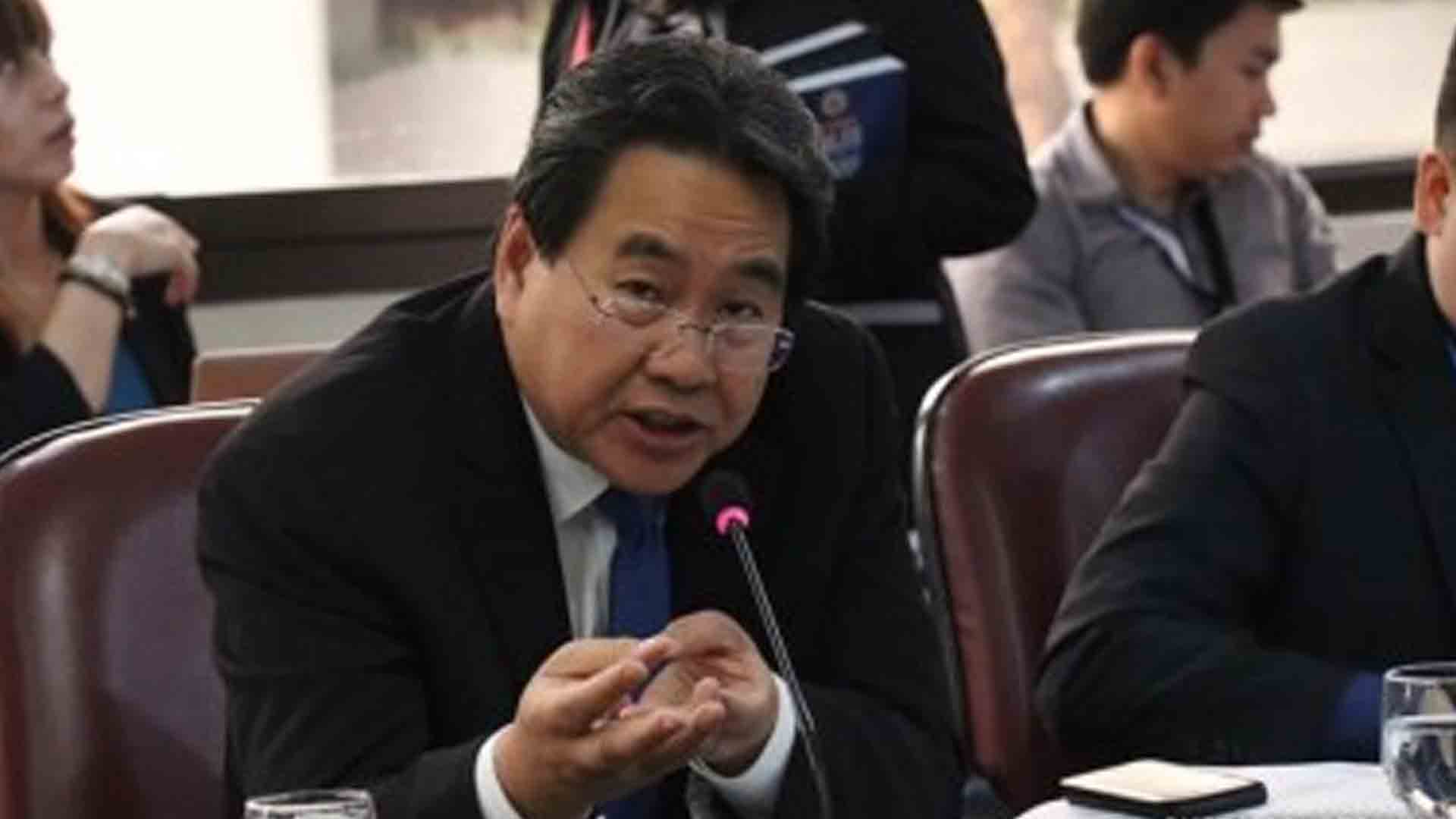






A lawmaker at the House of Representatives has filed a resolution urging the government to allow the private sector to acquire and purchase coronavirus disease (Covid-19) vaccines for their employees and their families.
Deputy Speaker Rufus Rodriguez filed on January 5 House Resolution 1453, which invokes the “right to health” of every Filipino as guaranteed by the Constitution.
Rodriguez also filed a companion measure, House Bill 8301, that would exempt vaccines to be purchased by the private sector for their workers and dependents from import duties, value-added tax, excise tax, and other fees.
Rodriguez said the PHP72.5 billion set aside in the 2021 national budget for Covid-19 vaccines is not enough for all Filipinos, noting that such allocation is estimated to cover only 30 percent to 50 percent of the country’s population.
He argued that this estimated figure is far from the 70 percent-80-percent herd immunity level the Department of Health wants to achieve.
He said the private sector must be allowed to procure vaccines to help the government attain the goal of herd immunity.
“Many private companies have expressed interest in acquiring and purchasing vaccines for their employees and their dependents to move towards higher productivity and income for their personnel,” Rodriguez said.
He said that if allowed, these companies would have to import vaccines approved by the Food and Drug Administration, and would have to abide by relevant rules and regulations.
“A proper vaccination program for the private sector will significantly aid the government in its pursuit to fight Covid-19 and its effects, and in regaining some semblance of normalcy with businesses bouncing back and ultimately placing the economy on its way to recovery,” he said.
Rodriguez cited that several business and industry leaders have earlier committed to purchase 2.6 million doses of vaccines from AstraZeneca, half of which will be for their workers and the other half will be donated to the government. (PNA)


