



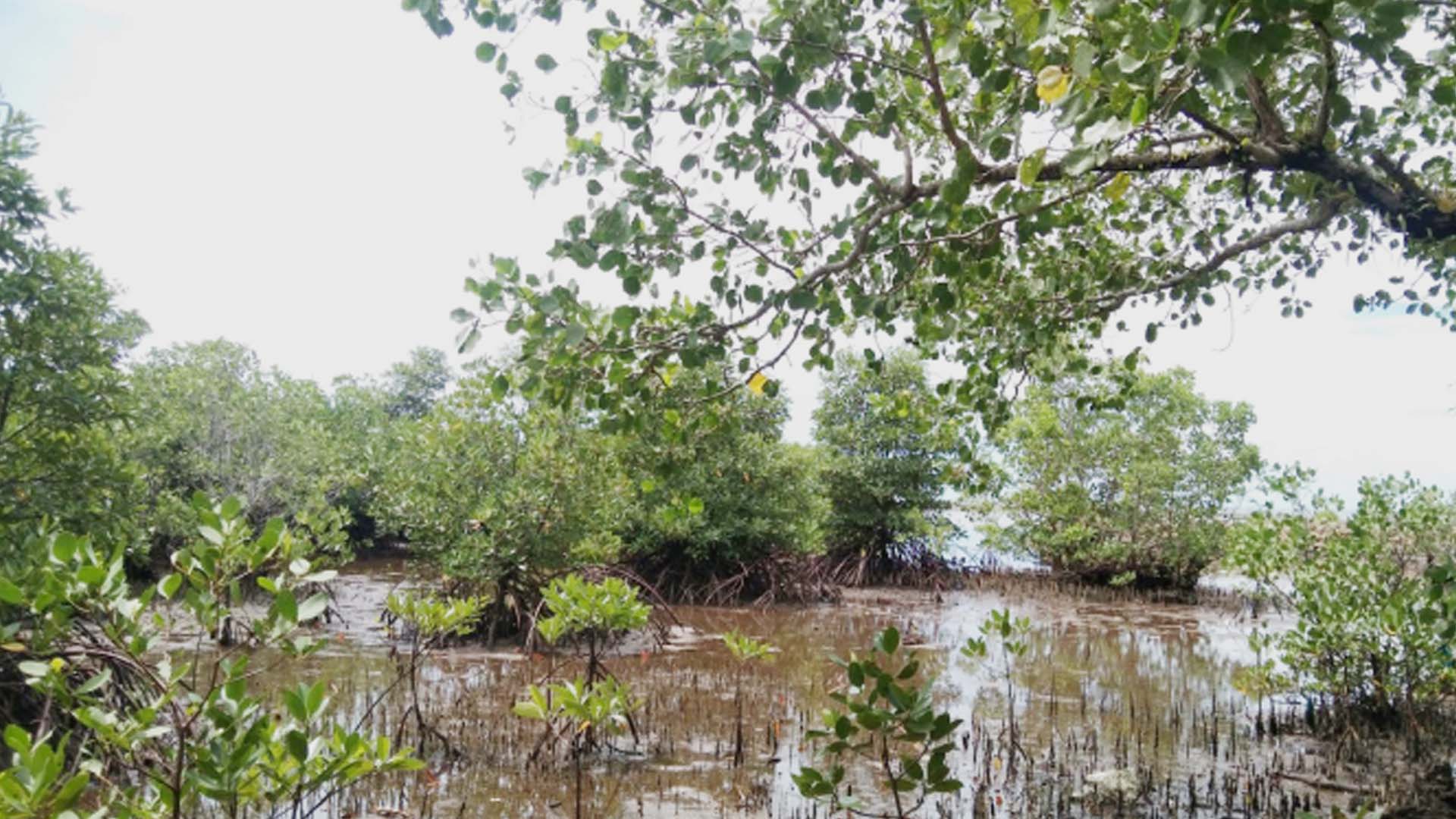







The National Greening Program (NGP) reached a major milestone after successfully covering 178,425 hectares of reforestation areas in Eastern Visayas as of the end of 2025.
Department of Environment and Natural Resources (DENR) senior forester Julie Cruzada, the regional NGP coordinator, confirmed Wednesday that the region has fully achieved its planting target under the flagship program.
Among the provinces, Samar recorded the largest reforested area with 44,557 hectares, followed by Eastern Samar with 42,133 hectares and Leyte with 35,735 hectares. Northern Samar contributed 34,718 hectares, Southern Leyte added 15,835 hectares, and Biliran covered 5,448 hectares.
Cruzada said land cover data from 2020 shows areas previously classified as grasslands have already transitioned into forested zones.
“If we examine the NGP plantations in the land cover data, we can see that there are grasslands that have become forest because of the program,” she told the Philippine News Agency.
While the planting phase concluded in December 2025, efforts from 2026 until 2028 will focus on the maintenance and protection of established plantations.
Cruzada said new plantations require at least three years of nurturing to ensure survival.
A key feature of the NGP is its partnership with local communities. People’s organizations (POs) manage and protect reforestation sites, while individual farmers and families serve as stewards in areas without organized groups.
Third-party validators from the private sector are currently assessing “graduated sites” to determine the actual survival and maturity rates of the trees.
Despite the program’s scheduled conclusion in 2028, Cruzada said reforestation will continue under future initiatives.
The NGP primarily targets timberland and forest lands, with additional bamboo plantations established along river easements for slope protection and erosion control. Launched in 2011, the program aims to restore forest cover and provide livelihood opportunities while addressing climate change. (PNA)


