



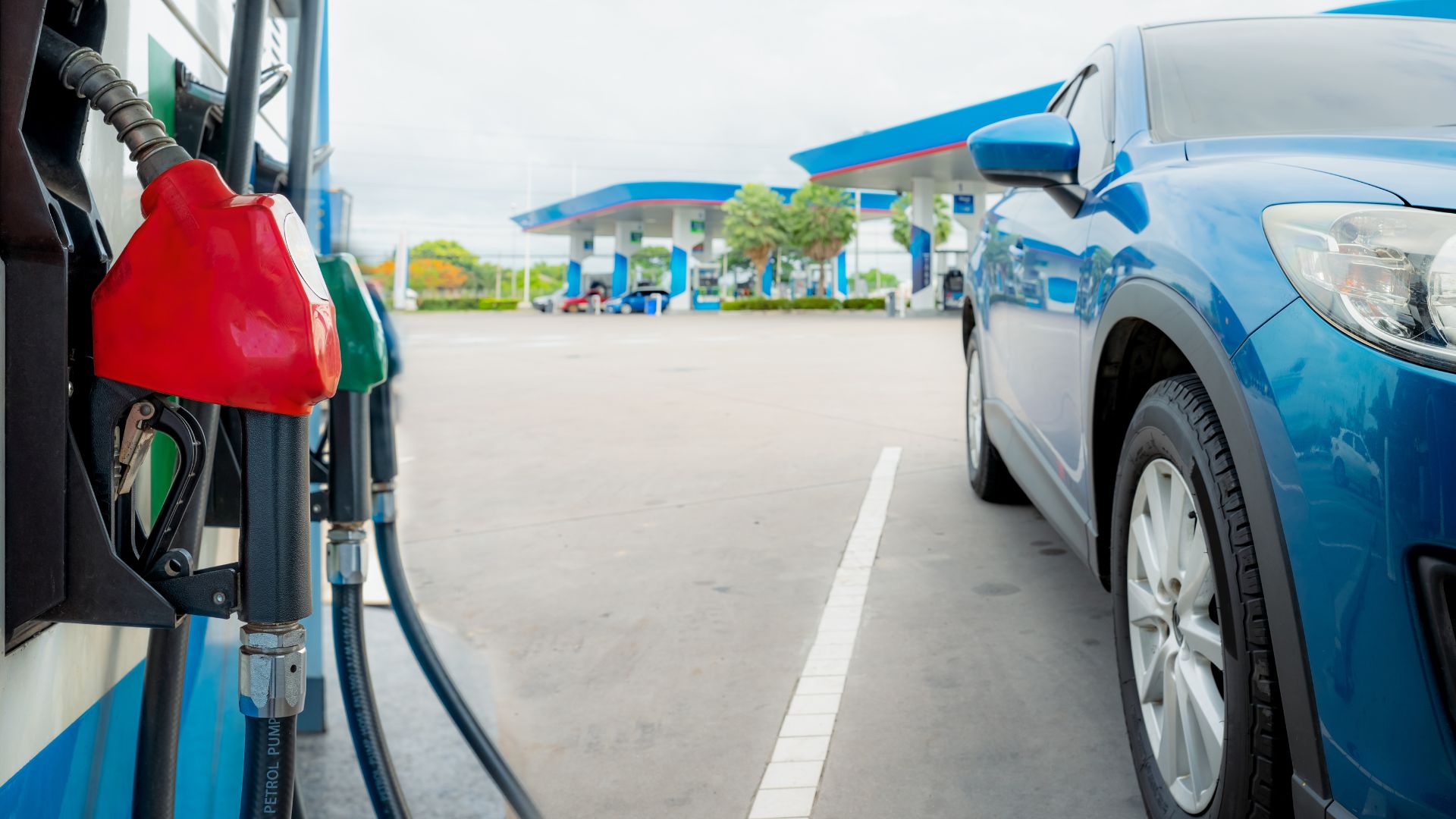






For most Filipinos, the pump is not just a refueling stop. It is a barometer of economic anxiety. And right now, the needle has never pointed higher.
As of March 10, 2026, major oil companies have begun implementing the steepest week of fuel price adjustments the country has seen in recent memory. Shell is raising gasoline by ₱8.75 per liter, diesel by ₱24.25 per liter, and kerosene by ₱36 per liter. Total, Petron, Caltex, Jetti, Seaoil, and Unioil are following with their own double-digit hikes, spread across three days at the government’s request. It marks the ninth consecutive week of gasoline increases, and the eleventh straight week for diesel and kerosene.
A Crisis Made In The Middle East
The trigger is global. U.S. and Israeli strikes on Iran that began February 28 sent WTI crude futures surging from $72 to $108 per barrel in a single weekend. Iran’s closure of the Strait of Hormuz, through which 20% of world oil supply passes, has rattled Asian markets. The Philippines is especially exposed: it imports 30% of its diesel from China, which has suspended new petroleum export contracts, and 40% from South Korea. The DOE is now scrambling to source at least one million barrels from Japan, Singapore, Malaysia, and Indonesia.
From The Road To The Dinner Table
After this week’s hikes, motorists could face gasoline as high as ₱86.93 per liter and diesel near ₱94.43, uncharted territory. The impact goes beyond the pump: diesel price spikes hit logistics, public transport, and fishing fleets. Kerosene, vital for rural households, is also surging. The Energy Regulatory Commission has flagged the risk of higher electricity rates, as the country’s power mix relies heavily on coal and LNG, both subject to the same global pressures.
Inflation, The Peso, And Slower Growth
MUFG Research estimates that every $10 per barrel oil price increase cuts Philippine GDP growth by 0.2 percentage points and raises inflation by 0.6 percentage points. With WTI above $100, GDP could fall to 3.7% in 2026, below the earlier 4% forecast. The peso is also vulnerable, with USD/PHP potentially breaching 60 if the conflict persists. Bank of the Philippine Islands economist Jun Neri offered measured optimism: “If, suddenly, the conflict stops, that could lead to a very sharp decline in oil prices.” But that outcome rests on events beyond Manila’s control.
Government Moves To Cushion The Blow
President Marcos Jr. is weighing a temporary suspension of excise taxes on fuel. The government has also announced subsidies for transport operators, farmers, and fisherfolk, and free bus rides in affected areas. The PNP deployed nationwide monitoring teams, while the Bureau of Customs formed a task force to oversee oil depots. In Tagum City, a station caught prematurely raising diesel prices by ₱8.35 was ordered to revert immediately. Energy Secretary Sharon Garin also called on the public not to hoard: “Let’s not panic. Supply is not an issue. It’s a matter of price.”
Whether relief comes depends almost entirely on how the Middle East conflict unfolds. For now, the millions of Filipinos who feel every peso-per-liter increase, whether they drive a jeepney, fish the Sulu Sea, or simply buy rice from the market — the wait is already too long.


