



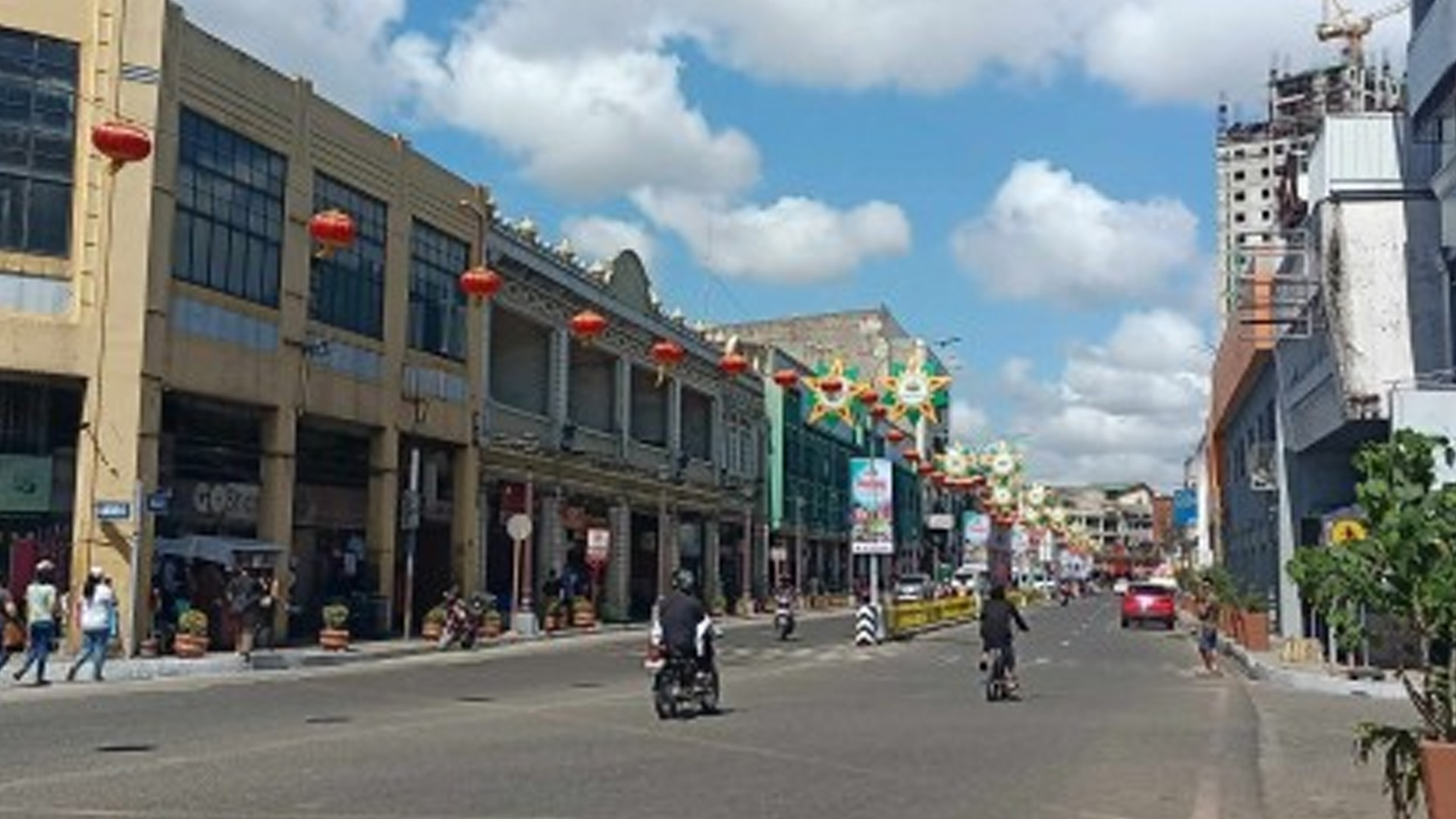






Senator Loren Legarda is pushing for the passage of a measure seeking to grant incentive mechanisms to privately owned heritage buildings and ancestral houses.
Senate Bill No. 1852, or the “Strengthening the Conservation and Protection of Philippine Cultural Heritage Through Heritage Incentives,” aims to address the high cost of conservation, restoration, and maintenance, which are key factors behind the deterioration or loss of many historic structures.
The proposed measure will grant tax credits for ownership transfers and the restoration of Grade I (world heritage sites, national cultural treasures, national historical landmarks, national historical shrines, national historical monuments); and II (declared important cultural properties, natural properties of cultural significance covered by or located within a protected area under the Expanded National Integrated Protected Areas System (ENIPAS) Act, declared archaeological sites, heritage houses, historic sites, heritage trees, heritage zones, other marked structures, and all Gabaldon school buildings) structures, as well as real property tax exemptions for these grades.
It also allows local governments to extend exemptions to Grade III (all other cultural property and natural property of cultural significance not covered by or located within a protected area under the ENIPAS Act in the Philippine Registry of Heritage (PREH), including those declared by LGUs) structures.
Additional incentives include exemptions from income tax, import duties, and value-added tax (VAT) for eligible conservation activities.
The bill also establishes a Cultural Property Incentive Program covering declared heritage structures and ancestral houses.
It introduces a package of fiscal incentives designed to make conservation financially feasible for owners and stewards of cultural properties, providing grants and facilitating access to financing and loan windows through government financial institutions.
In a news release Monday, Legarda said the preservation of the country’s built heritage is a duty to safeguard the tangible expressions of the Filipino people’s collective memory, identity, and history.
“Our built heritage is often lost not to neglect, but to unaffordable upkeep. This bill eases the tax and cost burden on owners who meet conservation standards, making restoration feasible,” she said.
“The bill recognizes that heritage protection cannot rest solely on regulation and enforcement. It must be supported by positive incentives that mobilize both public and private stakeholders toward a common goal: the preservation of our built heritage for future generations.” (PNA)


