








Locked Out: How Michelle Enriquez Fought To Save DIY Travel Philippines

Michelle Enriquez’s story shows how years of trust-building online can be threatened in minutes when platforms leave community leaders without human support.

What Achieving Financial Independence Looks Like For Filipinos

Financial independence for Filipinos is more than having savings; it is about building security for health, family, and the future.

From Leadership To Architecture: The Next Decade Of Reputation

Dr. Ron F. Jabal frames reputation as architecture, where organizations must design systems that earn trust beyond visibility and communication.

The Community Behind The Community: How DIY Travel Philippines Built Trust At Scale

DIY Travel Philippines shows how a travel group can grow without losing the trust, respect, and purpose that brought members together.

DSWD-11 Targets 100 Beneficiaries For Street Outreach Program

With 100 new beneficiaries targeted, DSWD-11 expects to further expand the reach of its street outreach services this year.

DSWD-11 Targets 100 Beneficiaries For Street Outreach Program

2577
2577

How do you feel about this story?

Like
Love
Haha
Wow
Sad
Angry

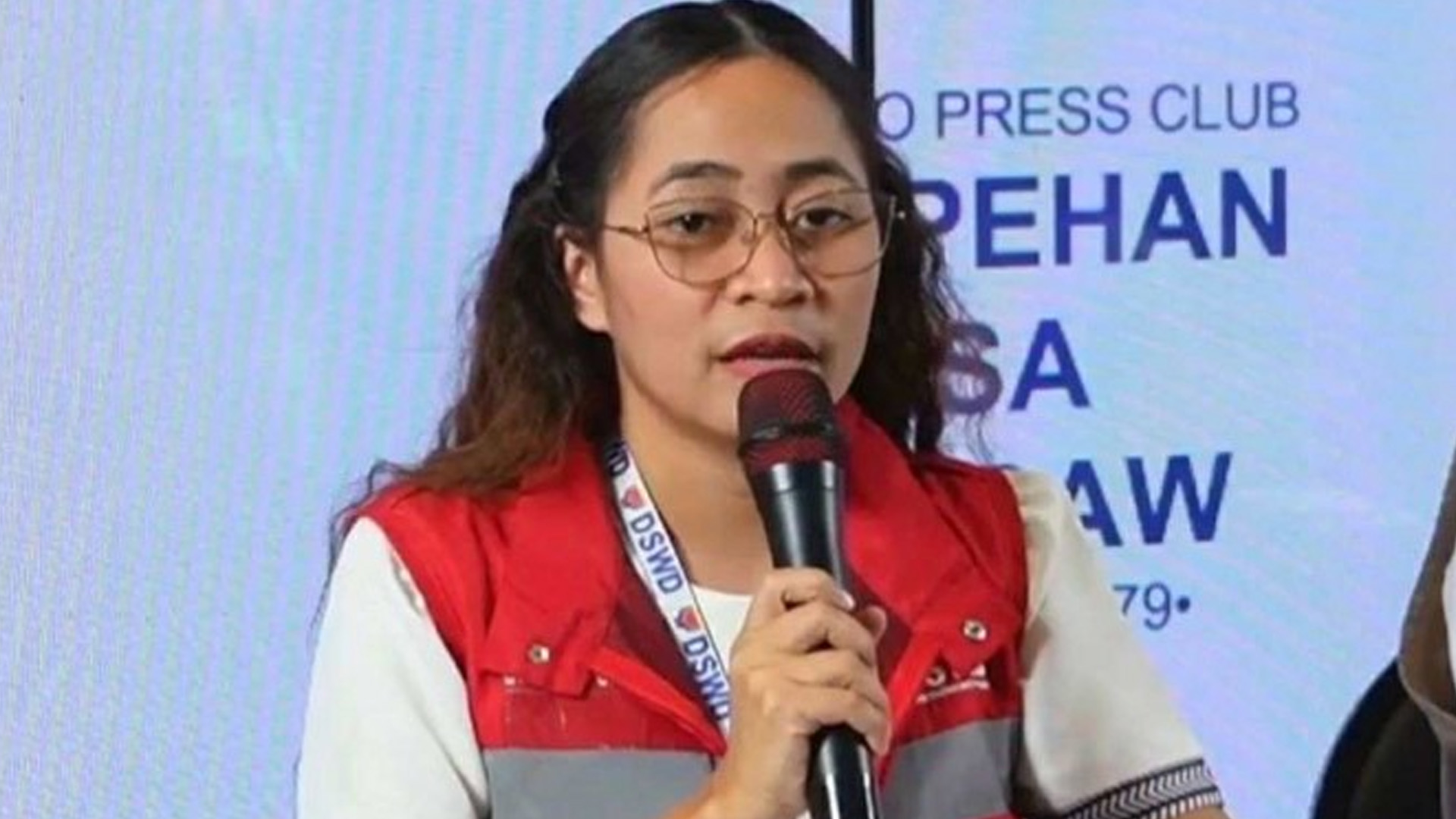
The Department of Social Welfare and Development (DSWD) in Davao Region (Region 11) said Monday its “Pag-Abot” outreach program served 189 vulnerable individuals last year and aims to assist about 100 more this year.

DSWD-11 social work officer Rovie Love Joy Belaya said the PHP9 million program provides a multidisciplinary approach to assist children, individuals, and families in street situations.

“Pag-abot has comprehensive social protection packages, and the beneficiaries were assessed by our social workers on what suitable intervention fits their skills and conditions,” Belaya said in a press briefing.

She said assistance includes transport, financial aid, shelter, psychosocial support, livelihood and employment aid, determined after social worker assessments.

In December 2025 alone, the program helped reintegrate 28 indigenous people in Davao del Norte and 56 individuals in the Caraga Region back to their communities.

“The first thing that we do when they resist being reached out (to) is educate them, so that they will be aware of the essence of being home for their safety and security,” Belaya added. (PNA)

