



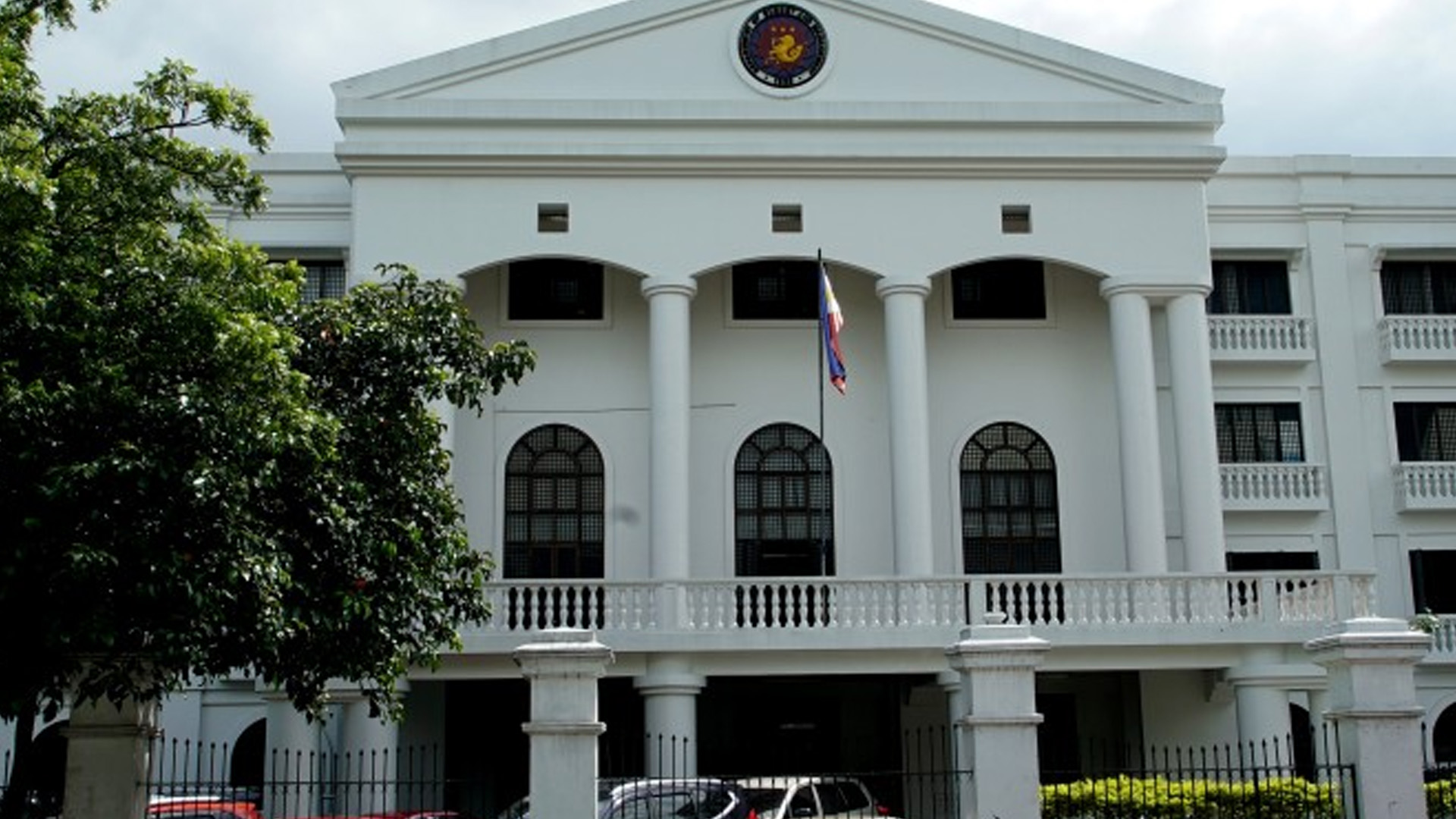






The government has begun implementing the third tranche of salary increases for civilian government personnel starting Jan. 1, 2026, following the issuance of National Budget Circular (NBC) No. 601 by the Department of Budget and Management (DBM).
DBM said the circular carries out Executive Order (EO) 64, series of 2024, which mandates a four-tranche salary adjustment program from 2024 to 2027 to ensure a competitive and sustainable Compensation and Position Classification System for civilian government workers.
DBM Acting Secretary Rolando Toledo said the move is a fulfillment of President Ferdinand R. Marcos Jr.’s promise to state workers.
“The third tranche of the salary increase reflects the President’s firm belief that those who serve the public deserve fair compensation that allows them to care for their families and live with dignity,” Toledo said in a statement Monday.
The salary hike covers all civilian government personnel, regular, casual, or contractual; appointive or elective; and full-time or part-time, in the executive, legislative and judicial branches, constitutional bodies, state universities and colleges and government-owned or -controlled corporations not covered by separate compensation systems.
Excluded from the coverage are military and uniformed personnel, GOCCs governed by a Compensation and Position Classification System approved by the Governance Commission for GOCCs, and individuals hired without employer-employee relationships such as job order workers, contract-of-service personnel and consultants.
Under the circular, salaries of incumbent personnel will be adjusted to the third tranche rates corresponding to their salary grades and steps as of Dec. 31, 2025.
New hires and casual or contractual personnel will receive salaries at Step 1 of the applicable salary grade, while compulsory retirees with approved service extensions beyond Dec. 31, 2025 will also be entitled to the increase, subject to guidelines.
DBM said funds needed to implement the third tranche are already provided under the 2026 General Appropriations Act, with agencies charging the increases against their approved Personnel Services budgets and corporate operating budgets, as applicable.
“These increases are meant to be felt at home,” Toledo said.
“They will help cover daily expenses from food, transportation, schooling to healthcare and give our employees and their families greater financial stability.” (PNA)


