



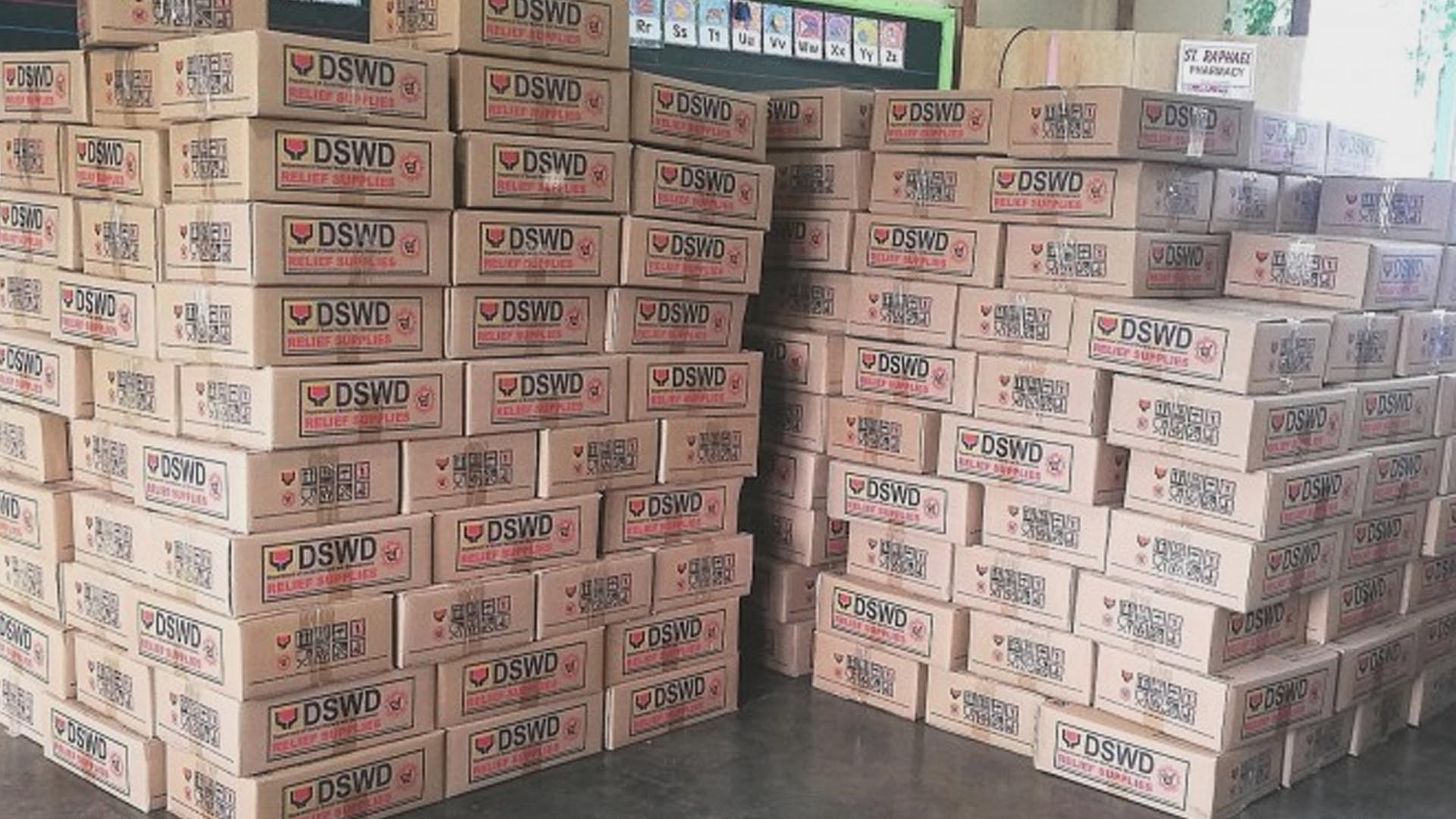






The Department of Social Welfare and Development–Cordillera Administrative Region (DSWD-CAR) has urged all municipalities in the region to establish warehouses for the prepositioning of government relief and humanitarian supplies to ensure faster access during disasters and emergencies.
“We encourage them to please establish a warehouse so that we can preposition DSWD relief items in their municipalities for easier access during calamities,” DSWD-CAR Regional Director Maria Aplaten told the Philippine News Agency (PNA) in an interview on Monday.
Aplaten said there are still 13 local governments that have yet to put up a warehouse or sign a memorandum of agreement with the DSWD for the prepositioning of relief goods.
These include two municipalities in Abra, one in Apayao, three in Benguet, two in Mountain Province, and five in Kalinga.
All municipalities in Ifugao, she said, have already completed their agreements with DSWD-CAR.
Aplaten said DSWD warehouses must meet specific standards: adequate space to store supplies for at least one-third of households; protection from rodents, insects, and water intrusion; and the designation of an accountable staff member to safeguard the goods, monitor stock levels, check expiration dates —which must be at least three months ahead— and ensure that no supplies are damaged or wasted.
“We are never happy when even a single box is damaged. We have handling requirements to ensure that all items, including the packaging, reach beneficiaries in good condition,” she said.
She added the DSWD routinely prepositions supplies ahead of the typhoon season and maintains readiness throughout the year, particularly in disaster-prone areas.
“Our region is susceptible to landslides, and road blockages can delay delivery of humanitarian supplies. That is why it is important to have items already prepositioned and accessible anytime,” Aplaten said.
Aplaten also appealed to local governments to recognize the importance of having prepositioned goods and to allocate appropriate storage areas for their constituents’ benefit.
Relief items nearing the three-month expiration window —such as family food packs and ready-to-eat meals— are utilized through the local government’s “Food-for-Work” program to avoid wastage.
In a separate message, DSWD disaster risk reduction and management focal person Novelle Ongat said the agency also encouraged far-flung and hard-to-reach barangays to establish their own warehouses so they can also receive prepositioned supplies.
“There are villages that require hours of walking to reach, and it is important that communities have ready supplies in case of any eventuality,” Ongat said. (PNA)


