









The New Math Of Fuel Value: Why Smart Drivers Look Beyond Pump Price

Caltex puts engine cleanliness, fuel quality, and dependable performance at the center of its approach to helping drivers maximize every refill.

What’s In Store At Noel Bazaar 2026: A Modern Paskong Pinoy Experience

Noel Bazaar 2026 brings together holiday shopping, Filipino Christmas traditions, live performances, and family activities across two venues.

From Access To Agency: How Tala’s Philippine Experience Is Shaping Its ASEAN Vision

Tala is using nearly a decade of experience in the Philippines to shape its broader vision for responsible credit access across ASEAN.

Nestlé Group CEO Underscores The Strategic Importance Of The Philippines To The Company’s Growth

Nestlé Group CEO Philipp Navratil highlights the Philippines as one of the company’s most important growth markets worldwide.
X

The Philippines Misses The Manufacturing Supply Chain Boom

Southeast Asia’s manufacturing sector is booming, but the Philippines has yet to secure a strong position in the regional supply chain.

The Philippines Misses The Manufacturing Supply Chain Boom

1,771
1,771

How do you feel about this story?

Express Your Reaction
Like
Love
Haha
Wow
Sad
Angry

Southeast Asia is fast becoming a global manufacturing hub, but the Philippines is lagging behind. Between 2020 and 2024, greenfield investments in supply chain-driven manufacturing across ASEAN rose by about twenty percent to forty-one billion dollars.

Thailand, Malaysia, and Viet Nam now dominate the production of semiconductors, electronics, and electric vehicles. These countries have been able to attract large-scale projects because of efficient logistics, a stable energy supply, and strong industrial policy.

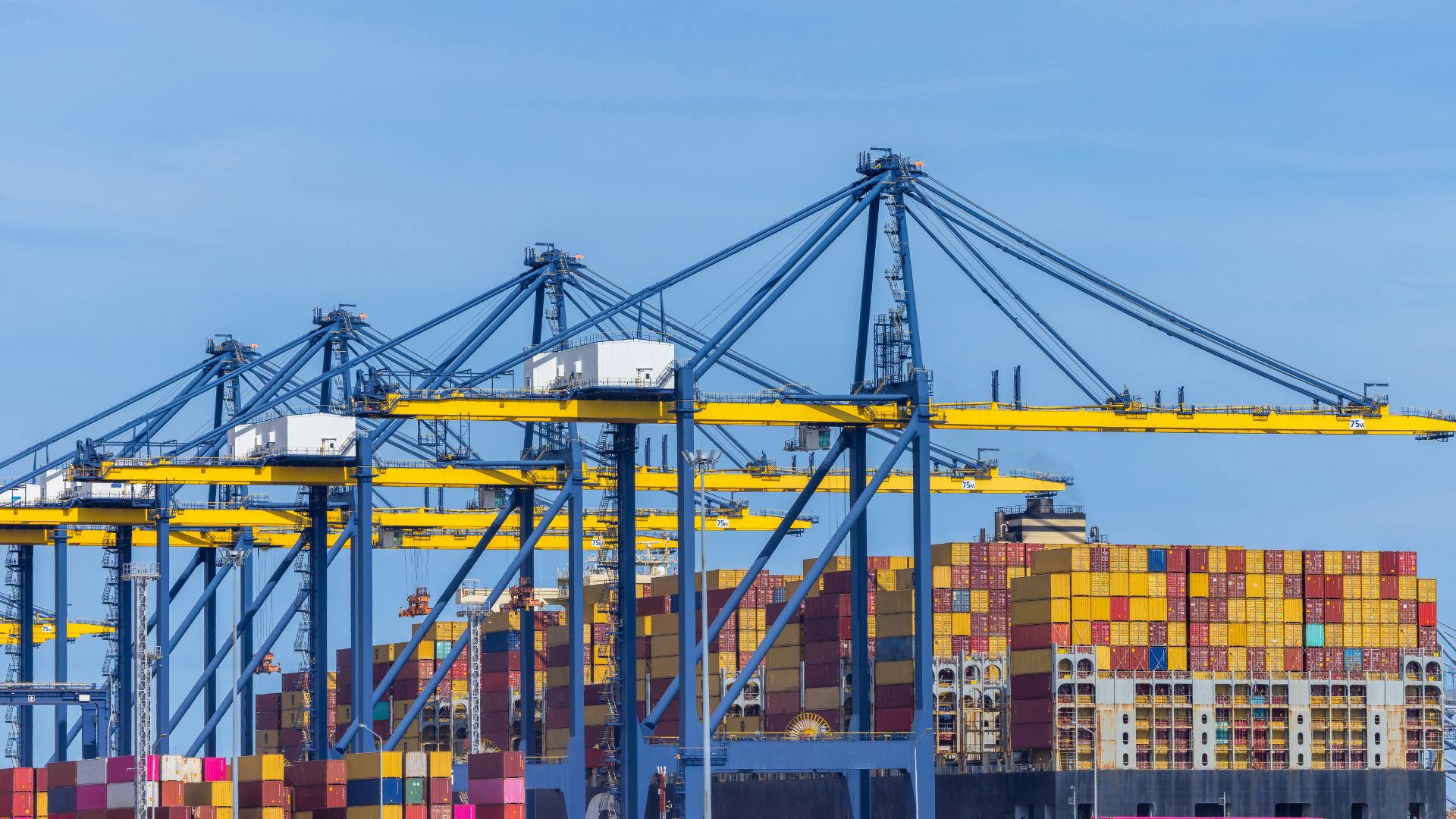
The report noted that the Philippines has yet to capture a significant share of this momentum. Although the country has established special economic zones in Clark, Subic, and Batangas, logistical bottlenecks, high electricity prices, and inconsistent regulatory enforcement discourage investors.

According to the ASEAN Secretariat, the Philippines must shift from consumption-led growth toward production-based integration. This means building local supplier networks, improving port infrastructure, and linking small enterprises to global production chains. Without these measures, the report warned, the Philippines will remain on the sidelines of ASEAN’s manufacturing resurgence.

