



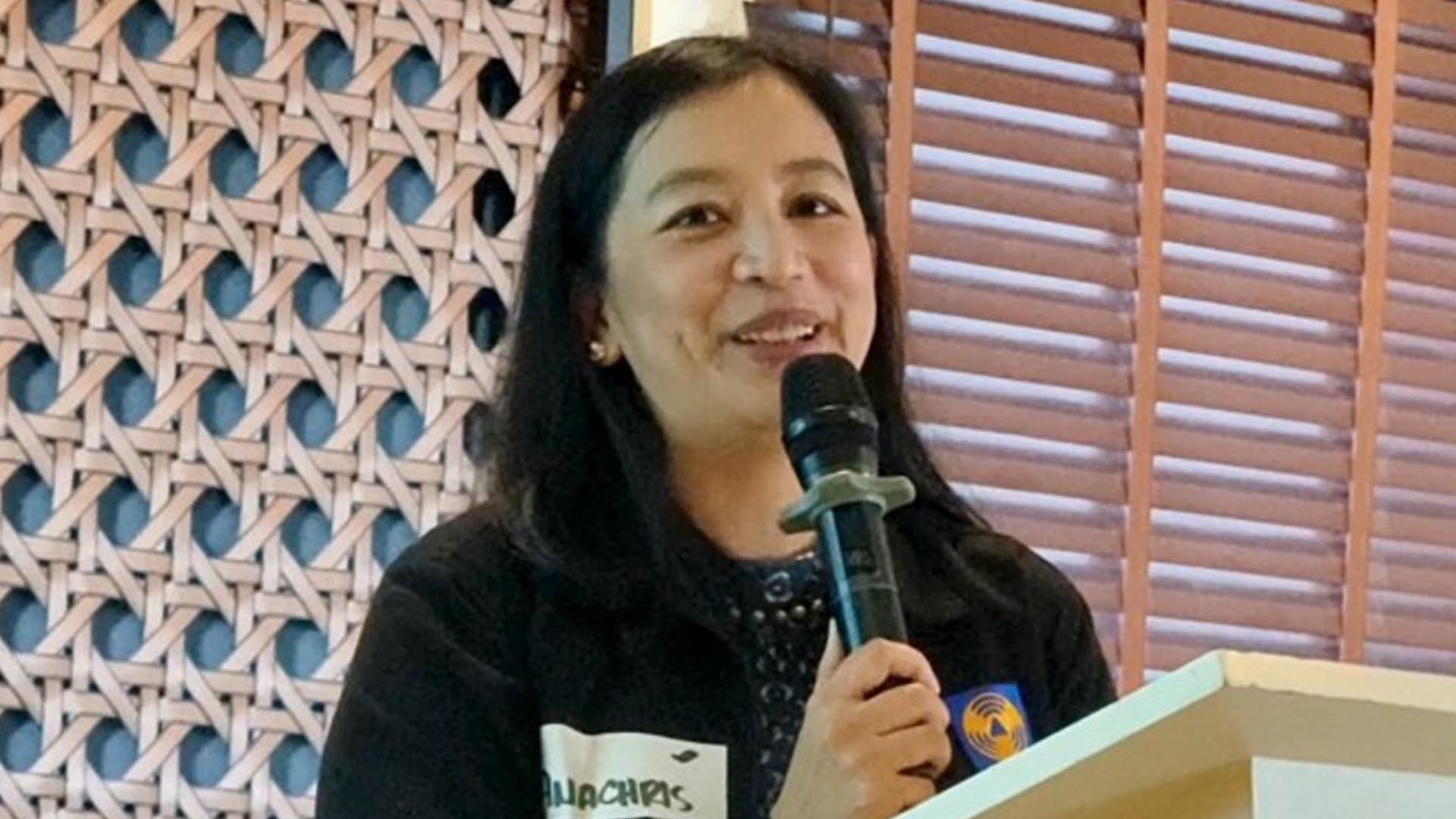






A medical doctor from the Department of Health in the Cordillera Administrative Region (DOH-CAR) has reiterated the agency’s advice to the public to eat a healthy and balanced diet to boost the immune system and be protected from illnesses.
“Kailangan paigtingin ang katawan so number one dyan ang pagkain. Lagi naming nire-remind na nanggagaling sa tamang pagkain, pag-inom ng tubig ang basic protection ng katawan natin (We need to take utmost care of our body, so number one is food. We always remind that basic protection of our body comes from the right food and the water we drink),” Dr. Anachris Kilakil, Medical Officer 4 of the DOH-CAR’s local health division-public health management cluster, said in a phone interview on Wednesday.
She also advised avoiding crowded places to avoid airborne infections and using protective gear against rain, especially with the declaration of the start of the rainy season by the Philippine Atmospheric, Geophysical, and Astronomical Services Administration (PAGASA).
“Respiratory infections kasi nagpapalit ng weather, pagkalat ng influenza virus, trangkaso, common respiratory infection, maiiwasan sa paggamit ng personal protective equipment (Respiratory infections due to the changing weather conditions, spread of influenza virus, flu virus and other common respiratory infections can be avoided by using personal protective equipment),” Kilakil said.
She also mentioned vector and water-borne diseases which are preventable.
“Water-borne diseases mag ingat tayo, yung W.I.L.D. diseases. Kailangan i-prepare natin ng maayos yung inuming tubig, ensure that the source galing sa malinis, yun ang number 1. Yung mga vector-borne diseases natin tulad ng dengue, iwasan sa paglilinis ng mosquito breeding sites (Let us be careful of water-borne diseases and W.I.L.D. diseases. We need to prepare our water properly and ensure that the source is clean. For vector-borne diseases, let us avoid it by destroying mosquito breeding sites),” the doctor said.
W.I.L.D. stands for Waterborne diseases, Influenza, Leptospirosis, and Dengue.
Kilakil clarified that dengue is an all-year-round disease and people must not bring their guard down against it.
She also reminded the public to avoid wading in flood water to prevent leptospirosis infection.
Meanwhile, Karl Sam, chief of the DOH-CAR’s communication management unit, said during an engagement with the media on Tuesday that a team is investigating the reported diarrhea cases in Apayao in the last week of May.
He said that samples have been taken and brought to the Research Institute for Tropical Medicine (RITM) for testing.
It was learned that at least 222 people were affected and two died due to diarrhea believed to have been caused by contaminated water.
Sam reminded the public to ensure that the water they drink is safe. (PNA)


