



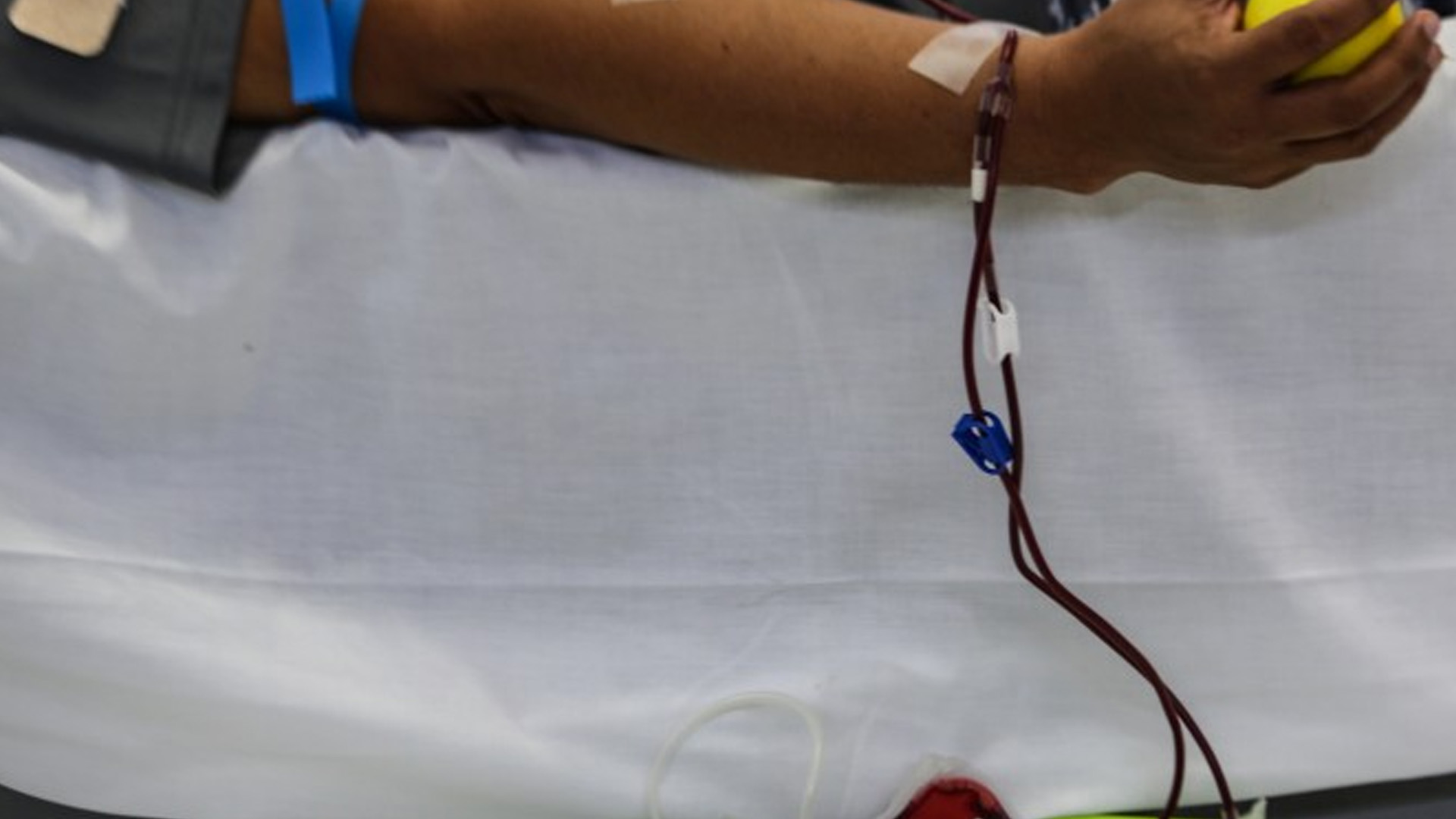






The Department of Health in Bicol (DOH-5) has called on the public to voluntarily donate blood, highlighting the importance of saving lives and supporting the community.
In an interview on Thursday, Nicole Anne Bejo, a registered nurse and donor recruitment officer from the DOH’s Bicol South Luzon – Sub National Reference Laboratory, said there is a significant demand for blood in the region and it continues to face a shortage, particularly during the lean months when donations tend to decrease.
“One blood donation can save up to three lives. We might think we are saving just one person, but a single unit of blood can help multiple individuals,” she said in Filipino.
The statistics show a positive trend in blood donations over the years. In 2021, the donation collected a total of 12,564 units. This increased in 2022 with 21,265 units collected, and in 2023 with 26,753 units. For 2024, the blood donation achieved a total collection of 32,699 units.
“We encourage the public not just to donate once but to become regular donors, as we need more consistent blood donations due to the increasing demand,” she added.
She said the blood center needs 3,000 to 3,500 blood units per month.
Bejo clarified that the regional blood donation statistics include not only the achievements of the blood center but also the contributions from the Bicol Medical Center, one of the leading blood facilities in the region, as well as the Philippine Red Cross chapters in Bicol.
“The blood center can process blood units, which means a single donated blood bag can be separated into various blood components,” she added.
She also shared that blood collected is used for the following medical needs: 2 percent for trauma and road accident cases, 4 percent for obstetrics, 10 percent for orthopedic issues, 13 percent for conditions such as heart, kidney, and liver diseases, 18 percent for surgical procedures, 19 percent for patients with anemia, and 34 percent for cancer patients and those with blood disorders.
“There are numerous conditions that require blood, which is why the blood center, along with our partners, local government units, and stakeholders, actively conducts mobile blood donation activities,” Bejo said.
Anyone between the ages of 18 and 60 is eligible to donate blood. Individuals aged 16 to 17 may also donate with parental consent, while regular donors aged 60 to 65 can continue to donate. Donors must weigh at least 50 kg, and people of all genders are welcome to participate.
Men can donate blood every 12 weeks (approximately every three months), while women can donate every 16 weeks (around every four months).
She added that all collected blood undergoes screening for hepatitis B, hepatitis C, HIV, syphilis, malaria, and other relevant tests to ensure safety. (PNA)


