









The Department of Labor and Employment (DOLE) underscored the importance of enhanced labor market information systems (LMIS) in addressing the skills gaps amid green and digital economic transitions in Southeast Asia.
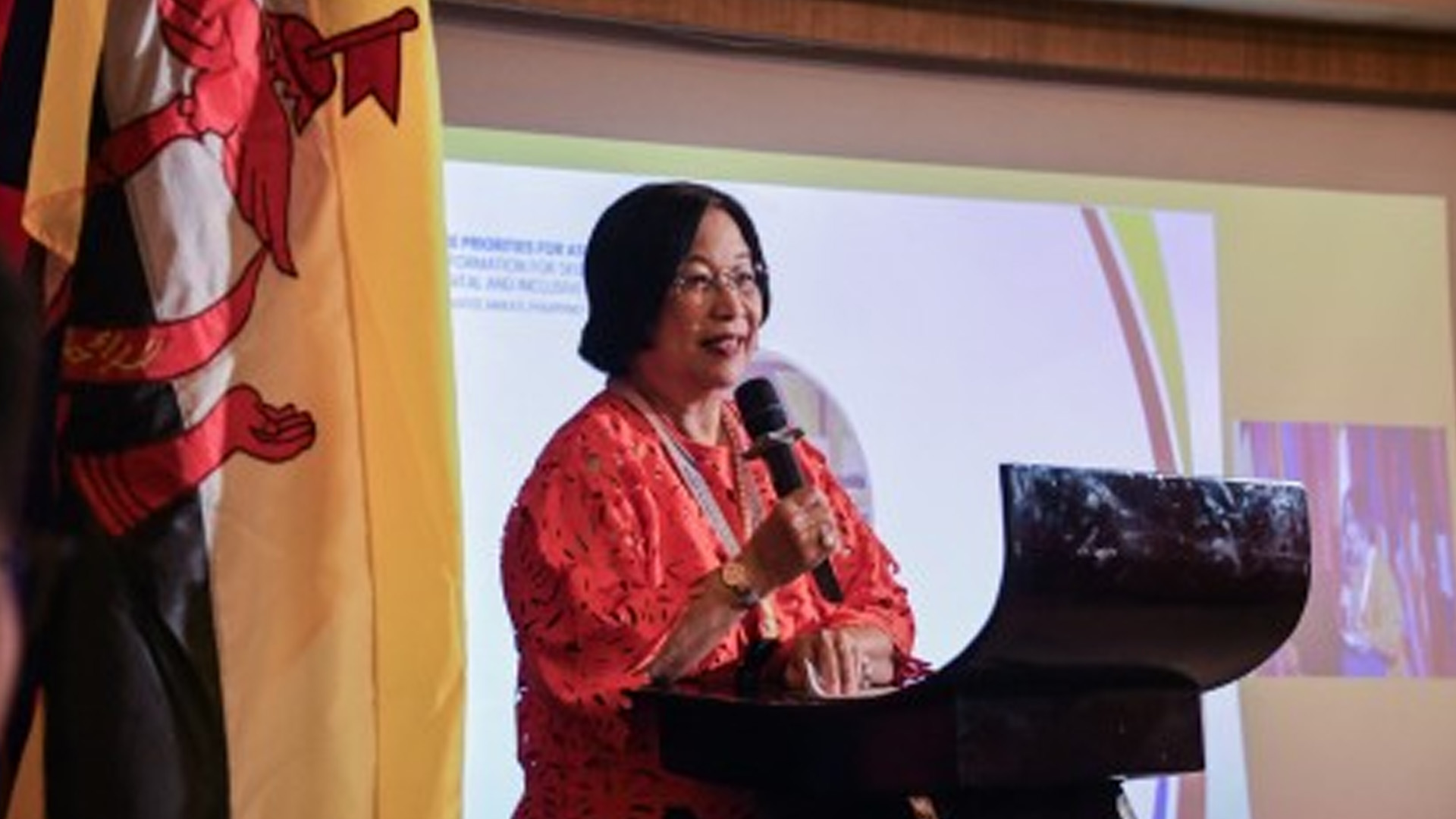
DOLE Undersecretary of Employment and Human Resource Development Cluster Undersecretary Carmela Torres made the remark in her speech at the LMIS workshop among Association of Southeast Asian Nations (ASEAN) member states, international organizations, and development partners in Makati City on Tuesday, according to the agency’s news release on Wednesday.
Torres, who represented Labor Secretary Bienvenido Laguesma, noted that addressing the skills gap, especially within emerging and high-growth sectors in the ASEAN region, “is paramount to unlocking our region’s full economic potential and ensuring that our robust labor force can contribute meaningfully to sustainable growth.”
“By improving data quality, enhancing stakeholder coordination, and leveraging technology for better policy formulation, these (labor market information) systems contribute significantly to building resilient economies,” she added.
LMIS is critical for collecting, compiling, and analyzing data to support informed decision-making across various stakeholders.
These systems help identify current skills mismatches, anticipate future skills needs, and facilitate coordination among public and private sector stakeholders.
At the same time, she said that amid the changing employment landscape, the LMIS of ASEAN member states “must evolve to capture the nuanced skills needs driven by technological advancement, environmental sustainability, and the imperative of inclusive growth” through sharing of best practices and leveraging technology for better policy formulation.
Another highlight of the workshop was the launch of the Regional Mapping of Labor Market Information for Skills and Employment Policies in ASEAN member states, a project designed to showcase how LMIS can shape workforce policies and programs.
The project was implemented by the International Labor Organization (ILO) and the Deutsche Gesellschaft für Internationale Zusammenarbeit (GIZ), in collaboration with the ASEAN Secretariat (ASEC) and under the joint leadership of the Philippine Department of Labor and Employment (DOLE), Viet Nam’s Ministry of Labor, Invalids and Social Affairs (MOLISA), and Indonesia’s Ministry of Manpower (MOM).
Further contextualizing the discussions was ILO’s recent flagship publication – the World Employment and Social Outlook Trends 2025, which presents employment projections and emphasizes the role of reskilling and upskilling amid green and digital transitions.
The three-day workshop also served as a venue for ASEAN member states to share country-specific insights, assess key challenges, and identify strategic actions to enhance the regional LMI systems.
Through better labor market intelligence, ASEAN nations aim to develop a more data-driven, future-ready workforce, ensuring that workers are not only able to land quality jobs today but are also prepared for the jobs of the future.
The DOLE hosted the event, reaffirming its commitment to boosting skills development towards better quality jobs and more employment opportunities for Filipino workers.
The initiative is aligned with the goals of President Ferdinand R. Marcos, Jr.’s administration of enhancing the country’s human capital to drive economic growth. (PNA)


