










With coffee becoming a staple and popular drink around the world, the evolution of café gimmicks and coffee recipes is evident. In Korea, there is also a wide variety of coffee shops to visit for locals and tourists alike. However, there are some aspects of Korean coffee culture that differ from what you might expect.
If you’re a coffee lover who enjoys traveling, these insights can guide you on what to expect when you visit Korea:
Latte: Extra Hot

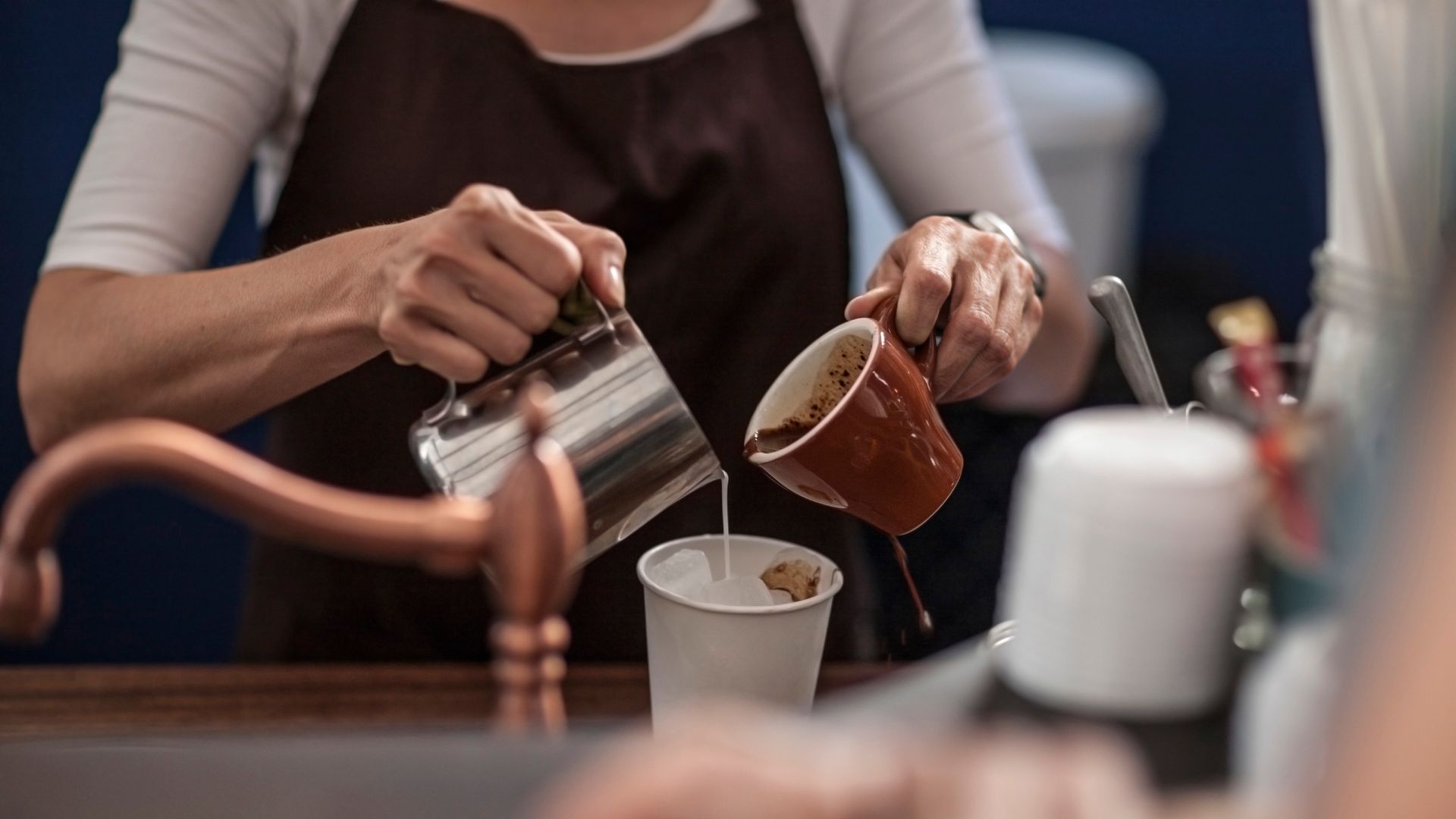
When you order a latte, it’s usually made by using cold milk of good quality, steaming it until it’s perfectly silky, and then pouring it into an espresso to create latte art. In Korea, however, it goes a step further. The milk is steamed more than usual because Koreans prefer their lattes to be extra hot.
Cappuccino and Cinnamon
Lattes and cappuccinos are often interchangeable, with the main difference being that a latte usually has less foam than a cappuccino. In Korea, though, a cappuccino has a specific twist—it includes cinnamon.
This variation originated when cappuccino was first introduced to Korea with a layer of cinnamon on top, and the recipe has remained unchanged since. If you’re not a fan of cinnamon, you can simply opt for a latte instead.
Americano: Default Coffee
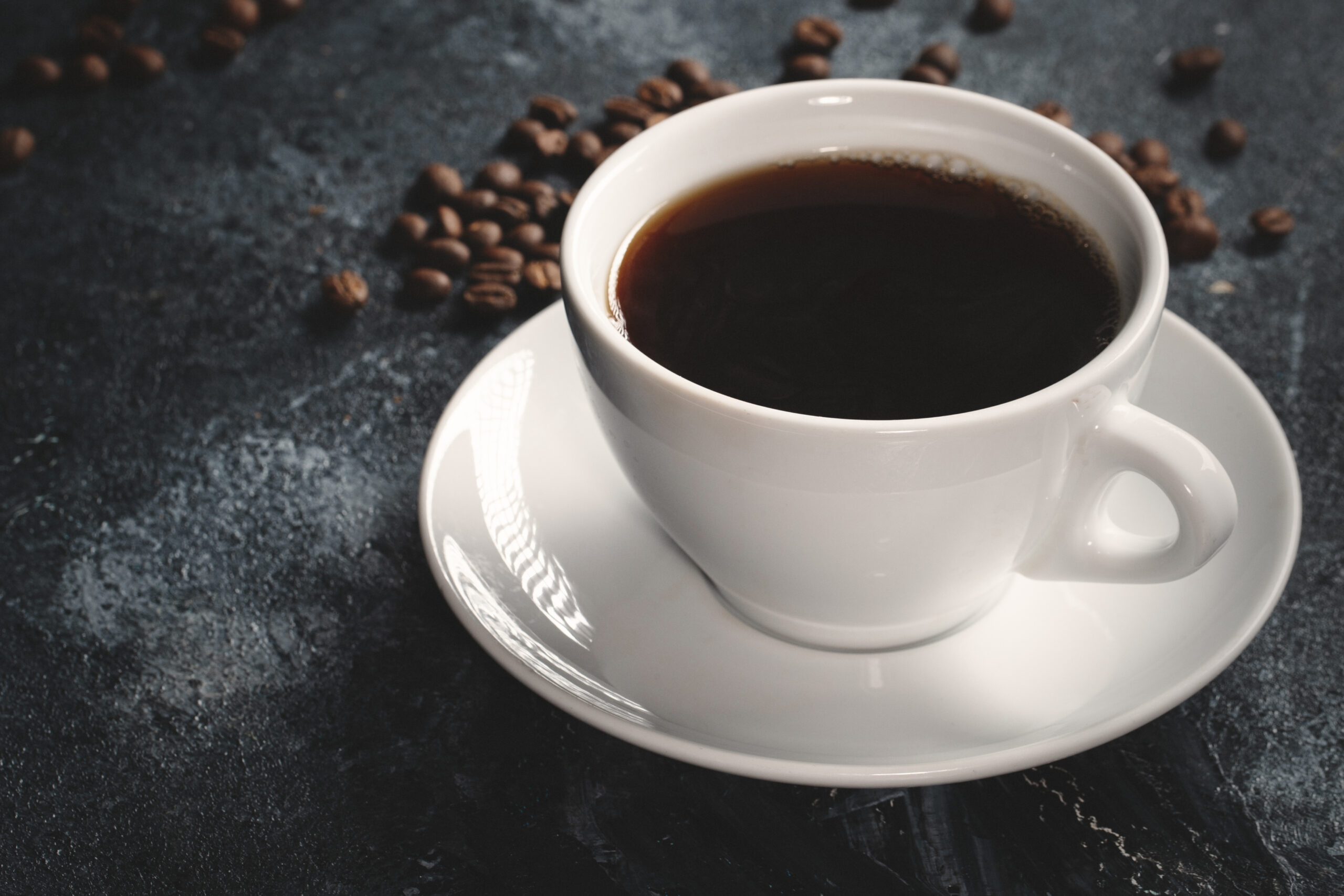
In some countries, ordering “one coffee” might get you filter coffee. In Korea, however, “one coffee” typically means an Americano. Because many Koreans find straight espresso too strong, they often choose frappes or Americanos from the menu. As a result, filter coffee has become less common, and the Americano has become the default choice.
Gangnam-style Americano
The Gangnam district in Seoul is associated with luxury, trend-setting, and classiness. Therefore, a special type of Americano has been named after the Gangnam style. It’s a hot Americano served with two ice cubes. While this might initially seem odd since Americanos are typically hot, you might discover its charm after a few sips!
Dalgona Coffee
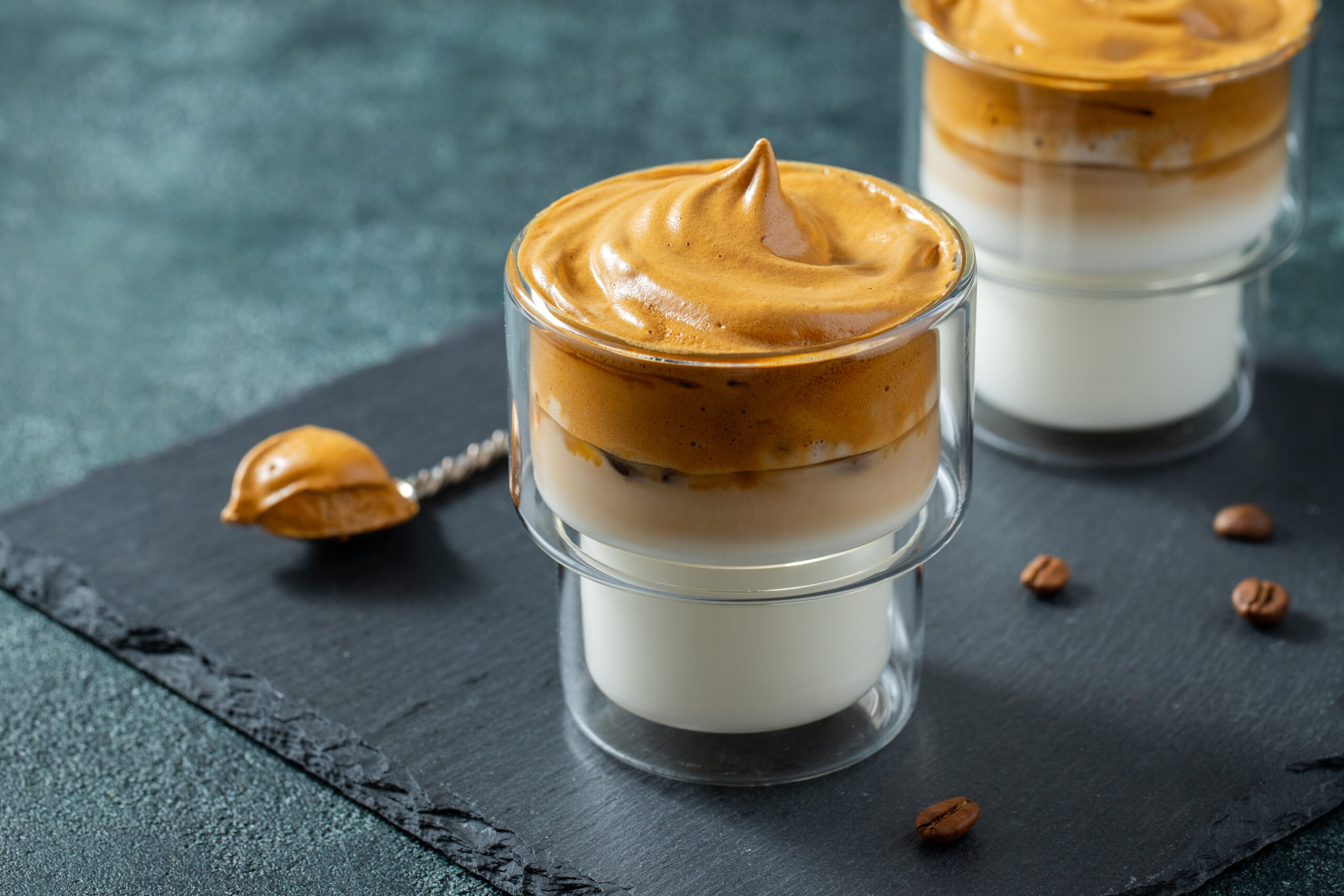
When it comes to coffee trends, Korea is renowned for Dalgona coffee, a viral sensation. This drink offers a unique flavor through a distinctive recipe, often referred to as “beaten coffee.”
The name “Dalgona” is derived from a traditional Korean street snack that tastes like honeycomb toffee. Conceptually, Dalgona coffee can be seen as a kind of upside-down cappuccino or frappe, but it has its own distinct flavor profile that’s particularly appealing to those with a sweet tooth.
Korea boasts a significant coffee market, with numerous cafés dotting its cities. These aspects of Korean coffee culture set it apart from the norm. For coffee enthusiasts, referring to this list can help you navigate the unique aspects of Korean coffee culture when you visit!


