



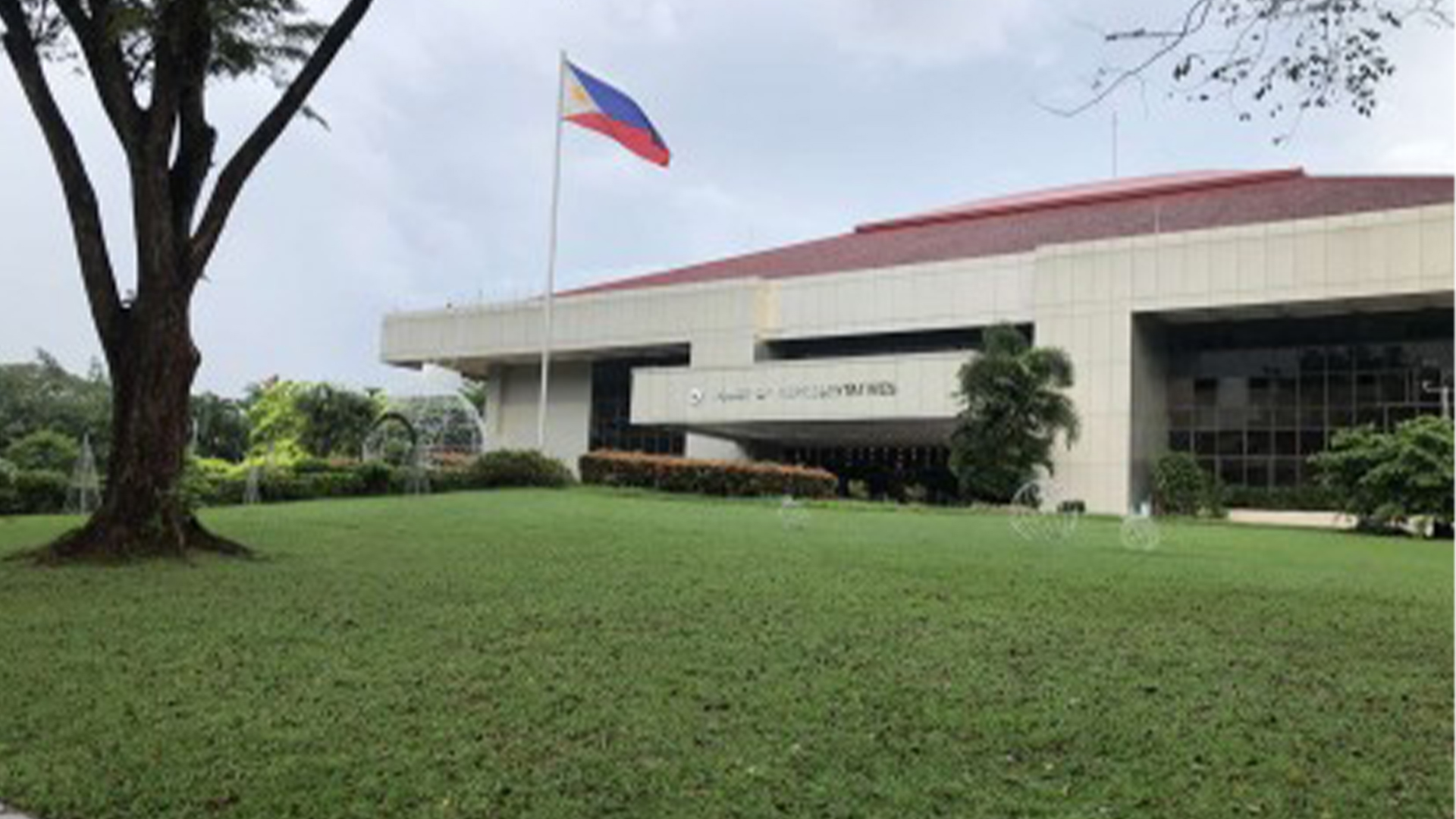






A House of Representatives panel on Wednesday approved a measure that would make Grades 11 and 12 optional for students who prefer pursuing a technical-vocational education.
During the hearing, the House Committee on Basic Education and Culture, chaired by Pasig City Rep. Roman Romulo, approved an unnumbered substitute bill, otherwise known as the “Education Pathways Act”.
Romulo said the objective of the bill is to help the youth achieve their maximum potential and enhance their employability by establishing education pathways that “empower and equip the learners with the competencies that are necessary for college or employment”.
The bill provides that the students, upon completing junior high school, shall have the option to choose between two education pathways: the college preparatory program under the Department of Education (DepEd) or the technical-vocational program under the Technical Education Skills Development Authority (TESDA).
“What will happen is basic education will be K to 10. After 10, we can have a graduation for basic education. But if a learner decides to proceed to a university or a college, then there will be an additional two years. Grades 11 and 12 will be under the Department of Education. But if a learner, after completion of basic education (Grade 10), wishes to take the tech-voc track, which currently I understand about 30 to 36 percent of our learners in fact go to the tech-voc track instead of going to Grades 11 to 12, we will have an upgraded TESDA that will take care of the curriculum together with industry partners,” Romulo said.
“We want the industry to be directly involved so that a degree or diploma can also be obtained by graduates or those who will complete the tech-voc curriculum. We want Filipinos to understand that tech-voc is globally highly competitive now and it is a highly skilled profession already, unlike how it is being treated right now,” he added.
According to the bill, those who wish to pursue the college preparatory pathway will go through senior high school, which will be under the jurisdiction of the DepEd.
The DepEd shall develop and implement a comprehensive curriculum for Grades 11 and 12 that prepares students for admission to colleges and universities.
Meanwhile, the students choosing the technical-vocational pathway shall be under the TESDA, which will provide them with a variety of programs designed to equip students with practical skills and competencies for specific industries.
The technical-vocational programs shall include subjects that ensure students will attain functional literacy skills.
Under the bill, TESDA shall be tasked to collaborate with industry partners to ensure that the programs are aligned with current industry needs and standards.
TESDA shall also facilitate apprenticeship programs and on-the-job training opportunities for technical-vocational students to gain practical experience. Industry stakeholders shall be encouraged to provide apprenticeship opportunities and participate in skills development.
The bill also proposes that after completion of the technical-vocational program or upon certification from TESDA of eligibility for college admission, the student may avail of the ladderized education program and enroll in colleges or universities for educational advancement. (PNA)


