









The Bureau of Fisheries and Aquatic Resources in Central Luzon (BFAR-3) is promoting freshwater polyculture technology in a bid to boost the fishery industry in the region.
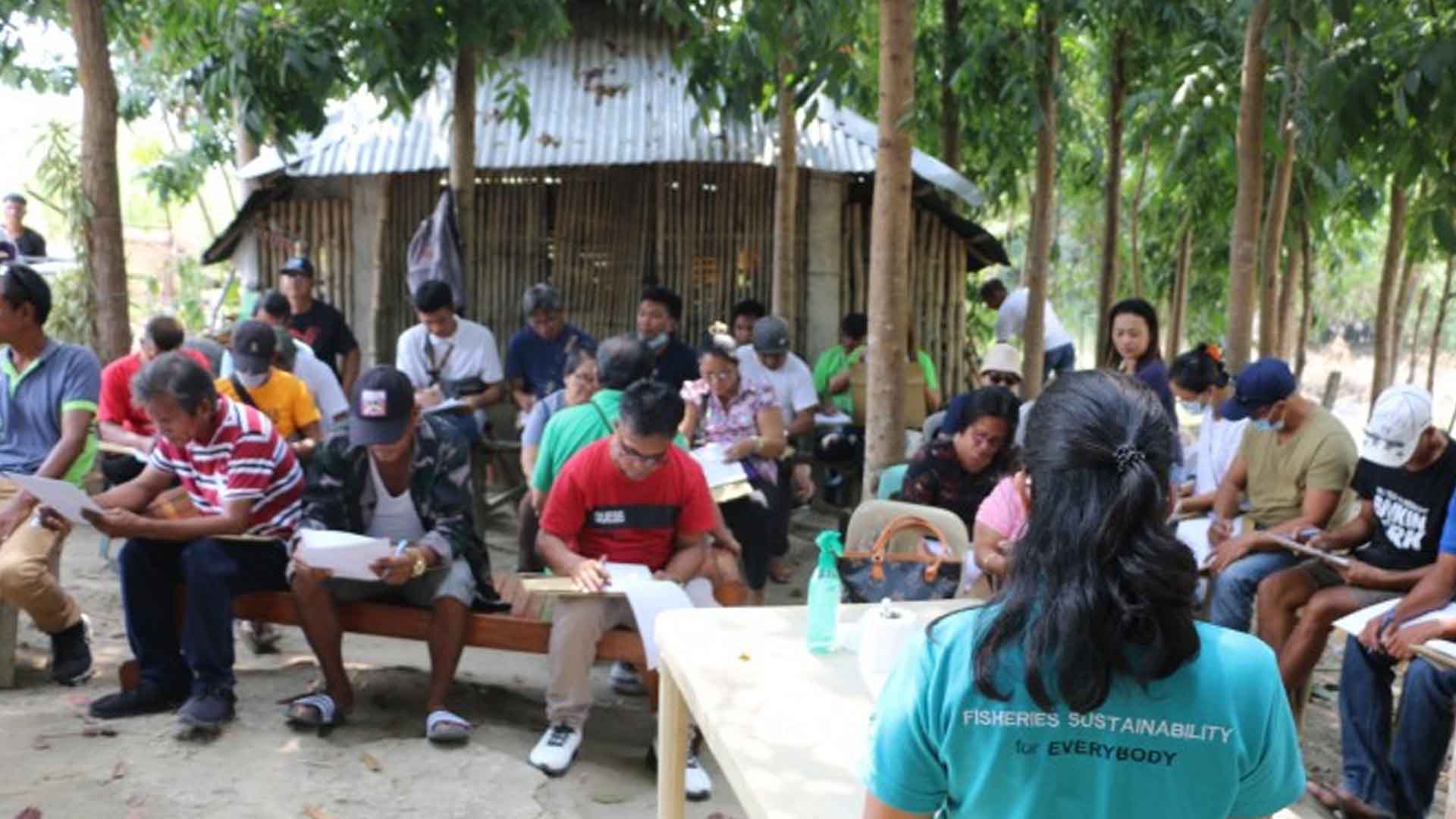
BFAR-3 Regional Director Wilfredo Cruz said on Thursday that some 40 fish farmers from Barangay Pance in Ramos town and in Barangay Sta. Ines in Paniqui town, both in Tarlac province, are currently participating in the season-long Fish Farmers Field School (FFS) that will teach them actual procedures on freshwater polyculture technology.
“Layunin ng BFAR, sa pamamagitan ng FFS, na ituro sa mga mangingisda ang pinakabagong teknolohiya na magpapaunlad sa kanilang operasyon at kabuhayan bilang mga magsasaka ng isda. (The BFAR, through the FFS, aims to teach fishermen the latest technology that will improve their operation and livelihood as fish farmers),” Cruz said in an interview.
He said the program aims to teach the procedures of growing tilapia and “ulang” (prawn) in one pond using freshwater polyculture technology.
He said that polyculture is the scientific process of raising two or more non-competing species in a common production area.
By “non-competing”, it means that fish should not predate each other and not compete directly on food, he added.
Cruz said part of the training is the pond preparation and the making of artificial shelters for prawns.
The FFS will be conducted for 16 weeks with resource speakers from BFAR, National Freshwater Fisheries Technology Center, Provincial Agriculture Office, other partner agencies and the private sector.
“Nais ng BFAR na maituro sa mga mangingisda ang mga teknolohiyang magpapabuti sa kanilang kabuhayan (It is the desire of the BFAR to teach fishers the technologies that could improve their livelihood),” Cruz added. (PNA)


