

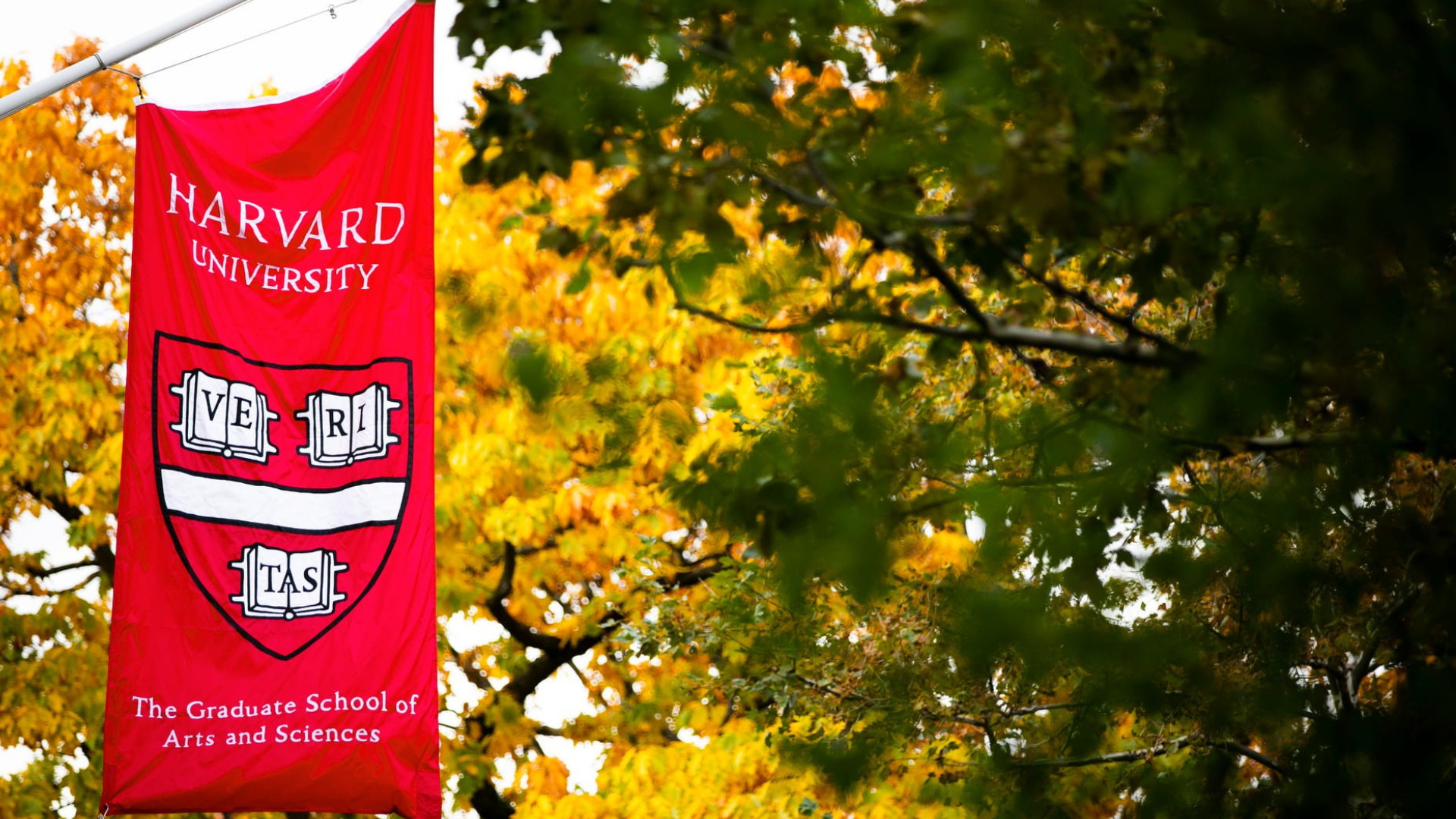






Recently, it was announced in Harvard University’s official student paper, The Harvard Crimson, that the prestigious university will now offer the Tagalog language as one of its courses for the upcoming academic year.
It is such a groundbreaking move for the highly-regarded international university to offer Tagalog language courses along with Bahasa Indonesia and Thai.
The Tagalog course will be under the Faculty of Arts and Sciences, Department of South Asian Studies.
Tagalog is deemed the fourth most spoken language in the United States, which initially drove the university to establish efforts in adding a Tagalog course offering in their department.
With this, the members of the Harvard Philippine Forum (HPF) noticed, upon conducting a survey, that there is a lack of course offerings about Southeast Asian studies and its local languages.
The co-president of the HPF acknowledged this implementation as a “big win” not only for them but also for all Filipinos.
Considering this initiative, the executive director of the university hopes that this planned course will be a foundation for building more Southeast Asian studies under their aegis.
Upon offering the Tagalog course, the university also encourages individuals to help them seek out practitioners to teach the said language.
Some factors that the university required were that the applicant should be native or near-fluent in Tagalog and should have advanced graduate training in Filipino.
Photo credit:
https://www.facebook.com/Harvard
https://www.facebook.com/Harvard


