



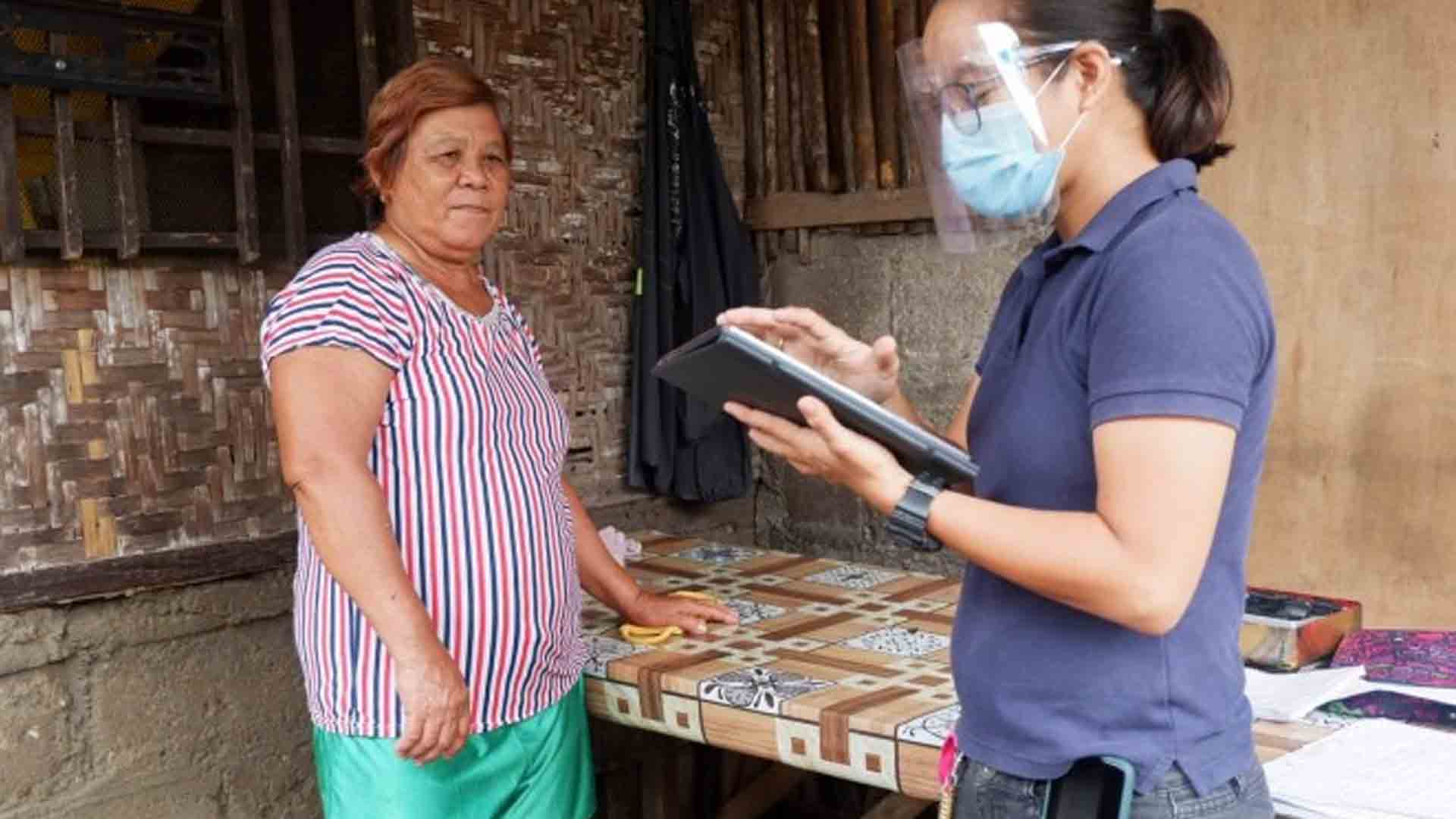






The Philippine Statistics Authority in Central Visayas (PSA-7) has started the second round of pre-registration in the region’s four provinces for the national ID system.
PSA-7 information officer Noel Rafols said the agency is targeting to cover more than 948,000 individuals in the second phase of the pre-registration, which started last week, now including the province of Siquijor.
“The second batch of the pre-registration now includes Siquijor. We have deployed a total of 251 enumerators across the region,” he told the Philippine News Agency in an interview.
PSA-7 kicked off the pre-registration in October last year, covering the provinces of Cebu, Bohol and Negros Oriental.
During the first round of the pre-registration for the Philippine Identification System (PhilSys), PSA-7 was able to pre-register some 1.6 million individuals in the three provinces.
These individuals were identified through the Listahanan 3 or list of poor families in the region from the regional Department of Social Welfare and Development office.
PSA registration officers and enumerators are set to capture the demographic information of the registrants including name, permanent address, date and place of birth, and blood type.
Rafols said PSA is still in Step 1 of the registration process.
PSA enumerators will go house-to-house particularly to low-income individuals, who are the first priority, and record these data through digital tablets and will be sent directly to a secured PhilSys database.
Rafols explained that they are still awaiting a directive from the head office as to when the general registration stage, which is the Step 2, will start.
Step 2 will capture the biometric information such as iris scan, fingerprints and photograph. It will be done at the PhilSys registration centers, which will include local government units and PSA’s provincial and regional offices.
Rafols said registration kits were set to be readied before the Step 2 can officially start.
Step 3 will be the issuance of PhilSys Numbers (PSNs) and physical IDs to the registrants.
Aside from Cebu province, the other provinces in Central Visayas that are among the pilot areas are Bohol and Negros Oriental.
PhilSys is a project led by PSA which has the potential to transform the access and delivery of services in the public and private sectors and accelerate growth and dynamism of the digital economy.
PSA is targeting to complete the issuance of the free national ID within five years.
Signed into law by President Rodrigo R. Duterte in August 2018, Republic Act 11055, or the Philippine Identification System Act, aims to establish a single national ID for all Filipinos and resident aliens.
The national ID shall be a valid proof of identity for use in public and private transactions, enrollment in schools and opening of bank accounts.
It will also boost efficiency, especially in dealing with government services where people will only need to present one ID during transactions. (PNA)


