



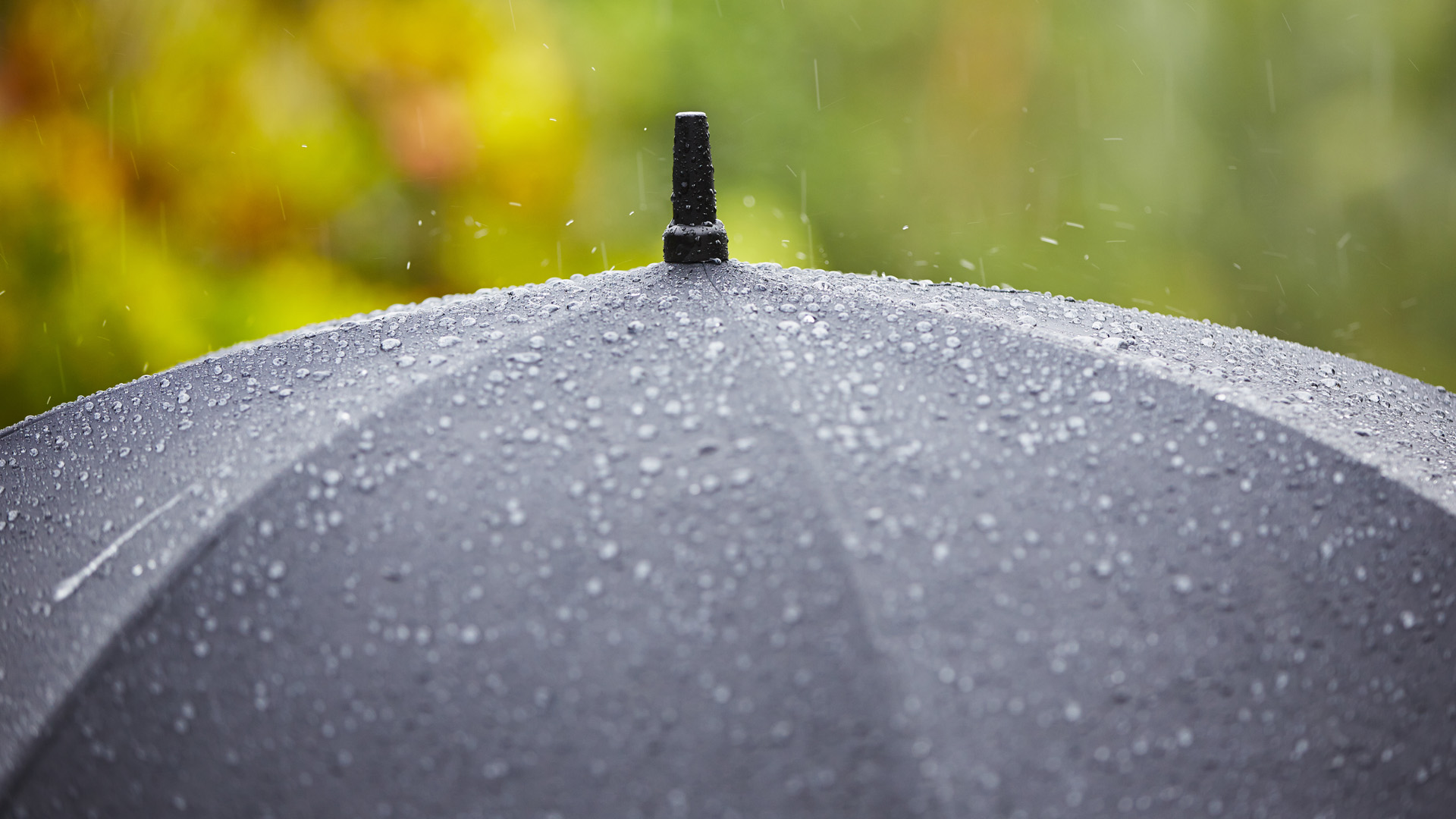






More rains are expected until the first quarter of 2021 as the Philippine Atmospheric, Geophysical and Astronomical Services Administration (PAGASA) officially declared on Friday the onset of La Niña.
Weak to moderate La Niña will likely persist from October to March, PAGASA officials said in a virtual presser. They emphasized the need to prepare.
Department of Science and Technology (DOST) Undersecretary Renato Solidum, Jr. underscored that while rains could be beneficial to the dams, it could also create havoc when the public does not prepare for it.
While rain showers could add water to the reservoir, this would also result in more water in areas that are prone to flooding and landslides, he emphasized.
“We should have an effective and efficient response. Prepare. Have the mitigation measures,” Solidum said.
For his part, DOST Secretary Fortunato de la Peña said the local government units and front-liners must also be prepared. Aside from La Niña, PAGASA is also expecting five to eight tropical cyclones to enter or develop in the Philippine Area of Responsibility during the said period.
These tropical cyclones may further enhance the northeast monsoon and could trigger floods, flash floods, and rain-induced landslides over susceptible areas, particularly in the eastern sections of the country which normally receive a greater amount of rainfall at this time of the year, according to the weather bureau.
PAGASA climate monitoring chief Analiza Solis said the bureau is expecting two or three tropical cyclones in October, one or two in November, December, and January, and zero to one in February and March.
Solis, meanwhile, noted that La Niña has various effects and impacts.
In agriculture, she said this may cause extensive damage to growing crops due to flooding, which is likely in low-lying agricultural lands.
Too much rain may also cause river flooding and dam spillage, added Solis.
La Niña also affects health and the environment, as there is a prevalence of waterborne diseases, aside from possible landslides and coastal erosion.
To counter these, Solis suggests the following:
• Check PAGASA advisories;
• Maximize rainwater. This is good for harvesting and storage since there is not much rain from April to June;
• Remove anything that obstructs the free flow of water in water bodies in your area; and
• Cooperate on local measures to help manage the impacts of La Niña.
La Niña would most likely affect Mimaropa, the eastern section of Luzon, and the whole of the Visayas and Mindanao, Solis said. (PNA)


