



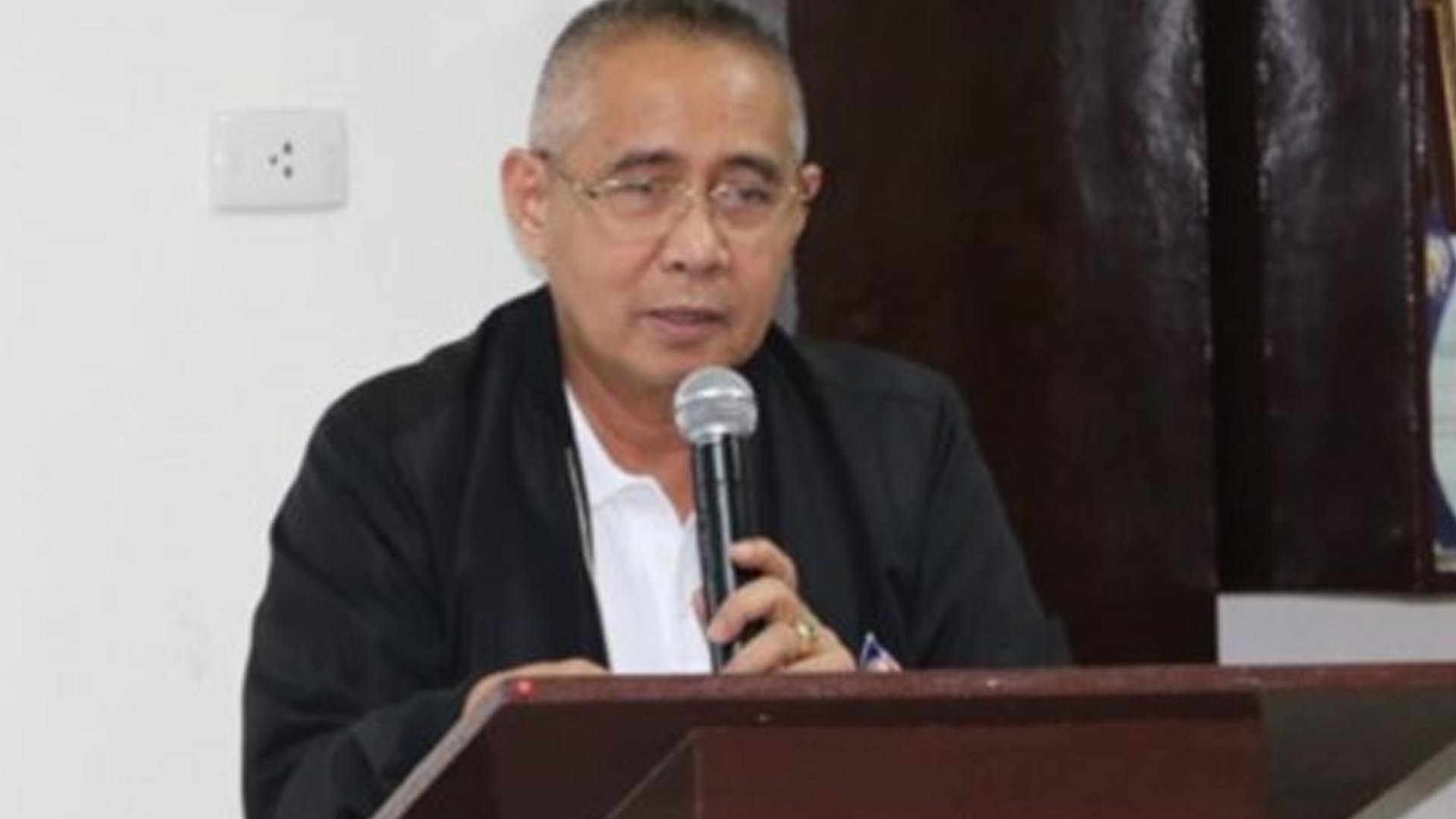






At least 53 more informal and displaced workers in South Cotabato province have received livelihood grants from the Department of Labor and Employment (DOLE).
Sisinio Cano, DOLE-Region director, said Monday the recipients comprise the latest batch of workers from the area who qualified for the assistance under its flagship DOLE Integrated Livelihood Program (DILP).
Cano said they released the PHP992,550 worth of livelihood starter kits starting March 3 in coordination with the provincial government of South Cotabato.
“The projects were chosen and proposed by the beneficiaries themselves,” Cano said in a statement.
The approved ventures were for auto mechanic shop, barbershop, beauty parlor, electronics repair shop, carinderia or eatery, blacksmith shop, manicure/pedicure, pottery production, painting services, vegetable production, beads-making, and hollow blocks making.
Cano described the beneficiaries as “working poor, displaced workers and self-employed individuals” who lack capital but were interested to start small businesses to augment their income.
Aside from starter kits, the recipients earlier received training and underwent seminars as well as orientations on financial literacy and proper handling or management of their ventures.
“We look forward to seeing our beneficiaries become economically stable in the future,” Cano said.
DILP is a flagship program of DOLE that seeks to contribute to poverty reduction and reduce vulnerability to risks of the working poor, vulnerable and marginalized workers, either through emergency employment, promotion of entrepreneurship and community enterprises. (PNA)


