



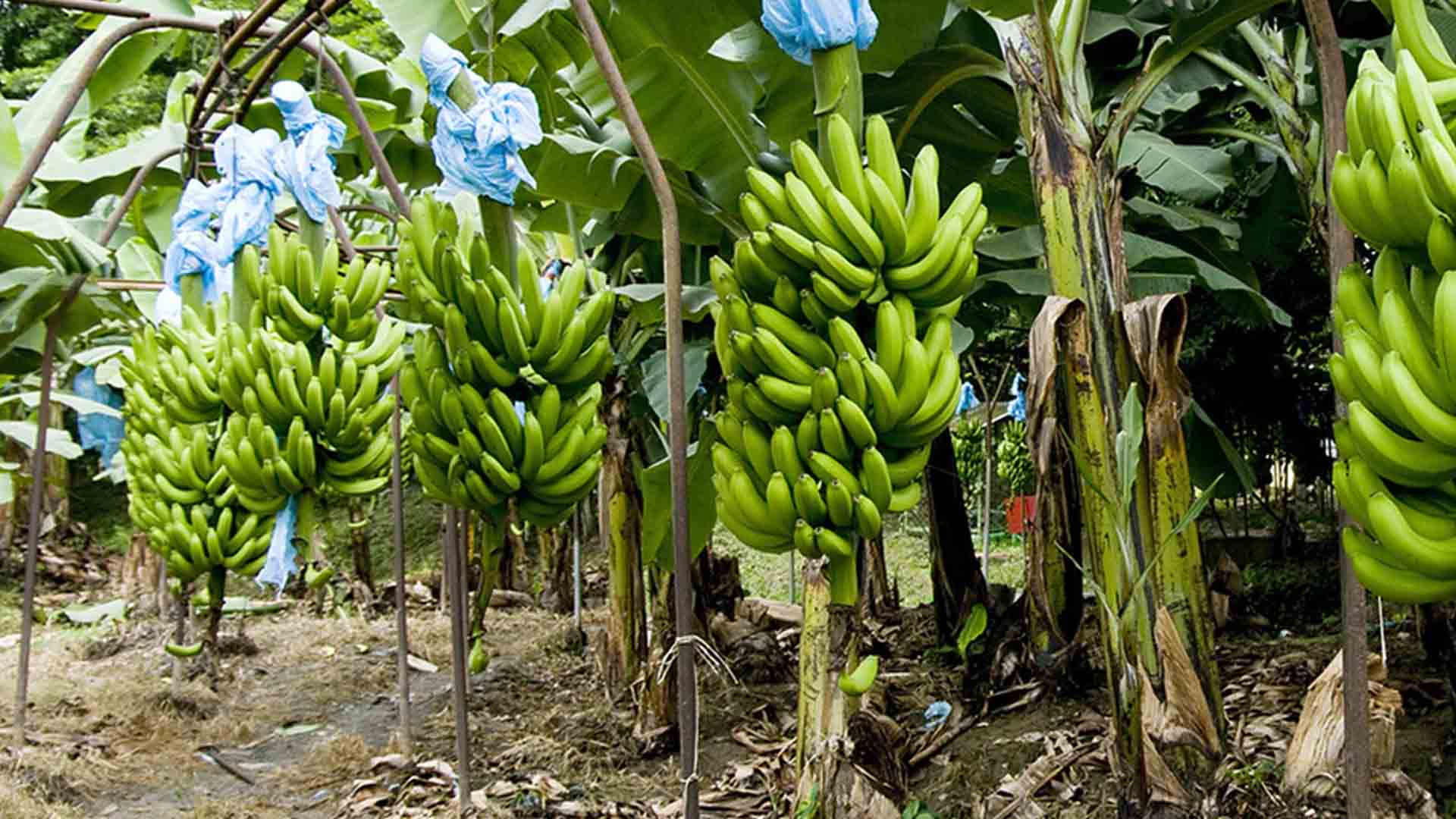






Soil biological colonization is seen effective to control the destruction of fusarium wilt of banana, popularly known as Panama disease, according to a farmer scientist in Davao del Norte.
In an interview with Philippine News Agency Sunday, Roni Manching, who is also an organic farmer, said such process is proven to be a good solution since the disease is soil-borne.
Manching developed excellent microbial inoculants, the KWR super foliar feed with amino+ and KWR super plant feed with AMF. These inoculants are mixture of kitchen wastes and various elements used as feed and effective insect and disease repellant.
Manching said he intends to introduce simplified farming practices by producing high-quality banana for export relying on soils’ natural potential.
The acidity of the soil is the main cause why the pathogens become active and this is when fusarium arises and destroys the plant, he said.
He added the foliar solution would arrest Sigatoka infection of banana plants and will allow fruit-setting, while the biological control (biocon) for soil treatment aims to manage the fusarium wilt.
Manching said many products in the market are claiming having pure biological agent but were discovered these were mostly closed or sealed and stored culture.
“What we are using is aerobic, it is freshly harvested from our nursery and applied directly to the field. We have seen an aggressive growth of banana shoots on the Cavendish variety,” he said.
Of the dwindling banana industry, Manching said crop shifting is not always a solution.
“There is still hope. Our team has tried rehabilitating a farm with only 30 percent left in population,” he added.
He further said that using tolerant or resistant varieties is “not always a good choice” because most of its produce is not acceptable in the market.
“There is a problem in the quality and appearance,” he added.
Manching said eradication is not a good remedy to combat fusarium wilt for it will only kill the soil nutrients, and not the disease.
“For the past four years, we have tried drenching with biocon and the recovery rate is increasing,” he said.
An eco-friendly farm resort known as the KWR Permaculture has already served about 90 farmers in Davao region and other provinces covering more than 4,000 hectares.
“Fusarium has no cure but we can control it from spreading,” he added.
Fusarium wilt is a soil-borne pathogen, an invincible breed of fungi that is attracted to banana plants. It has the ability to live or exist in long time dormancy of 30 to 50 years.
Fusarium fungi block plants vascular system (Phloem), depriving the plant of the necessary minerals, nutrients and moisture, thus causing it to turn yellow until it dies down. (PNA)


