



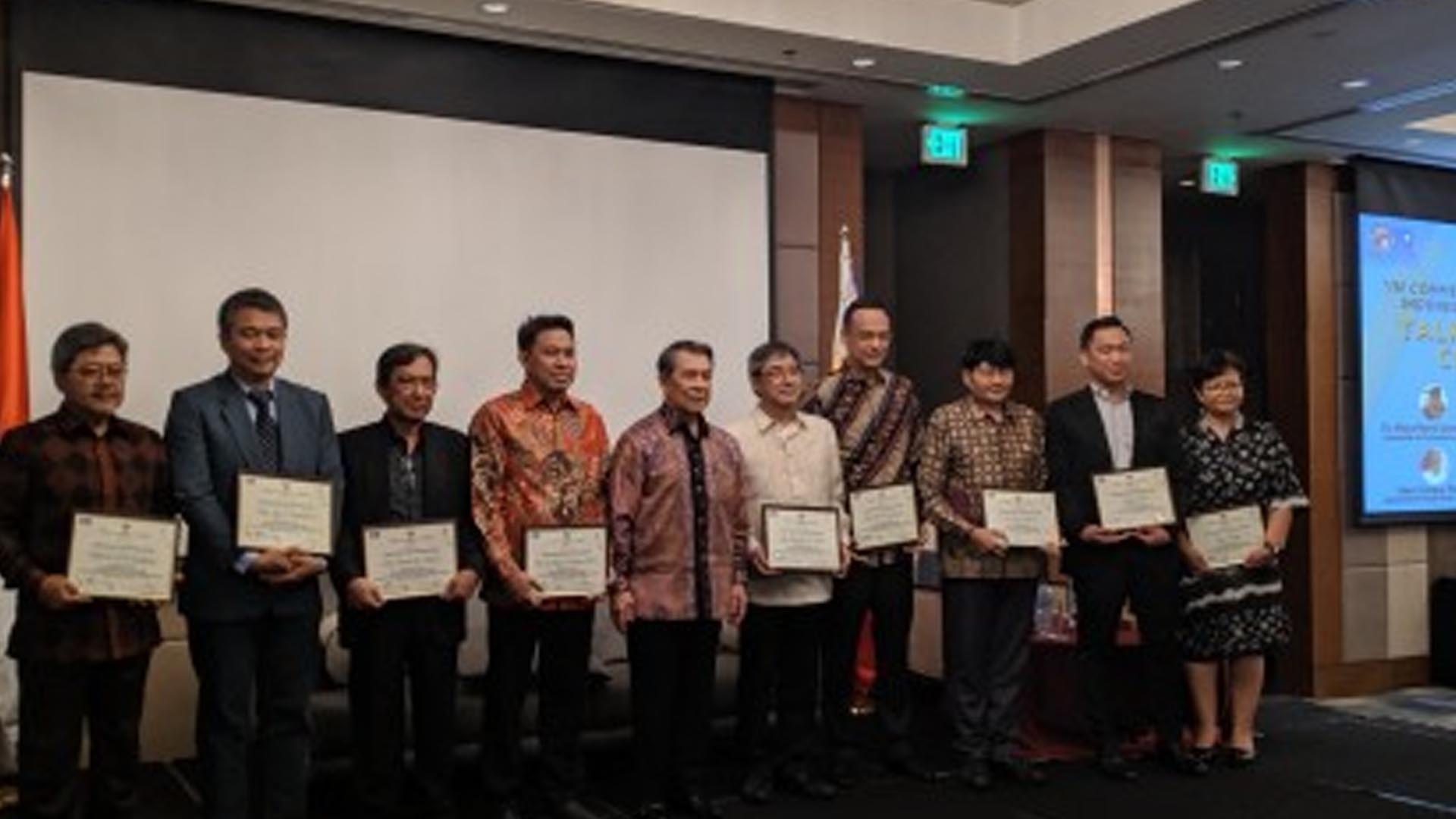






Indonesia wants to step up efforts in developing the maritime, fisheries, trade and tourism potential of the seas it shares with the Philippines, an envoy said Thursday.
“Indonesia and (the) Philippines are both archipelagic nations, where maritime respect plays an important role in the country’s policies and national interest,” said Ambassador of Indonesia to the Philippines, Dr. Sinyo Harry Sarundajang, in a seminar sponsored by the Indonesian embassy.
The event also comes ahead of the 70th year since the Philippines and Indonesia established diplomatic relations on Nov. 24, 1949.
Citing the protocols of exchange signed in Bangkok, Thailand earlier this year that established delimitations to the borders between the two countries in the southern seas of the Philippines, Sarundajang said that socioeconomic benefits must be pursued as a result of the connectivity.
“It is also our contribution to regional security and stability, through upholding the rule of law and the peaceful settlement of disputes. Moreover, this achievement paves the way to an even stronger partnership through enhanced bilateral cooperation, managing and preserving the resources in the EEZ, and further strengthening our maritime security cooperation,” added Department of Foreign Affairs (DFA) Undersecretary Enrique Manalo.
He said having an agreed boundary between Indonesia and the Philippines is only the first step in mutual development, as the border needs to have a defined protocol when it comes to activities such as oil exploration, the establishment of shipping lanes and law enforcement.
Fisheries is also another area, in which the two countries can further enhance their cooperation, where Indonesia can lend its expertise on shrimp farming, white snapper aquaculture, and seaweed processing.
For its part, the Philippines can host integrated marines and fisheries center, especially for its main catch of tuna and sardines, to better facilitate their transport locally and overseas.
Both countries also see potential in boosting tourism, where the development of coastal areas into marine hubs of tourism can help capture the tourist market in Asia, Europe, and the United States.
While trade has been in a healthy condition between Indonesia and the Philippines, creating more passenger and cargo lines can help realize the full economic potential of the countries given their income and production capabilities.
Indonesia and the Philippines share a maritime border running 1,162.2 kilometers from the Celebes to the Philippine Sea. The two countries are also signatories of the United Nations Convention on the Law of the Sea or UNCLOS, giving a country special rights to resources in the seas up to 200 nautical miles from their coast. (PNA)


