



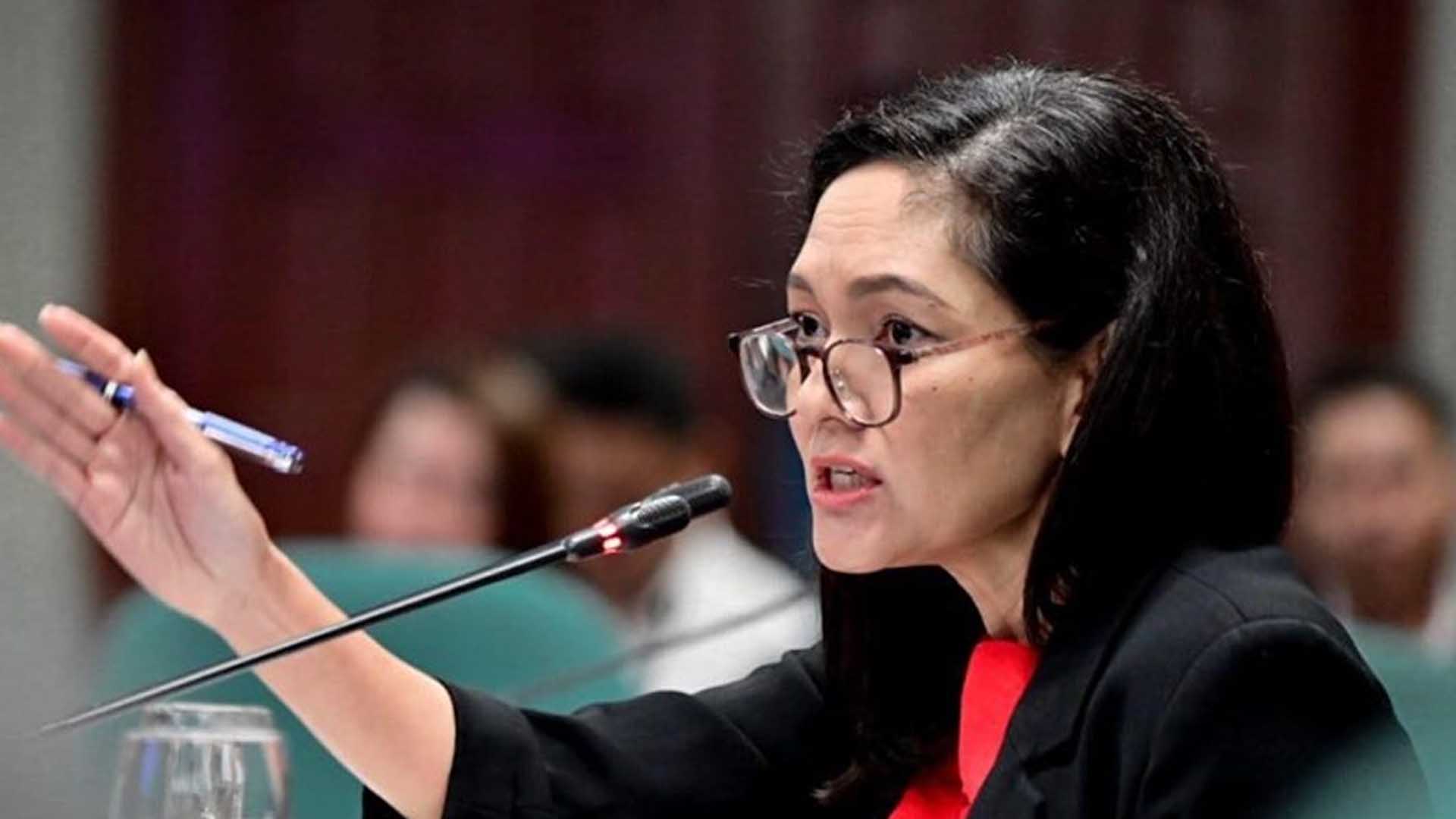






Akbayan Senator Risa Hontiveros has called on the Department of Health (DOH) to identify the pharmaceutical firms that are reportedly blocking the move to lower the price of medicines, particularly 120 drugs and medicines for common diseases and conditions like diabetes, heart disease, asthma, and different types of cancer.
During the plenary deliberation of the DOH’s budget for 2020 on Tuesday night, Hontiveros said that there is reportedly a strong lobby from several pharmaceutical companies opposing the proposed use of government’s regulatory powers under the Cheaper Medicines Act (RA 9502) to lower the “unfair and anti-poor” prices of much-needed medicines nationwide.
Hontiveros, who was also the co-author of the Cheaper Medicines Law when she was Akbayan Partylist Representative, said that if reports are true, the firms should be named and subsequently queried why they are opposing the initiative to lower the prices of medicines and why their medicines are more expensive than their international reference prices (IRP).
“Nanawagan ako sa DOH na pangalanan ang mga pharmaceutical companies na mas inuuna pa ang kanilang malalaking tubo at kita kaysa sa buhay at kalusugan ng mamamayan. Sa panahon na kaliwa’t kanan ang epidemiya at mga nagkakasakit, ang presyo ng gamot ay hindi dapat dagdag-pasakit,” Hontiveros said.
It was reported that an association of pharmaceutical companies dismissed the proposal to impose Maximum Drug Retail Prices (MDRP) on 120 medicines for various illnesses like hypertension, asthma, and diabetes as “contentious and counterproductive.” The companies said that they will talk to the DOH “so that government does not have to resort to price control.”
“While I welcome the willingness of pharmaceutical companies to work towards improving the country’s healthcare system, I would like to remind them that it is the exorbitant prices of medicines charged in both public and private sectors which has undermined the effective delivery of health services, to the detriment of poor and even middle-class families,” Hontiveros said.
Hontiveros said that the prices of medicines in the Philippines remain high and out of reach of the majority of Filipinos. She also explained that nearly half or 41 percent of healthcare spending in the Philippines is used to purchase pharmaceutical products, as compared to high-income countries (19.7 percent) and other low-income countries (30.4 percent).
A study commissioned by the DOH says that on average, the prices in the Philippines are still significantly higher than IRP. In the public sector, medicine prices are up to 4 times higher than IRP while in the private sector, they can go up to 22 times higher.


